Algeria
 Egypt
 Libya
 Morocco
 Sudan
 Tunisia
 Benin
 Burkina Faso
 Cabo Verde
 Côte d'Ivoire
 Ghana
 Guinea
 Guinea-Bissau
 Liberia
 Mali
 Mauritania
 Niger
 Nigeria
 Senegal
 Sierra Leone
 The Gambia
 Togo
 Cameroon
 Central African Republic
 Chad
 DR Congo
 Equatorial Guinea
 Gabon
 Republic of the Congo
 São Tomé and Príncipe
 Burundi
 Comoros
 Djibouti
 Eritrea
 Ethiopia
 Kenya
 Malawi
 Mauritius
 Mozambique
 Rwanda
 Seychelles
 Somalia
 South Sudan
 Tanzania
 Uganda
 Angola
 Botswana
 Eswatini
 Lesotho
 Namibia
 South Africa
 Zambia
 Zimbabwe
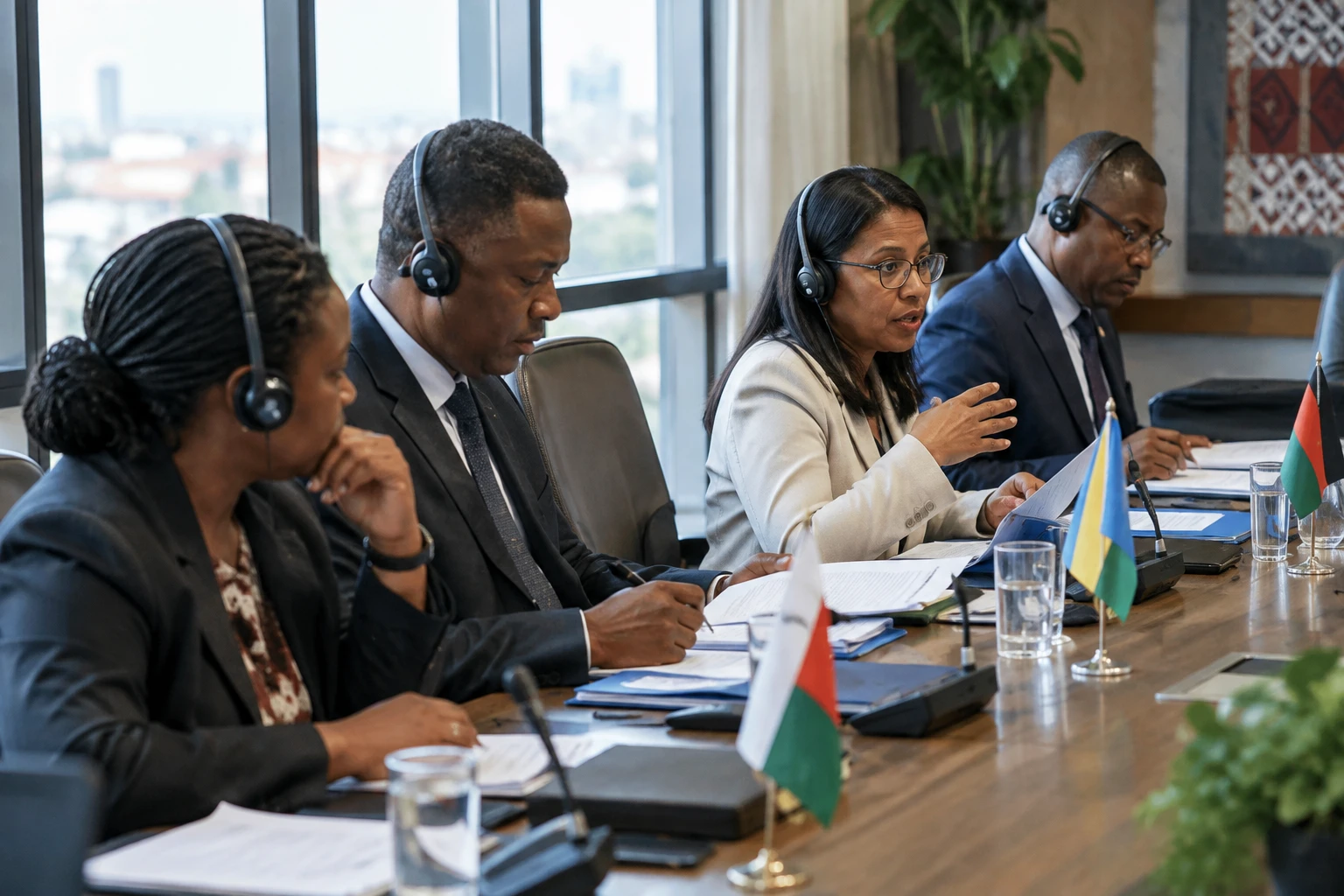
In Antananarivo, the 2027 budget involves far more than spending lines. It must balance the public services expected by the population, the cost of energy subsidies and the financial commitments made by the state. At the same time, the National Assembly is becoming a testing ground for the strength of the political balance established since 2025.
A budget under pressure from energy and essential services
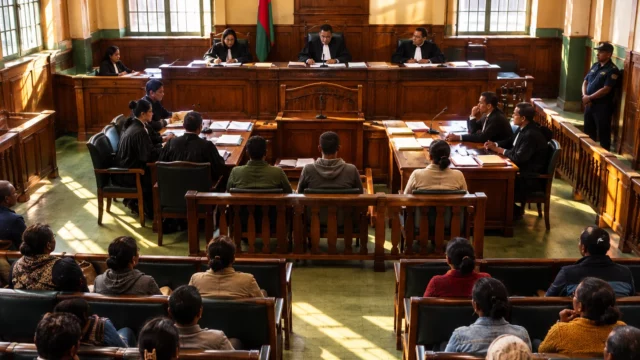
The second ordinary session of the year opened on 20 October 2026. The Speaker of the Assembly, Siteny Randrianasoloniaiko, put the 2027 finance bill at the centre of proceedings. The text still has to be finalised by the government, which has identified roads, water and electricity as priorities. The official announcement of the opening of the parliamentary session confirms that other bills could also be considered.
The debate comes a few weeks after an important financial decision. On 30 September, the International Monetary Fund (IMF) authorised a disbursement of about $155 million to Madagascar, following a review of its financing programmes. Madagascar’s Ministry of Economy and Finance confirmed the amount and the decision. The IMF is calling, among other things, for increased public revenue, improved tax and customs administration, and reform of national utility Jirama, which supplies water and electricity. The IMF statement and the Malagasy ministry’s communication corroborate the financing details.
Fuel is at the centre of some of the tensions. The IMF recommends fully restoring, by January 2027, the automatic mechanism for setting prices at the pump, which was suspended during the energy crisis. The system adjusts prices in line with costs rather than maintaining general subsidies over the long term. The Fund also recommends targeted measures to protect the most vulnerable households. The government and MPs will therefore have to specify how to cushion any increase, at a time when fuel affects transport and the costs of many activities.
Reforming Jirama involves another trade-off. Reducing the company’s losses could limit public transfers and improve the regularity of supply. But the effects are not the same for everyone: businesses depend on a continuous electricity supply, while households and small businesses bear the direct burden of outages and the costs of alternatives. Budget choices will therefore affect daily life, in cities and in the regions.
A still-fragile political transition
The session is taking place in an institutional landscape transformed since October 2025, when Andry Rajoelina left power and Michaël Randrianirina took the helm of the transition. Rivalries between the head of state and Siteny Randrianasoloniaiko have been reported in the Malagasy press, but claims about the intentions of the two officials must be distinguished from established facts. The parliamentary session and the budget debate alone are not enough to confirm a plan to replace the Speaker of the Assembly.
The Constitution does, however, provide for a procedure to remove members of the Assembly’s bureau: a “serious reason” must be established and a secret ballot must secure the support of two-thirds of MPs. This sets a high bar. It gives the debate an institutional dimension, since any attempt to change the leadership of the chamber would require formal justification and broad parliamentary support. The constitutional text available on the Assembly’s website sets out this mechanism.
MPs have also claimed that the power to dissolve the Assembly was mentioned as a way to secure the support of parliamentarians elected in 2024 under the banner of the ousted president. This allegation has not been independently confirmed by an official statement and must remain attributed. It nevertheless highlights a major issue: during a transition, the Parliament’s actual ability to scrutinise the executive matters as much as the texts defining its powers.
The political timetable adds weight to these debates. The transition is meant to lead to a return to constitutional order and new elections. In its decision of March 2026, the African Union called on the Malagasy authorities to respect the transition timetable and draw up an inclusive roadmap with clear deadlines. SADC, the regional organisation of which Madagascar is a member, has also called for a Malagasy-led national dialogue. The African Union decision and the SADC communiqué set out this regional demand.
The next decisions to watch
The draft budget will show how much room for manoeuvre the government has: what additional revenue, what investment and what safeguards against energy costs? Its examination will also show whether the Assembly can debate these choices without political disagreements taking over. Customs revenue, the path of subsidies and Jirama’s recovery will be concrete issues to watch.
For Malagasy people, the stakes will be measured in the services delivered and in how the costs of reforms are distributed. For regional and continental partners, they also concern the credibility of the transition timetable. In Antananarivo, the budget vote will therefore sit at the crossroads of two questions: how to fund public priorities, and how to preserve institutions capable of preparing for the next election.