
 Algeria
 Egypt
 Libya
 Morocco
 Sudan
 Tunisia
 Benin
 Burkina Faso
 Cabo Verde
 Côte d'Ivoire
 Ghana
 Guinea
 Guinea-Bissau
 Liberia
 Mali
 Mauritania
 Niger
 Nigeria
 Senegal
 Sierra Leone
 The Gambia
 Togo
 Cameroon
 Central African Republic
 Chad
 DR Congo
 Equatorial Guinea
 Gabon
 Republic of the Congo
 São Tomé and Príncipe
 Burundi
 Comoros
 Djibouti
 Eritrea
 Kenya
 Madagascar
 Malawi
 Mauritius
 Mozambique
 Rwanda
 Seychelles
 Somalia
 South Sudan
 Tanzania
 Uganda
 Angola
 Botswana
 Eswatini
 Lesotho
 Namibia
 South Africa
 Zambia
 Zimbabwe
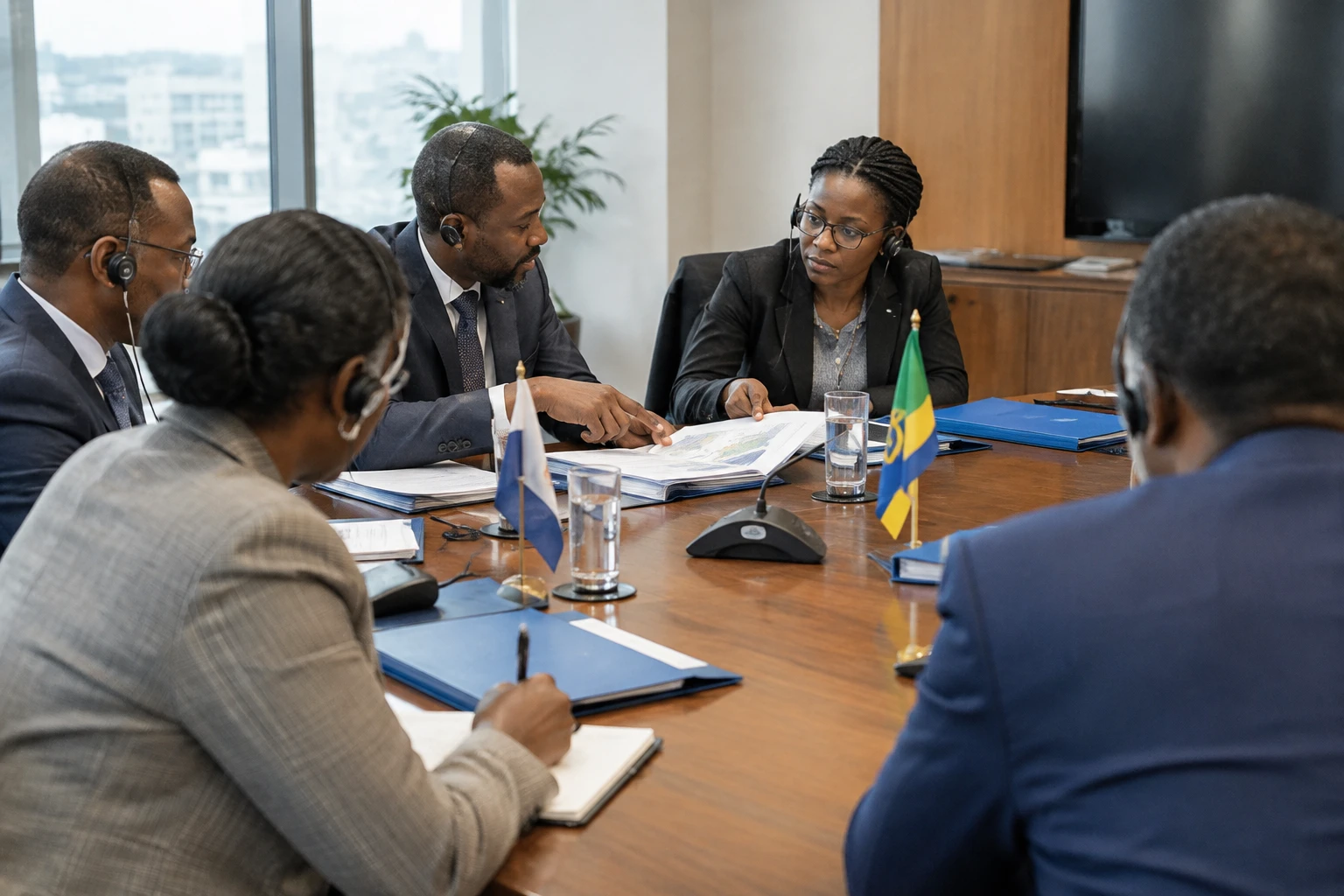
At the Nejo gold project in Ethiopia, the first drilling remains on hold pending authorisation. The delay is therefore not simply a matter of technical preparations: it also highlights the permitting, coordination between authorities and financing issues facing a small exploration company.
Project ready on paper, but still awaiting the green light
Askari Metals, an Australian company listed on the Australian Securities Exchange, announced on 19 October 2026 that new appointments in regional and federal administrations could help move its application forward. It did not, however, give a date for the start of work. These appointments reflect the company’s assessment; they do not confirm that an authorisation has been granted.
The Nejo project is in western Ethiopia, in the Oromia region. Askari says it acquired in 2025 the interests associated with three exploration permits held by Xingxu. The company says the permits remain valid until 23 March 2028. But the status of the licences and recognition of the transfer have been publicly challenged: the Oromia mining authority has called for their revocation and disputed Askari’s position.
This disagreement is central. In July 2025, the regional authority said the permits were under regulatory review and that Askari was not recognised as their holder. The company, for its part, maintained that the licences were valid. Publicly available information does not make it possible to present the dispute as definitively resolved. The company’s statements must therefore be distinguished from the position expressed by the regional administration.
Work prepared, subject to authorisation
Askari says it has collated and digitised historic exploration data, then checked some targets in the field. It has also prepared a programme of up to 5,000 metres of drilling. In June 2026, the company said it had an operator, a team and equipment in Ethiopia. These resources are not, however, enough to begin a campaign requiring authorisation for ground works.
The drilling is intended to test the continuity of mineralised zones and establish whether the indications identified extend at depth. This work could provide data needed for a future resource estimate. It does not, on its own, prove that an economically viable deposit exists. At this stage, Nejo remains an exploration project: its economic potential will depend on technical results, authorisations and development costs.
The administrative context matters as much as the geology. The application involves federal authorities and those of Oromia, which has regional powers. For a foreign company and its local partners, uncertainty over recognition of the titles can delay operations and complicate planning. For communities near the site, any potential benefits — jobs, local procurement or public revenue — also remain hypothetical until work begins.
Limited cash amid several projects
Financing adds another constraint. Askari raised about A$2.75 million in the final quarter of 2025. Its annual report says that, as at 30 June 2026, it held about A$256,000 in cash. It also lists quoted securities valued at nearly A$650,000, which could be sold, and a loan facility of up to A$500,000 provided by its director.
These amounts do not all represent cash immediately available: the securities must be sold, while the loan is potential funding. The company’s auditor has flagged a material uncertainty about its ability to continue as a going concern. This qualification does not mean the company will cease operations, but it underlines the execution risk: a delayed campaign may require new funding before its results are known.
Askari is also working on the Uis project in Namibia, where it announced in October that it had completed soil sampling targeting tin, lithium and tantalum, among other minerals. Operating in two countries offers several exploration prospects, but also spreads the financial and human resources of a junior miner. At Nejo, a revised timetable and funding actually secured will therefore be indicators as important as technical preparations.
A test for Ethiopia’s mining strategy
Ethiopia is seeking to attract investment in its mineral resources, particularly gold. But investor interest also depends on clear rules and predictable coordination between federal and regional administrations. The Nejo case is a reminder that an acquisition announcement or a company’s claim that a permit is valid cannot replace administrative clarification accepted by the parties concerned.
At regional level, Ethiopia is a member of the Intergovernmental Authority on Development (IGAD), a cooperation organisation in the Horn of Africa. The case does not fall directly under an IGAD decision, but it forms part of a broader competition to attract capital, expertise and mining investment to East Africa. Countries in the region have an interest in ensuring that projects combine legal certainty, transparent titles and tangible local benefits.
The next steps to watch are clear: the granting of authorisation for work, clarification of the status of the three permits, then the financing and actual start of drilling. Without these developments, Nejo will remain an exploration prospect. With them, the results can finally establish whether the gold indications warrant a further stage.
For information on the positions and publicly available data, see Askari Metals’ response on the status of the Nejo permits, information published on the Oromia mining authority’s challenge, Askari Metals’ 2026 annual report and an introduction to IGAD.



