Algeria
 Egypt
 Libya
 Morocco
 Sudan
 Tunisia
 Benin
 Burkina Faso
 Cabo Verde
 Côte d'Ivoire
 Ghana
 Guinea
 Guinea-Bissau
 Liberia
 Mali
 Mauritania
 Niger
 Nigeria
 Senegal
 Sierra Leone
 The Gambia
 Togo
 Cameroon
 Central African Republic
 Chad
 DR Congo
 Equatorial Guinea
 Gabon
 Republic of the Congo
 São Tomé and Príncipe
 Burundi
 Comoros
 Djibouti
 Eritrea
 Ethiopia
 Kenya
 Malawi
 Mauritius
 Mozambique
 Rwanda
 Seychelles
 Somalia
 South Sudan
 Tanzania
 Uganda
 Angola
 Botswana
 Eswatini
 Lesotho
 Namibia
 South Africa
 Zambia
 Zimbabwe
A referee waiting for their fees and fearing pressure cannot work in the same conditions as a colleague who is protected and paid on time. In Madagascar, members of the refereeing community say these difficulties have persisted for several seasons. Their warning highlights an issue that goes beyond their remuneration: trust in the organisation of competitions.
A warning that reaches football’s governing bodies
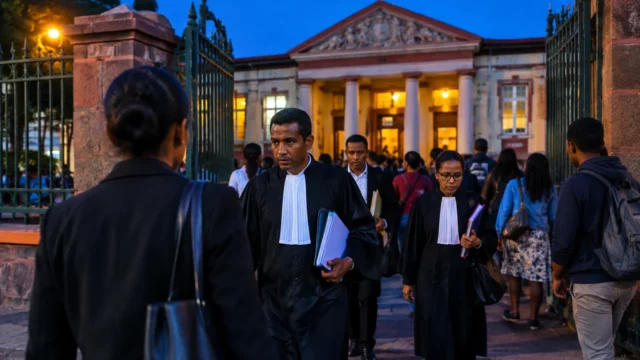
On 16 October 2026, at a press conference at Barea Mahamasina Stadium in Antananarivo, several referees set out their grievances against the Malagasy Football Federation (FMF). The following day, the Malagasy press reported on their action and the statement addressed to the presidents of FIFA and the Confederation of African Football (CAF).
The signatories allege that fees and other entitlements remain unpaid, and cite pressure and intimidation, as well as suspected conflicts of interest. They also question the neutrality of competition management and the handling of refereeing careers. These are the referees’ allegations; at this stage, they do not constitute the findings of an independent investigation.
Reports by Midi Madagasikara, Newsmada and TV5MONDE corroborate the main points made at the press conference: the existence of a statement, claims over unpaid fees and allegations of pressure. These reports do not cite the FMF as having responded point by point to the allegations.
Discontent with a precedent
The protest did not come without precedent. In November 2025, referees had already protested over unpaid fees during a second-division competition. Matches were disrupted, and the FMF moved fixtures to Antananarivo, according to Malagasy media. That reported episode alone does not establish the sums involved or the current state of payments. It does, however, show that relations between some referees and the federation were already strained.
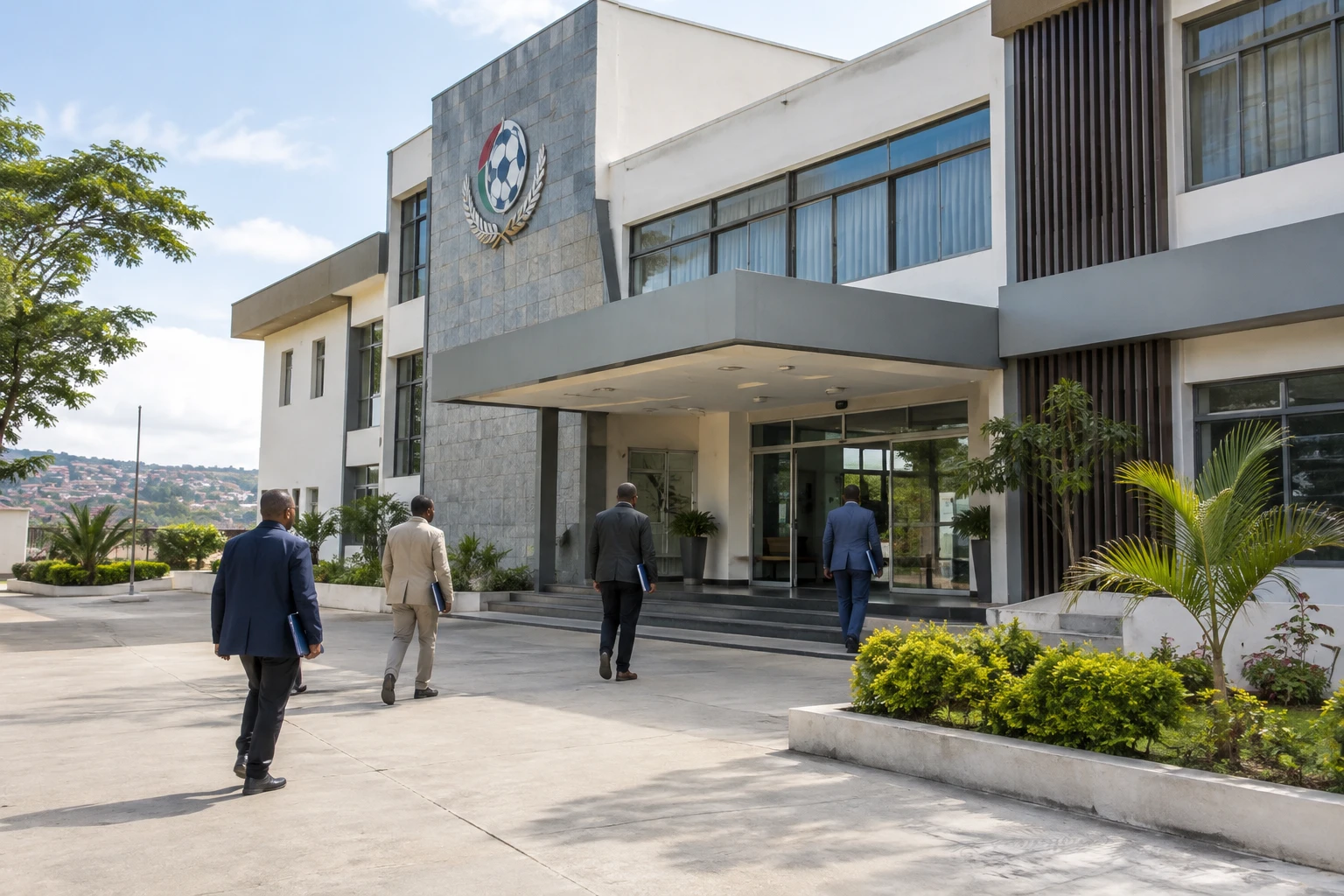
The FMF organises referees through its Central Referees Committee, its refereeing department, and regional and local structures. This organisation, described by the Malagasy Football Federation, places the management of appointments and careers within the federation. Referees alleging conflicts of interest are therefore calling for guarantees about how these responsibilities are exercised.
The national context also matters. Malagasy football is built around competitions that bring together clubs, leagues and audiences far beyond the capital. If officials do not turn up, or their impartiality is publicly questioned, the effects are felt first by matches, clubs and players. Delays and relocations can also complicate teams’ arrangements and costs, particularly for those travelling from the regions.
The credibility of competitions at stake
Refereeing alone cannot guarantee trust in a league. But it is one of its essential components. Regular payments and clear procedures help protect referees’ independence. Conversely, allegations of pressure, even when disputed, can fuel suspicions about decisions on the pitch and undermine the legitimacy of results.
The interests at stake differ. Referees are seeking payment of their entitlements and protection of their autonomy. The federation must ensure competitions continue and respond to the allegations. Clubs need a stable fixture schedule and rules applied consistently. For supporters, the immediate concern is being able to follow a competition whose results are not overshadowed by institutional disputes.
The situation thus confronts the FMF with a concrete governance question: can it establish the facts, explain the contested decisions and provide a credible appeals mechanism? The published material does not make it possible to resolve the allegations. A documented response, together with verifiable information on the payment of fees, would help distinguish substantiated grievances from allegations that remain disputed.
A regional issue beyond Madagascar
Madagascar is part of the sporting landscape of southern Africa and competes in tournaments organised under the aegis of CAF, the body that governs continental football. Difficulties within a national federation are first and foremost its responsibility. But a prolonged crisis can affect teams’ preparations and the smooth running of regional or continental competitions in which they take part.
By approaching FIFA and CAF, the referees are seeking to take the dispute beyond the federation alone. Their action does not mean that these bodies have opened an investigation or taken a decision. The next indicator will be the FMF’s response, followed, if applicable, by that of the bodies approached. For now, the case concerns specific claims, but what follows remains to be established.