Algeria
 Egypt
 Libya
 Morocco
 Sudan
 Tunisia
 Benin
 Burkina Faso
 Cabo Verde
 Côte d'Ivoire
 Ghana
 Guinea
 Guinea-Bissau
 Liberia
 Mali
 Mauritania
 Niger
 Nigeria
 Senegal
 Sierra Leone
 The Gambia
 Togo
 Cameroon
 Central African Republic
 Chad
 DR Congo
 Equatorial Guinea
 Gabon
 Republic of the Congo
 São Tomé and Príncipe
 Burundi
 Comoros
 Djibouti
 Eritrea
 Ethiopia
 Kenya
 Madagascar
 Malawi
 Mauritius
 Mozambique
 Rwanda
 Seychelles
 Somalia
 South Sudan
 Tanzania
 Uganda
 Angola
 Botswana
 Eswatini
 Lesotho
 Namibia
 Zambia
 Zimbabwe
As South Africa’s municipal elections approach, Jacob Zuma’s health is attracting attention beyond his personal circumstances. The uMkhonto weSizwe (MK) Party leader remains a central figure in the campaign, as voters prepare to choose their local councils on 4 November 2026.
Hospitalisation reported, accounts differ
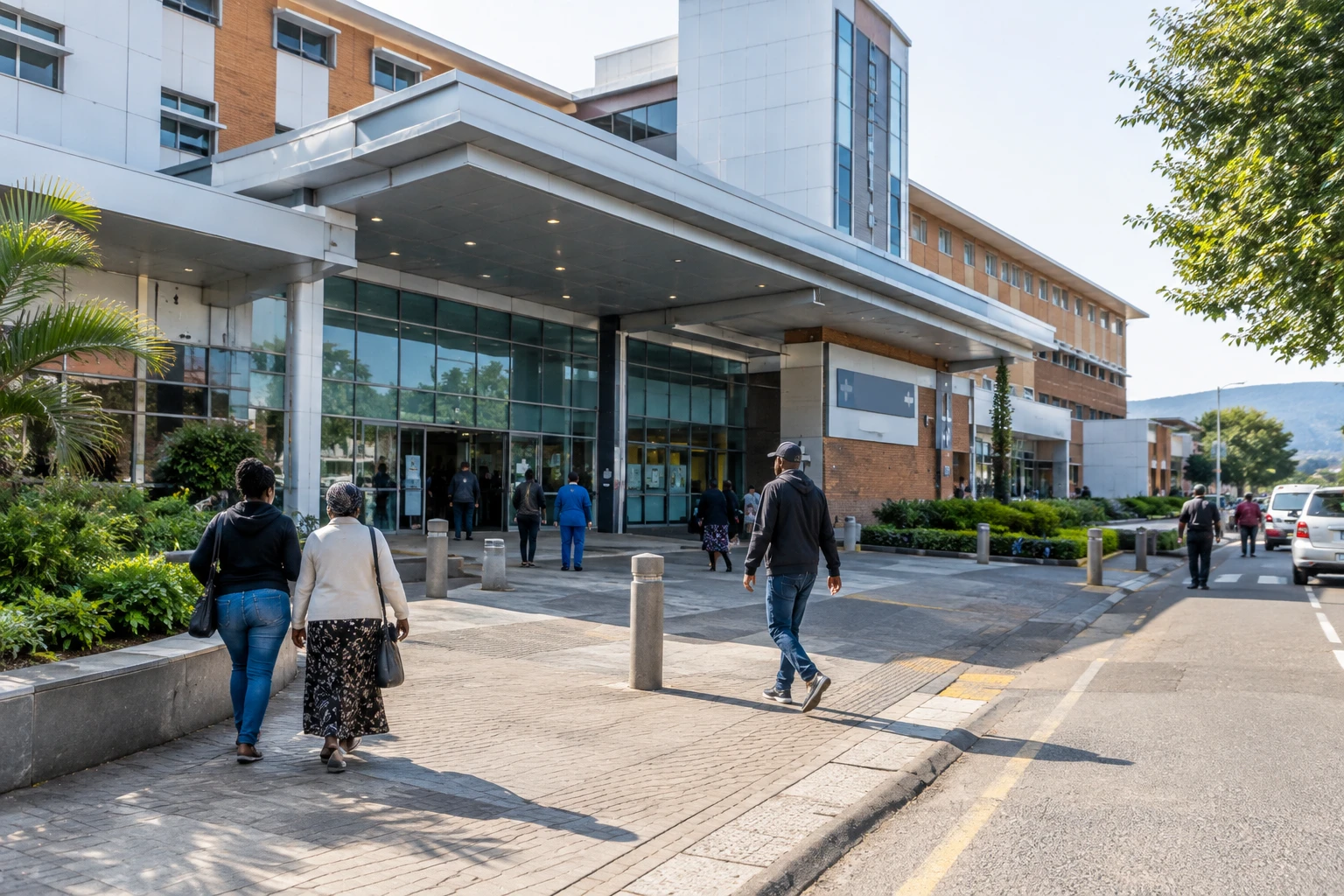
Jacob Zuma was taken by ambulance to a healthcare facility in Pietermaritzburg, in KwaZulu-Natal province, according to several South African media outlets. The MK Party described his visit as a routine medical check-up. The party says Zuma is in good health and good spirits.
Regional daily The Witness reported on 9 October, however, that he was still at a private hospital in Pietermaritzburg. The newspaper also reported discussions about a possible transfer to a military hospital in Pretoria. These details have not been publicly confirmed by an independent medical bulletin. The information available therefore does not make it possible to establish his precise state of health or how long he will be in hospital.
The MK Party has not provided a detailed diagnosis. It said its leader was undergoing periodic tests, while media reports have referred to a medical episode during a political trip in KwaZulu-Natal. These accounts must remain attributed to their sources: no verifiable medical information is available to resolve the discrepancy.
Municipal elections under intense political pressure
The episode comes just weeks before the municipal elections, scheduled for 4 November 2026. The vote will determine the make-up of councils responsible for services including water, electricity and waste, as well as local planning. For residents, municipal decisions have everyday consequences, far beyond rivalries among national leaders.
The MK Party, founded by Zuma after his break with the African National Congress (ANC), is approaching its first major municipal contest since the 2024 national and provincial elections. Its ability to mobilise supporters in KwaZulu-Natal, its political stronghold, will be closely watched. But local results also depend on candidates, alliances and issues specific to each municipality.
The 2024 elections had already reshaped national politics. The ANC lost its outright majority in Parliament, leading to the formation of a government of national unity under President Cyril Ramaphosa. The MK Party won substantial representation in Parliament and challenged the election results. The municipal vote will now test its foothold in neighbourhoods and towns.
Zuma’s role in the campaign
Jacob Zuma, a former president of South Africa, remains the MK Party’s leading figure. His presence at rallies can raise the movement’s profile and mobilise loyal voters. A prolonged absence could complicate the campaign, though it would not, on its own, determine the party’s performance.
The challenge is also organisational. MK Party officials need to campaign across municipalities and set out proposals on local public services. In urban centres, voters may pay particular attention to transport, housing and jobs. In rural areas, access to services, infrastructure and local government also remains crucial. Priorities therefore vary from one province to another.
The situation highlights the highly personalised nature of South African politics, but the election cannot be reduced to the health of a single leader. Municipal councils, the administration and local networks continue to operate regardless of whether a party leader attends an event. The central question will be whether the MK Party can turn its national profile into a lasting local presence.
A signal watched beyond the country’s borders
Across Southern Africa, South Africa’s institutional stability matters to its partners in the Southern African Development Community (SADC), the regional organisation that coordinates, among other things, political and economic co-operation. Municipal elections do not directly determine the country’s foreign policy, but they measure voters’ confidence in political parties and public administration.
For the African Union, the vote will provide another measure of multiparty competition in one of the continent’s largest economies. The campaign must now continue while information about Zuma’s health remains limited and at times contradictory. In the short term, the main points to watch will be whether the former president attends upcoming rallies and whether his party can maintain its grassroots organisation.
The election date, 4 November, has been confirmed by the South African authorities. However, no independent public medical information currently makes it possible to say when Zuma will leave hospital or whether he will take part in upcoming campaign events.