Algeria
 Egypt
 Libya
 Morocco
 Sudan
 Tunisia
 Benin
 Burkina Faso
 Cabo Verde
 Côte d'Ivoire
 Ghana
 Guinea
 Guinea-Bissau
 Liberia
 Mali
 Mauritania
 Niger
 Senegal
 Sierra Leone
 The Gambia
 Togo
 Cameroon
 Central African Republic
 Chad
 DR Congo
 Equatorial Guinea
 Gabon
 Republic of the Congo
 São Tomé and Príncipe
 Burundi
 Comoros
 Djibouti
 Eritrea
 Ethiopia
 Kenya
 Madagascar
 Malawi
 Mauritius
 Mozambique
 Rwanda
 Seychelles
 Somalia
 South Sudan
 Tanzania
 Uganda
 Angola
 Botswana
 Eswatini
 Lesotho
 Namibia
 South Africa
 Zambia
 Zimbabwe
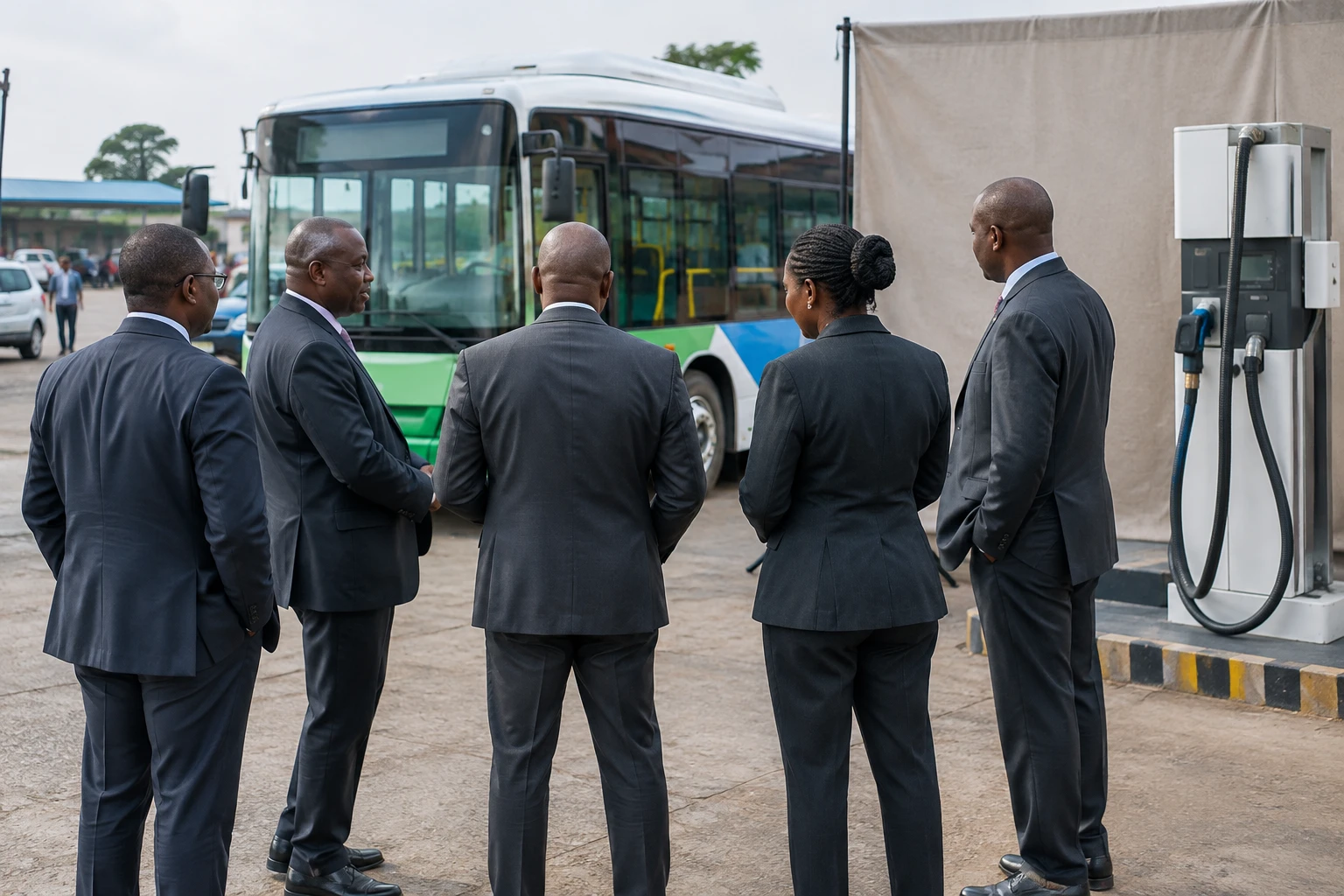
In Abuja and Lagos, the question is no longer simply whether compressed natural gas can power vehicles. The test now is whether its lower cost is actually translating into cheaper journeys for Nigerians.
1 October 2026 was the target date set by President Bola Tinubu for passengers to start benefiting from fare reductions. A week after that deadline, the challenge remains one of implementation on the ground: converted vehicles, available stations and decisions by state governments must all move together.
A transition already under way, but uneven
Nigeria is betting on compressed natural gas (CNG), a gas stored under pressure and used as fuel, to reduce transport’s dependence on petrol and diesel. This approach is part of the energy overhaul launched after the federal petrol subsidy was removed in 2023, making travel more expensive for many households and operators.
The presidential conversion programme has already expanded significantly. In a statement on 28 August, the federal initiative focused on CNG and electric vehicles reported that more than 120,000 vehicles had been converted, with more than 100,000 additional kits in preparation. The president repeated the conversion figure in his message of 19 September. These official figures measure vehicle conversions, however, not the number of journeys or the savings actually passed on to passengers.
In Lagos, one decision illustrates how state governments can act on their transport networks. Since the start of 2026, the metropolitan transport authority, LAMATA, has no longer accepted new diesel buses into its regulated network. Existing vehicles are to be gradually replaced with CNG or electric buses.
A proposed requirement, not yet a rule
On 5 October, in an interview broadcast by Arise News, Ismaeel Ahmed, chairman of the federal initiative, called for commercial vehicles to switch from petrol and diesel to gas or electricity. This is a policy proposal, not a measure that has already been adopted. Its implementation would raise questions about financing, timelines and the availability of alternative fuels.
The size of the vehicle fleet involved gives a sense of the challenge. Ahmed estimates that Nigeria has about 12 million vehicles, 55 to 60% of them commercial. This estimate is attributed to him; it has not been confirmed by an independent count in the public information reviewed. Taxis, minibuses, buses and delivery vehicles are nonetheless essential to urban mobility and the movement of goods.
The programme also has an immediate cost-of-living objective. On 27 August, Tinubu and the governors of the 36 states agreed to seek to reduce fares, particularly for transport within states. An implementation committee, under the auspices of the Nigeria Governors’ Forum and chaired by Kwara Governor AbdulRahman AbdulRazaq, is to co-ordinate action. State governments have significant influence over local services, while the federal government funds and promotes the energy industry.
The weak link: refuelling and passengers’ bills
Converting a vehicle is not enough if it cannot refuel nearby. At the end of August, the federal initiative counted 15 main stations and 86 secondary stations backed by the Midstream and Downstream Gas Infrastructure Fund. The government plans to expand the network, but the rollout will take time and will need to serve major routes as well as smaller cities.
Figures for the number of available stations vary according to the announcements and their dates. On 6 October, Ahmed put the number in operation at 96, while figures published by the government initiative say there are more than 90. These numbers indicate growth, but on their own they do not show volumes distributed, opening hours, queues or coverage of rural areas.
In Abuja, users reported queues and supply difficulties this summer. A user forum blamed the availability of gas transport trucks. This local warning highlights a tangible risk: if supply does not keep pace, converted vehicles may lose operating time, reducing the promised cost advantage for drivers and passengers alike.
The other test is whether savings are passed on. Lower fuel costs for an operator do not automatically guarantee a lower fare. State governments, local authorities, unions and transport operators need to agree on fares, while taking account of maintenance, conversion costs and vehicle financing. For informal workers, whose incomes depend on daily trips, prolonged downtime or expensive credit can make the transition unaffordable.
Federalism at the heart of the rollout
A national requirement covering all commercial vehicles would also have to take account of the division of powers. Transport within states largely falls under state authorities, while the federal government can steer investment, standards and national programmes. A uniform requirement, without agreement from governors and local operators, would therefore be difficult to enforce.
The issue extends beyond Nigeria’s borders. West Africa’s largest economy and a member of ECOWAS, Nigeria is seeking to make use of its gas in the domestic market while limiting transport’s exposure to oil price fluctuations. If the refuelling network expands and passengers benefit from the savings, the model could inform regional debates on fuels and mobility. But the 1 October deadline is a reminder that announcements are ultimately judged by the fares passengers actually pay, state by state.
Sources for cross-checking: statement by the Nigerian presidency on the CNG transport programme, statement by the national CNG and electric vehicle initiative, report on Ismaeel Ahmed’s interview, figures on CNG conversions and stations, LAMATA measures in Lagos and agreement between the president and governors.