Algeria
 Egypt
 Libya
 Morocco
 Sudan
 Benin
 Burkina Faso
 Cabo Verde
 Côte d'Ivoire
 Ghana
 Guinea
 Guinea-Bissau
 Liberia
 Mali
 Mauritania
 Niger
 Nigeria
 Senegal
 Sierra Leone
 The Gambia
 Togo
 Cameroon
 Central African Republic
 Chad
 DR Congo
 Equatorial Guinea
 Gabon
 Republic of the Congo
 São Tomé and Príncipe
 Burundi
 Comoros
 Djibouti
 Eritrea
 Ethiopia
 Kenya
 Madagascar
 Malawi
 Mauritius
 Mozambique
 Rwanda
 Seychelles
 Somalia
 South Sudan
 Tanzania
 Uganda
 Angola
 Botswana
 Eswatini
 Lesotho
 Namibia
 South Africa
 Zambia
 Zimbabwe
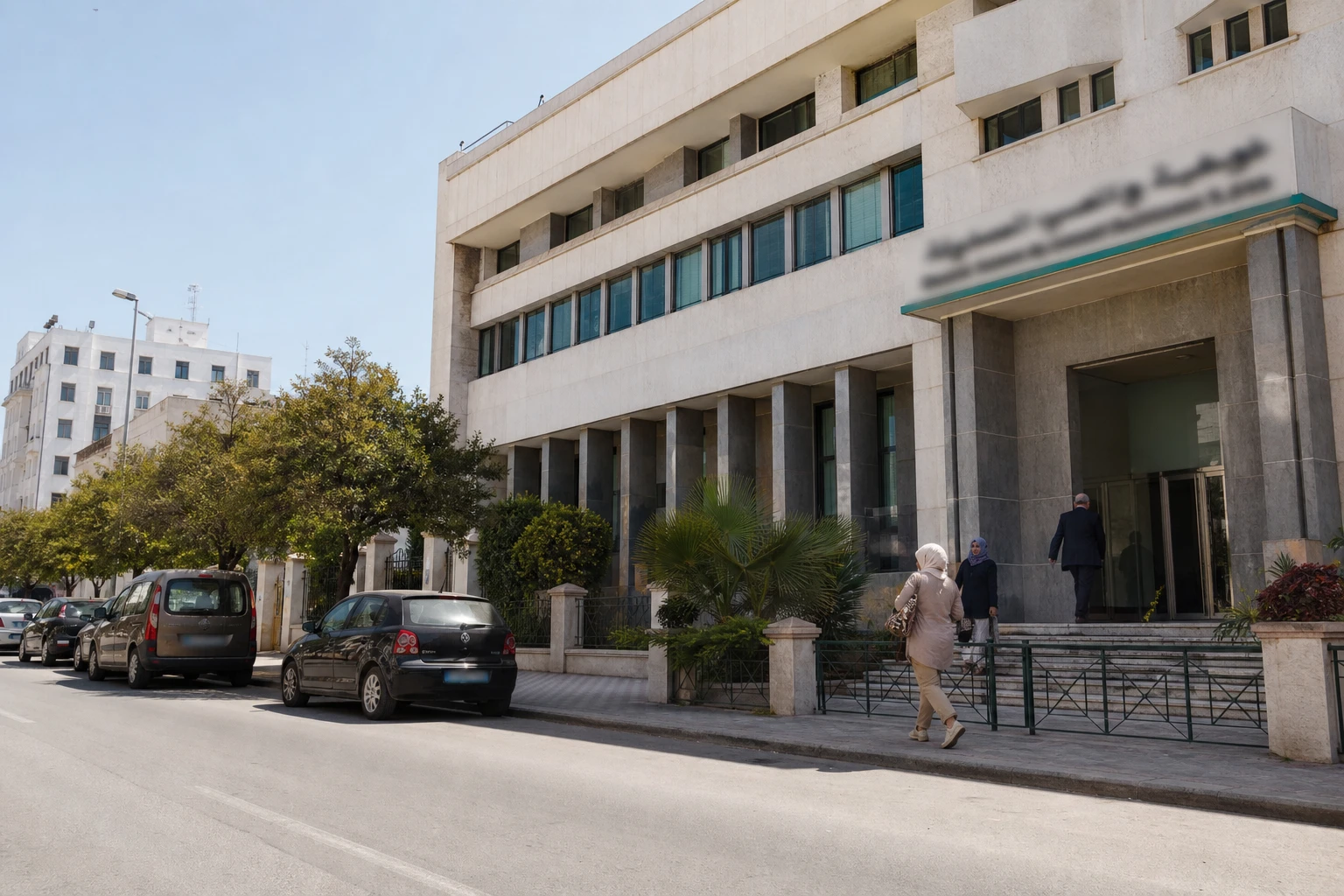
In Tunis and across the regions, the cost of the food basket is rising faster than overall inflation. In September 2026, the pressure was concentrated on fresh produce, as Tunisia sought to secure agricultural production despite water shortages and limited financial resources.
Fresh produce drives prices higher
Annual inflation reached 5.6% in September 2026, up from 5.4% in August, according to data published on 5 October by the National Institute of Statistics (INS). The overall increase therefore remains moderate, but masks a much sharper rise in food prices.
Prices in the “food and beverages” group rose by 8.4% year on year, compared with 7.5% in August. The acceleration was therefore 0.9 percentage points in one month.
The largest increases were for poultry, whose prices rose by 16.5%. Fresh fruit followed at 16.3%. Mutton was up 14.6%, ahead of beef at 13%, fresh vegetables at 12.9% and fresh fish at 10.4%.
This trend directly affects households’ day-to-day spending. It weighs particularly heavily on families that devote a large share of their income to food. In rural areas, it also affects producers when higher selling prices fail to offset increases in the cost of animal feed, energy, transport or inputs.
Edible oils, however, moved in the opposite direction. Their prices fell by 4.1% year on year. This decline is not enough to offset the rising cost of fresh produce, which features more prominently in daily purchases and is more exposed to fluctuations in supply.
Inflation extends beyond food
September’s trend was not confined to food markets. Clothing and footwear prices rose by 9.2%, compared with 9% in August. Education prices increased by 5.5%, after rising 5.4% a month earlier.
On a monthly basis, the overall price index rose by 0.8%. Food and beverages recorded an increase of 2.1%. Fresh vegetables rose by 6.9%, eggs by 6.1%, poultry by 5.7% and fresh fruit by 2.4%.
The start of the school year also added to pressure on household budgets. Education service prices rose by 3.9% between August and September. This was due in particular to higher fees for private education, tutoring and school supplies.
The INS also reported that core inflation, which excludes food and energy products, remained stable at 4.9%. Unregulated food products rose by 9.4%, while those with regulated prices increased by 0.2%.
This gap highlights a central challenge for the Tunisian authorities. Price controls or regulation can limit some increases, but do not resolve supply difficulties, production costs or pressure on distribution channels.
Water and financing at the heart of the agricultural response
Agriculture remains an important sector for Tunisia’s economy and employment. However, it is still vulnerable to water shortages, droughts and financing constraints. These factors reduce yields and make food supplies more susceptible to climate fluctuations.
The 2025-2026 cereal season illustrates the effort to strengthen domestic production. The National Agricultural Bank (BNA) has set aside 140 million Tunisian dinars to finance about 4,700 farmers. This is more than the 120 million dinars allocated for the previous season, which was intended to support around 4,000 farmers.
The financing is intended in particular to support the different stages of the cereal supply chain. It should make it easier to access production resources and support farmers in a sector that is strategic for Tunisia’s food security.
The challenge, however, is not limited to the volume of loans. Water availability, seed quality, access to fertilisers, storage and transport also determine supply levels. Increased financing can support the season, but cannot by itself offset a lasting water deficit.
The situation also varies between regions. Producers in the north-west, more closely associated with large-scale crops, face different constraints from farms in the Centre or South, where access to water and logistics costs can weigh more heavily. In cities, price rises are transmitted mainly through markets and shops. In the countryside, they affect both production and consumption.
Central bank maintains a cautious stance
In response to rising prices, the Central Bank of Tunisia (BCT) kept its key interest rate at 7% at its meeting on 29 July 2026. The policy rate influences the cost of borrowing and is one of the main instruments of monetary policy.
The decision reflects a cautious approach. The BCT is seeking to continue disinflation while taking account of the risk of further price pressures. Monetary easing could support economic financing, but could also stimulate demand or intensify pressure on imports. Conversely, high rates can make credit more expensive for businesses and farmers.
Monetary policy must therefore balance two sometimes conflicting priorities: curbing inflation and sustaining economic activity. For households, the immediate issue is purchasing power. For producers, it is access to financing and the ability to invest ahead of the next harvest.
A Tunisian challenge shaped by Maghreb dynamics
Rising food prices in Tunisia are part of a broader question for North Africa: how can production be increased while managing water scarcity and dependence on certain external supplies? Tunisia shares this challenge with several countries in the Arab Maghreb Union (AMU), a regional bloc that includes Tunisia, Algeria, Morocco, Libya and Mauritania.
The response will depend as much on national policies as on the ability to improve regional trade, storage chains and the movement of goods. It will also depend on monitoring upcoming harvests, changes in animal feed prices and cereal availability.
In the short term, October’s figures will show whether the food-price acceleration seen in September continues. In the medium term, the question is more structural: can Tunisia strengthen its agricultural supply without increasing pressure on its water resources and public finances?