
 Algeria
 Egypt
 Libya
 Morocco
 Sudan
 Tunisia
 Benin
 Burkina Faso
 Cabo Verde
 Côte d'Ivoire
 Ghana
 Guinea
 Guinea-Bissau
 Liberia
 Mali
 Mauritania
 Niger
 Nigeria
 Sierra Leone
 The Gambia
 Togo
 Cameroon
 Central African Republic
 Chad
 DR Congo
 Equatorial Guinea
 Gabon
 Republic of the Congo
 São Tomé and Príncipe
 Burundi
 Comoros
 Djibouti
 Eritrea
 Ethiopia
 Kenya
 Madagascar
 Malawi
 Mauritius
 Mozambique
 Rwanda
 Seychelles
 Somalia
 South Sudan
 Tanzania
 Uganda
 Angola
 Botswana
 Eswatini
 Lesotho
 Namibia
 South Africa
 Zambia
 Zimbabwe
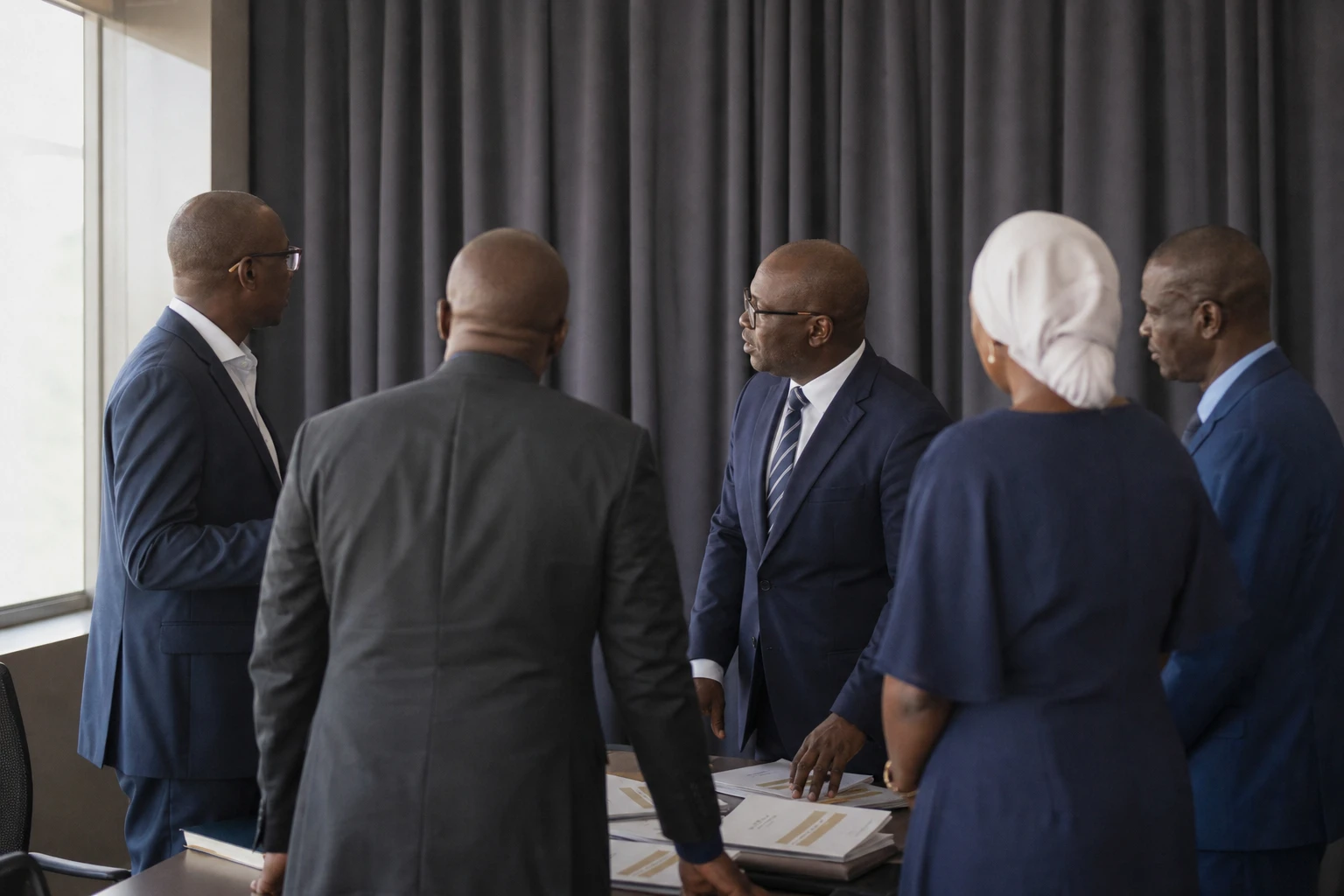
In Dakar, the question is no longer simply how to stage a successful international competition. It is now what the Youth Olympic Games will leave for young Senegalese people after 13 November 2026. For Youth and Sports Minister Djirèye Clotilde Coly, the event must be seen as a long-term investment, not a sporting interlude.
An unprecedented event for Senegal and Africa
The Youth Olympic Games, often known as the YOG, will bring together about 2,700 athletes aged 15 to 18. They will take place from 31 October to 13 November 2026 in three host areas: Dakar, Diamniadio and Saly. The programme includes competitions in 35 disciplines, with events spread across the capital, the urban centre of Diamniadio and the seaside resort of Saly.
This edition will mark a historic first. No Olympic event has ever been held on the African continent. Senegal will host delegations from several regions of the world while showcasing its own sporting, cultural and organisational expertise.
The schedule has been confirmed by the official Dakar 2026 website and several national Olympic committees. The International Olympic Committee, for its part, has said preparations have entered their final phase. The Games’ flame arrived in Dakar on 12 September 2026, ahead of a tour of Senegal’s 14 regions.
The tour is not merely ceremonial. It aims to take the YOG beyond the confines of the capital. For Senegalese authorities, the challenge is to foster national ownership in a country where sports facilities and opportunities remain unevenly distributed between Dakar, secondary cities and rural areas.
From competition to legacy
Djirèye Clotilde Coly, appointed Youth and Sports Minister on 1 June 2026, is taking charge of the issue just weeks before the opening. Her background in finance and public administration puts monitoring, oversight and continuity at the heart of her mission.
In her view, the Games’ legacy cannot be limited to new infrastructure or a successful ceremony. It must also encompass participation in sport, training, youth employment, support for federations and girls’ access to facilities. This approach echoes the priorities announced by the ministry at the handover ceremony, around young people, employment, infrastructure and preparations for major international events.
The government and the organising committee launched the “Dundal YOG” campaign in September, presenting it as a national mobilisation programme. The initiative brings together several ministries, local authorities, the sporting movement and private partners. It is intended, in particular, to use the Games to promote sport, culture and improvements to living conditions.
The choice of venues reflects this intention to distribute functions. Dakar will host the most high-profile events and several competitions. Diamniadio is expected to strengthen its role as a new urban and administrative centre. Saly will add a coastal and tourism dimension. This arrangement could help diversify the benefits, provided the facilities remain accessible to local people after the Games.
A test for youth policy
Senegal often presents sport as a tool for social cohesion. The YOG will show whether this ambition is backed by practical measures. Clubs, schools, associations and local authorities must be able to use the facilities without access costs becoming an obstacle.
Preparing Senegalese athletes is another challenge. According to the Senegalese Press Agency, one billion CFA francs was allocated in the 2025 and 2026 budgets to support their preparation. That amount will have to be assessed against sporting results, as well as the quality of medical, educational and psychological support for the young participants.
The YOG involve minors, so their protection must remain a central concern. This requires appropriate supervision, the prevention of violence, protection from abuse and attention to mental health. In this context, an action plan on gender provides for around 50 measures. It addresses girls’ access to facilities, their presence in leadership roles and sport-related professions, and the prevention of violence.
This matters for young Senegalese women, who are often less represented in certain disciplines and in leadership bodies. It also matters for areas far from Dakar, where a lack of facilities and supervision limits the continuity of sporting activities.
A showcase, but also a regional responsibility
Senegal is hosting the Games in a West African region where expectations around young people are high. The Economic Community of West African States (ECOWAS) continues to face challenges related to mobility, employment and regional cohesion. Sport can provide a space for exchange and connection, even if it does not directly resolve political or economic tensions.
The presence of delegations from several continents will also give Senegal an opportunity to strengthen its ties with African federations. The YOG can serve as a testing ground for coaches, referees, volunteers, organisers and sports health professionals. This learning could benefit other countries on the continent, particularly in staging multi-sport competitions and training young talent.
Success, however, will not be measured solely by the number of medals or the quality of images broadcast abroad. It will depend on the authorities’ ability to publish a clear account of spending, the future use of infrastructure and the public’s access to new facilities.
The first Olympic event held in Africa therefore places Dakar under a double obligation. Senegal must welcome the world professionally. It must also show that this international profile can strengthen its own youth policies. The Games will open on 31 October. Their real assessment will begin on 14 November.



