Algeria
 Egypt
 Libya
 Morocco
 Sudan
 Tunisia
 Benin
 Burkina Faso
 Cabo Verde
 Côte d'Ivoire
 Ghana
 Guinea
 Guinea-Bissau
 Liberia
 Mali
 Mauritania
 Niger
 Nigeria
 Senegal
 Sierra Leone
 The Gambia
 Togo
 Cameroon
 Central African Republic
 Chad
 DR Congo
 Equatorial Guinea
 Gabon
 Republic of the Congo
 São Tomé and Príncipe
 Burundi
 Comoros
 Djibouti
 Eritrea
 Ethiopia
 Kenya
 Madagascar
 Malawi
 Mauritius
 Rwanda
 Seychelles
 Somalia
 South Sudan
 Tanzania
 Uganda
 Angola
 Botswana
 Eswatini
 Lesotho
 Namibia
 South Africa
 Zambia
 Zimbabwe
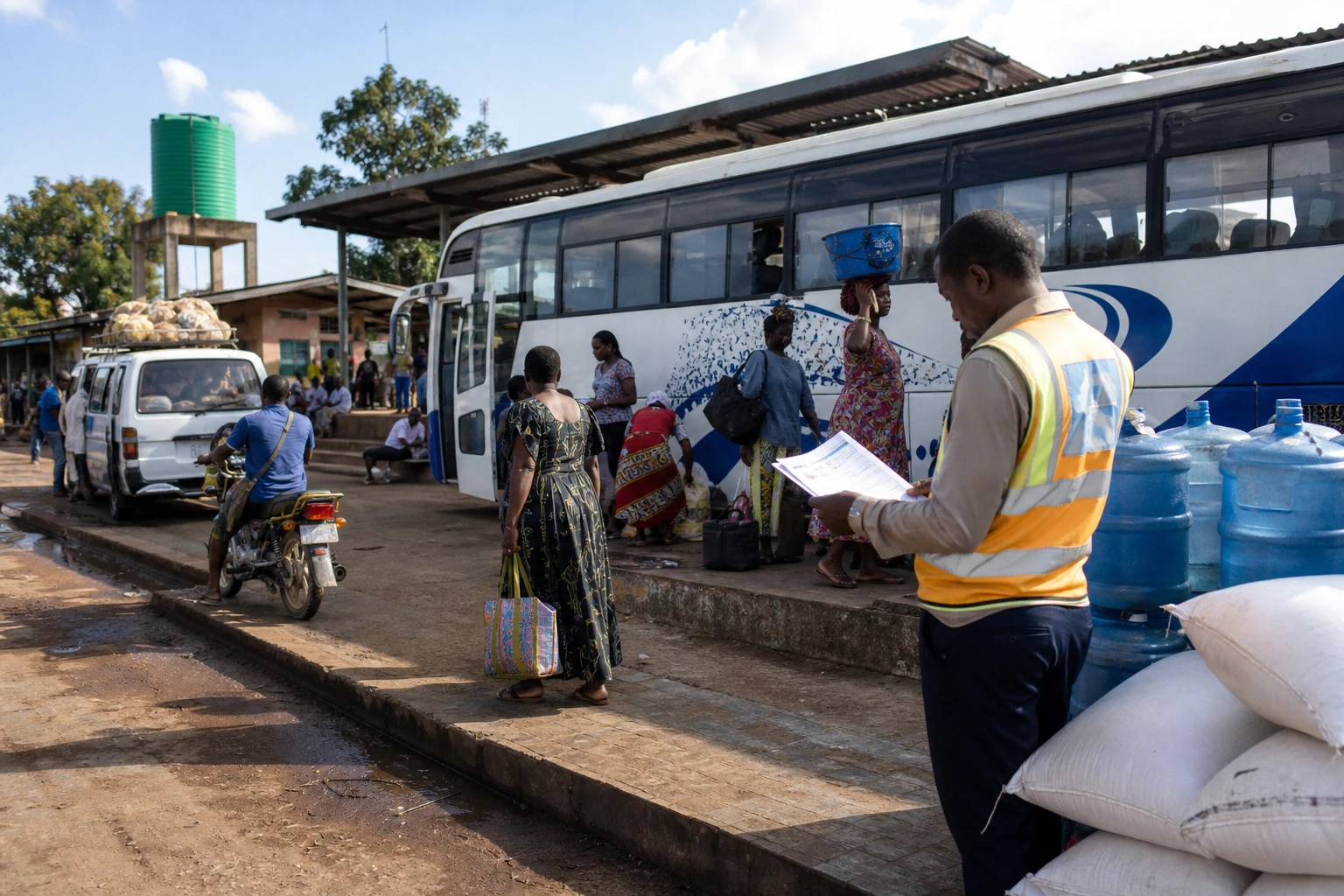
In Mozambique, the next rainy season could bring two risks at once: water shortages in the centre and south, followed by intense rainfall and flooding in the north. This situation complicates preparations for farmers, authorities and humanitarian organisations.
Forecasts available for the 2026-2027 season point to an especially strong El Niño episode. This climate phenomenon, linked to the abnormal warming of surface waters in the equatorial Pacific, alters rainfall patterns thousands of kilometres from where it originates.
Climate risks vary between provinces
United Nations agencies and their partners expect drier conditions in several areas of central and southern Mozambique. The provinces of Gaza, Inhambane, Maputo, Tete and Sofala could face reduced rainfall, with direct effects on crops, pasture and water reserves.
At the same time, the north of the country remains exposed to heavy rain, floods and tropical cyclones. El Niño does not therefore have a uniform effect. It can intensify drought in one region and heighten flood risks in another.
This geographical reality is essential to understanding the situation in Mozambique. The country stretches for more than 2,000 kilometres along the Indian Ocean. Its river basins, coastal plains and agricultural areas do not respond in the same way to climate anomalies.
The United Nations in Mozambique says forecasts point to a potentially record-breaking episode during the 2026-2027 season. The FAO and the World Food Programme have therefore brought their partners together in Maputo to strengthen anticipatory measures ahead of the expected peak in impacts.
These measures involve taking action before disaster strikes. They can include distributing adapted seeds, protecting livestock, pre-positioning stocks, improving weather alerts and providing financial assistance to the most exposed households.
Communities already under strain
Mozambique is facing this new alert after several difficult climate events. The country has experienced El Niño-related droughts, as well as extreme rainfall, floods and deadly cyclones in recent years.
In January 2026, floods affected more than half a million people in several provinces, including Gaza. Some families had not yet repaired their homes, rebuilt their herds or resumed their farming activities when new climate alerts began to take shape.
The succession of shocks reduces households’ ability to recover. A dry period can cut harvests and incomes. A subsequent flood can destroy seedlings, contaminate water points and cut roads linking markets to rural areas.
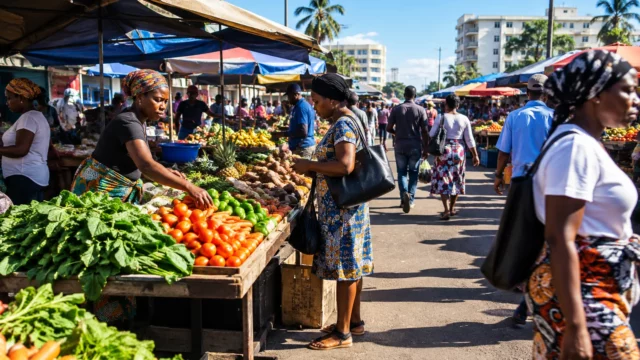
The consequences will not be the same for everyone. In rural areas, smallholders depend directly on the timing of the rains. In cities, low-income households remain particularly vulnerable to rising food prices, water cuts and urban flooding.
Women often play a central role in securing water, producing food and caring for children. When water sources dry up or roads are cut off, their workload increases. Children may also face school closures and greater health risks.
Northern Mozambique must contend with another vulnerability: the armed conflict that continues in Cabo Delgado province and also affects neighbouring areas. Population displacement complicates access to land, health services and alert systems.
Preparedness depends on Mozambican institutions
International organisations are now emphasising a shift from responding to crises to anticipating them. The aim is to trigger assistance before agricultural losses, displacement and shortages become irreversible.
Mozambique has a national framework for anticipatory action. Its effectiveness, however, depends on information moving quickly between meteorological services, provincial authorities, communities and humanitarian actors.
Alerts must also be understandable and accessible. A forecast issued only in provincial capitals does not protect a family living far from communication networks. Messages must reach villages, fishers, farmers and local leaders in appropriate languages.
The Southern African Development Community, or SADC, coordinates regional responses to droughts, floods and food insecurity. Mozambique shares river basins and agricultural markets with several neighbouring countries. A poor season can therefore affect trade beyond its borders.
Regional coordination also covers food stocks, weather data and transport corridors. When Mozambican roads are cut off, the impact can reach trade with Malawi, Zambia, Zimbabwe and South Africa.
The debate over climate responsibility
Mozambique contributes little to global greenhouse gas emissions, yet it is among the countries most exposed to the consequences of climate change. This contradiction fuels calls for funding for adaptation and prevention.
The country nevertheless has significant gas and mineral resources. Their exploitation attracts investment and can support public revenues. It also raises questions about emissions, community protection and long-term environmental risks.
The United Nations is calling on companies, particularly multinational fossil fuel companies, to respect human rights and prevent foreseeable harm. For the Mozambican authorities, the challenge is to reconcile economic development, sovereignty over resources and the protection of the population.
This debate is not limited to international commitments. It concerns farmland, access to water, compensation after displacement and transparency around projects established in the provinces.
An alert that extends beyond Mozambique
The 2026-2027 season will test prevention systems across Southern Africa. SADC countries must monitor rainfall deficits, floods, cyclones and food price movements at the same time.
For Mozambique, the priority will be to protect seedlings, livestock, water points and essential infrastructure before the first shocks hit. Aid channels will also need to remain open in areas affected by conflict and displacement.
The progress of El Niño is being monitored by international and regional meteorological centres. But forecasts will not be enough without rapid decisions on the ground. The next challenge will therefore be to turn the climate alert into concrete measures, province by province, before the rainy season closes the window for action.