Algeria
 Egypt
 Libya
 Morocco
 Sudan
 Tunisia
 Benin
 Burkina Faso
 Cabo Verde
 Côte d'Ivoire
 Ghana
 Guinea
 Guinea-Bissau
 Liberia
 Mauritania
 Niger
 Nigeria
 Senegal
 Sierra Leone
 The Gambia
 Togo
 Cameroon
 Central African Republic
 Chad
 DR Congo
 Equatorial Guinea
 Gabon
 Republic of the Congo
 São Tomé and Príncipe
 Burundi
 Comoros
 Djibouti
 Eritrea
 Ethiopia
 Kenya
 Madagascar
 Malawi
 Mauritius
 Mozambique
 Rwanda
 Seychelles
 Somalia
 South Sudan
 Tanzania
 Uganda
 Angola
 Botswana
 Eswatini
 Lesotho
 Namibia
 South Africa
 Zambia
 Zimbabwe
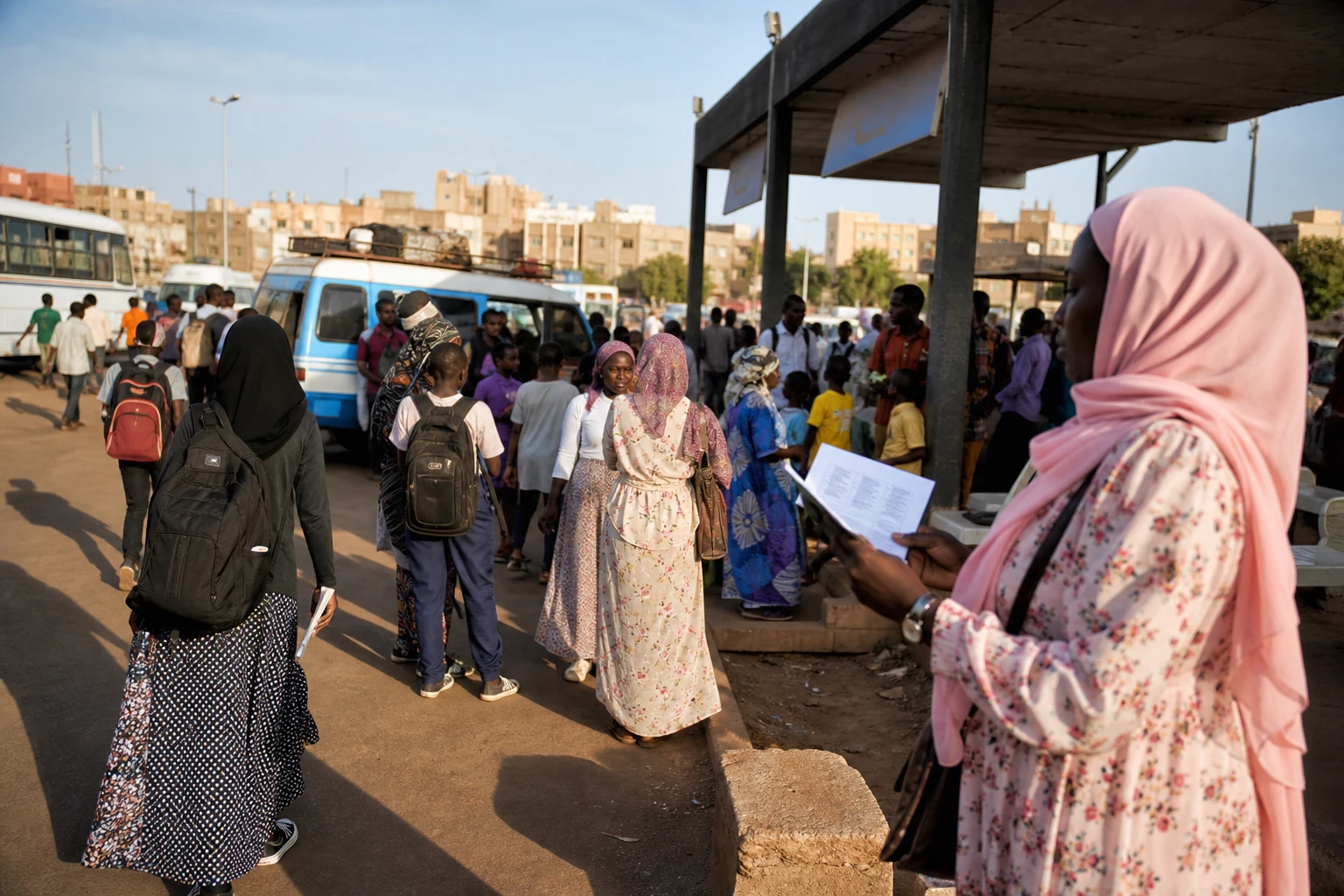
In Mali, the start of the school year on 1 October 2026 does not mean pupils are returning to classrooms everywhere. In several areas of the centre and north, insecurity continues to weigh on teachers, families and schools. The challenge is therefore not simply to open school doors, but to ensure that children can keep attending.
A national start to the school year, but very different realities
Mali’s Ministry of National Education set the start of the 2026-2027 school year for Thursday 1 October. Ahead of the date, the authorities held consultations with teachers’ unions and education partners to identify the main obstacles.
Discussions focused in particular on securing schools without perimeter fences, access to drinking water, the situation of teachers posted to Ménaka and Kidal, and the availability of school supplies. The number of schools still closed was also raised.
In a statement published in September, the Malian government said measures were being taken to prepare for the new school year. This announcement does not, however, mean that all schools can resume activities under the same conditions.
Transition President Assimi Goïta has placed the school year under the banner of education and culture. This gives the start of term national significance. But it runs up against a persistent reality: in some regions, security still directly determines access to education.
2,444 schools closed, according to the latest available data
Figures provided by the Education Cluster show that 2,444 schools are closed. These schools are estimated to affect around 733,200 pupils and 14,664 teachers. The data date from April 2026 and remain the latest national statistics cited before the start of the school year.
The Education Cluster is a co-ordination mechanism bringing together Mali’s Ministry of Education and humanitarian organisations, including UNICEF and Save the Children. It monitors, among other things, the impact of conflicts, population displacement and local crises on the continuity of schooling.
The figure of 2,444 schools was cited in September by the Malian daily L’Essor, at a meeting devoted to the new school year. However, no more recent national assessment is yet available to establish how many of these schools remain closed as of 1 October.
The Bandiagara region has the highest number of closed schools, with 1,292 according to the available data. Kidal, for its part, has the highest closure rate, estimated at around 84 per cent of schools.
These disparities highlight a territorial divide. In relatively secure urban areas, the school year can resume with adjustments. In several rural or isolated communities, teachers’ journeys, road conditions and the presence of armed groups make reopening much more uncertain.
Conflict continues to disrupt the education system
Mali has been experiencing an armed crisis for more than a decade, affecting mainly the north and centre of the country. It pits national forces against various armed groups, including jihadist organisations and movements claiming autonomy or independence for Azawad.
The situation became more tense still in 2026. UNICEF reported attacks that began on 25 April in Bamako, Kati, Mopti, Gao and Kidal. The organisation also said a school in the Mopti region had been affected by the presence of armed people and an explosive device nearby, disrupting the schooling of at least 300 children.
In the north, Kidal remains a strategic point. The city was retaken by Malian forces, with the support of Russian fighters, in November 2023. The co-ordinated attacks of April 2026, however, put the town back at the centre of the balance of power between the state, jihadist groups and Tuareg separatist forces.
Further attacks were reported in July around Anéfis, Aguelhoc, Gao and Sévaré. Even when schools are not directly targeted, fighting and population displacement can be enough to interrupt lessons. A teacher unable to reach their post, a displaced family or an impassable road can undermine the entire education system.
The presence of a school therefore does not automatically guarantee that it can operate. The authorities must also protect staff, ensure the supply of materials and enable pupils to get to class without being exposed to excessive risks.
Displaced children and girls face heavier consequences
School closures do not have the same effects on all children. Families with resources can sometimes move to a town or enrol their children in another school. Displaced households, rural communities and families reliant on the informal economy have fewer options.
For some children, dropping out leads to an early start in work, increased involvement in domestic chores or lasting disengagement from school. Girls may face greater exposure to early marriage and school dropout when family incomes fall or journeys become dangerous.
UNICEF estimates that more than two million children aged 5 to 17 are still out of school in Mali. The organisation also says that more than half of young people aged 15 to 24 are illiterate. These figures are not solely attributable to the security crisis: poverty, a lack of nearby schools and inequalities between girls and boys also play a role.
According to data presented by UNICEF, 73.8 per cent of girls attend primary school, compared with 85.8 per cent of boys. In areas affected by violence, the gap can be widened by unsafe journeys, a shortage of female teachers and economic pressure on households.
A Malian issue, but also a regional one
Mali’s education situation is part of a wider crisis in the Sahel. Burkina Faso and Niger are also facing school closures linked to violence and displacement. Administrative borders do not always correspond to the areas through which armed groups, displaced families and teachers move.
Mali’s withdrawal from ECOWAS, an organisation bringing together several West African states, has also changed the regional framework for political and security dialogue. Bamako now co-operates more closely with Burkina Faso and Niger within the Alliance of Sahel States. This shift could influence policies for securing territories and cross-border aid mechanisms.
For the 2026-2027 school year, the immediate challenge will be to establish how many schools have actually reopened, in which regions and with what enrolments. The situation of teachers in Ménaka and Kidal will also need to be monitored, along with population displacement and the authorities’ ability to offer alternatives such as community-based education or accelerated learning programmes.
In Mali, the start of the school year is therefore more than a date on the calendar. It tests the ability of the state, communities and their partners to maintain an essential service in a country where access to school remains directly linked to the security and stability of its territories.