
 Algeria
 Egypt
 Libya
 Morocco
 Sudan
 Tunisia
 Benin
 Cabo Verde
 Côte d'Ivoire
 Ghana
 Guinea
 Guinea-Bissau
 Liberia
 Mali
 Mauritania
 Niger
 Nigeria
 Senegal
 Sierra Leone
 The Gambia
 Togo
 Cameroon
 Central African Republic
 Chad
 DR Congo
 Equatorial Guinea
 Gabon
 Republic of the Congo
 São Tomé and Príncipe
 Burundi
 Comoros
 Djibouti
 Eritrea
 Ethiopia
 Kenya
 Madagascar
 Malawi
 Mauritius
 Mozambique
 Rwanda
 Seychelles
 Somalia
 South Sudan
 Tanzania
 Uganda
 Angola
 Botswana
 Eswatini
 Lesotho
 Namibia
 South Africa
 Zambia
 Zimbabwe
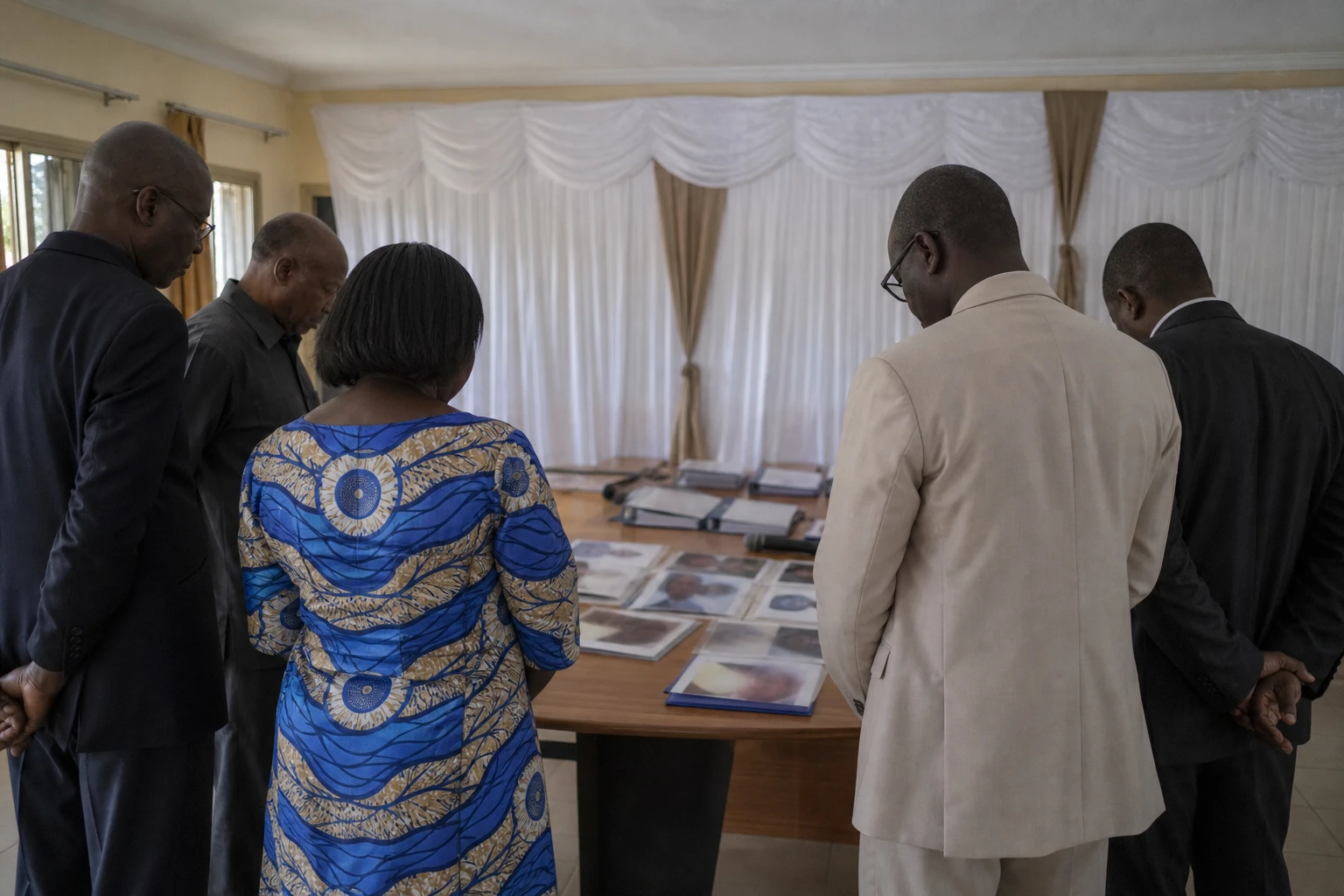
In Ouagadougou, the question is no longer only how many people have been arrested. It is also about their identities, their fate and whether their relatives can obtain an official response. On 30 September 2026, a collective of Burkinabè opposition figures living abroad published a list documenting 86 alleged cases of abduction or arbitrary detention since Captain Ibrahim Traoré came to power.
A list to put a face to the missing
The document, shared on social media under the title “Ibrahim Traoré’s missing”, brings together names, photographs and details of people’s backgrounds. It was published on the anniversary of the 30 September 2022 coup that brought Ibrahim Traoré to the helm of Burkina Faso.
Its authors, united in the Anti-Coup Front, say they have identified 86 people who were abducted, held hostage or arrested without an officially communicated reason. They warn that the tally may be incomplete and say at least 200 cases could eventually be documented.
The figure of 86 is therefore, at this stage, the count presented by the collective. It is not a tally established by an independent commission of inquiry or a judicial institution. This distinction is essential in a country where access to information remains severely constrained by the security situation and restrictions imposed on the media.
The people named reportedly come from a range of backgrounds: journalists, political figures, trade unionists, military personnel, members of targeted families and people who have criticised the authorities. According to the list’s authors, some were released after a few hours or days. Others have remained unaccounted for over much longer periods.
The case of Pingué, a 63-year-old former soldier and father of cyberactivist Oumar Coulibaly, is among those listed. He was reportedly taken away in September 2024. His son, who has been in exile since 2023, says he does not understand why a retired man would have been targeted. These details are based on the family’s testimony and, like the other cases, require independent judicial verification.
A climate of repression documented beyond this tally
The publication comes amid a situation already described by several human rights organisations. The International Federation for Human Rights has reported arbitrary arrests, enforced disappearances, forced conscription and restrictions on the press and civil society organisations since 2022.
Human Rights Watch’s 2026 report on Burkina Faso also describes a crackdown on opposition figures, journalists and critical voices. The organisation says civic space is shrinking, while the authorities justify several measures as necessary to protect the war effort against armed groups.
This justification is set against a grave national reality. Since 2015, attacks by armed groups linked to jihadism have profoundly disrupted Burkina Faso. Rural areas face population displacement, difficulties accessing public services and constant pressure on the defence forces and the Volunteers for the Defence of the Homeland, civilian auxiliaries mobilised alongside the army.
But the fight against armed groups does not suspend fundamental safeguards. An arrest must be notified. A detained person must be able to contact their family and access a lawyer. When someone goes missing, the state must be able to identify the authority responsible for their arrest and the place where they are being held.
The issue is all the more sensitive because those targeted are reportedly not only political figures. Families may be affected because of a relative’s activities. Journalists may face trouble over a comment. Military personnel or former officials may disappear amid internal rivalries. This range of cases fuels fears that repression is extending beyond the management of the armed threat alone.
A prolonged transition and shrinking political space
Ibrahim Traoré’s government emerged from a succession of coups. After Roch Marc Christian Kaboré was overthrown in January 2022, Paul-Henri Sandaogo Damiba was himself ousted on 30 September of the same year. Ibrahim Traoré has led a military transition ever since, which the authorities present as a response to insecurity.
In May and June 2024, national consultations extended the transition by five years from 2 July 2024. Ibrahim Traoré was confirmed as head of state with the title of President of Faso. The extension pushed back the prospect of a swift return to an institutional order based on general elections.
Regionally, Burkina Faso has distanced itself from the Economic Community of West African States, or ECOWAS, an organisation that coordinates economic integration and political cooperation in West Africa. Alongside Mali and Niger, Ouagadougou has established the Alliance of Sahel States, which has become a confederation focused on defence and political sovereignty.
Withdrawal from ECOWAS has reduced regional mechanisms for putting pressure on the Burkinabè authorities. It has also strengthened the government’s argument that external criticism amounts to interference. For the families of detained people, however, this realignment complicates avenues of redress and regional monitoring of rights violations.
What the tally means for families
A public list is no substitute for an investigation. It can nevertheless preserve records, bring testimonies together and prevent disappearances from being treated as isolated cases. In situations marked by fear, documenting names, dates and places is often the first step towards judicial clarification.
There is also a real risk that inaccurate information, duplicate entries or allegations that cannot be verified may circulate. Families could then face further exposure, while people still in detention might be put at greater risk. Caution therefore requires a distinction between confirmed cases, family testimonies and unverified reports.
The challenge for the authorities in Ouagadougou is now to respond specifically to the allegations. General statements about security will not establish the fate of 86 people. The authorities would need to identify detention sites, the legal grounds for the arrests and the proceedings initiated against those concerned.
An issue that extends beyond Burkina Faso
The case highlights a tension found in several Sahelian countries: military authorities claim greater sovereignty and an independent security response, while civil societies demand more transparency and legal safeguards.
What happens next will depend on the ability of families, Burkinabè organisations and African institutions to establish verifiable facts. The African Union and regional rights-protection mechanisms remain involved, even when political relations with transitional authorities deteriorate.
In the short term, three developments will be closely watched: the publication of official information about the people on the list, the possible opening of independent investigations, and changes to the space afforded to the media and Burkinabè organisations. Beyond the figure of 86, the central question remains the state’s responsibility to families waiting for an answer.



