Algeria
 Egypt
 Libya
 Morocco
 Sudan
 Tunisia
 Benin
 Burkina Faso
 Cabo Verde
 Côte d'Ivoire
 Ghana
 Guinea
 Guinea-Bissau
 Liberia
 Mauritania
 Niger
 Nigeria
 Senegal
 Sierra Leone
 The Gambia
 Togo
 Cameroon
 Central African Republic
 Chad
 DR Congo
 Equatorial Guinea
 Gabon
 Republic of the Congo
 São Tomé and Príncipe
 Burundi
 Comoros
 Djibouti
 Eritrea
 Ethiopia
 Kenya
 Madagascar
 Malawi
 Mauritius
 Mozambique
 Rwanda
 Seychelles
 Somalia
 South Sudan
 Tanzania
 Uganda
 Angola
 Botswana
 Eswatini
 Lesotho
 Namibia
 South Africa
 Zambia
 Zimbabwe
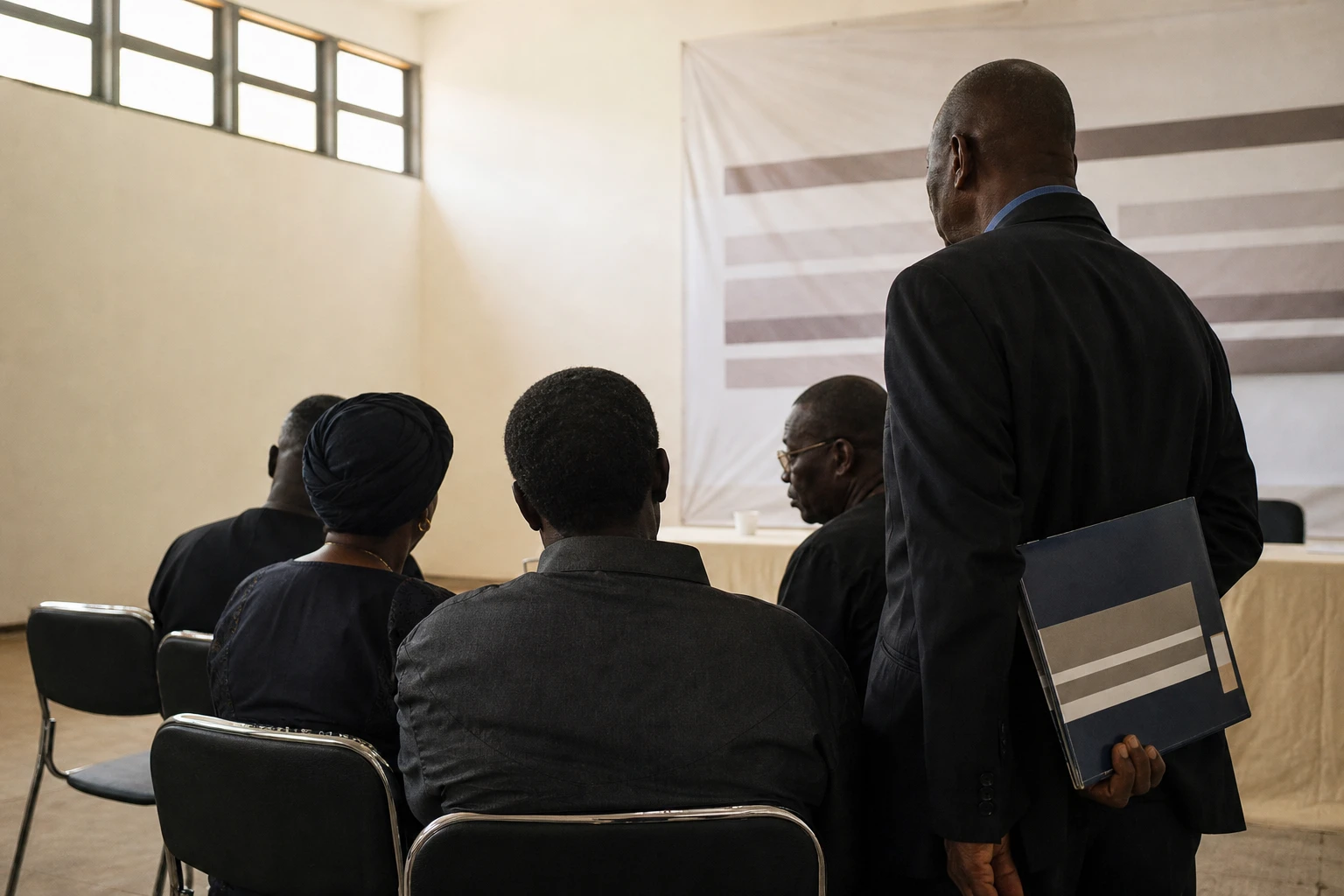
In northern and central Mali, pastoralist communities face two threats: armed groups contesting control of territory and the operations supposedly intended to protect them. A report published on 29 September 2026 by Amnesty International implicates units of the Malian army and Russian fighters associated with the Wagner Group in killings, torture and enforced disappearances committed between June 2023 and December 2025.
An investigation conducted in three regions of Mali
The organisation says it documented seven operations in the regions of Timbuktu, Ségou and Mopti. These areas lie at the heart of the conflict in Mali, which is marked by the activity of Jama’at Nusrat al-Islam wal-Muslimin, affiliated with Al-Qaeda, as well as the presence of armed groups linked to the Tuareg rebellion in the north.
Amnesty International says it interviewed victims, relatives and witnesses. The investigation focuses in particular on localities such as Taborak, Tin Adanda, Ejdeir and Tangatta. According to the organisation, those killed were not directly participating in the fighting. Most belonged to pastoralist communities.
The reported toll is at least 34 civilians executed during the operations examined. Amnesty describes several methods: point-blank shootings, throat-slitting, immolation and abuse inflicted after death. The NGO presents these as indications of deliberate killings that may constitute war crimes.
The Malian authorities did not respond to the findings presented by Amnesty on 3 August 2026, according to the organisation. This lack of response is not proof of responsibility. It does, however, leave several serious incidents reported in the dossier without public clarification.
Accounts from families and survivors
In Taborak, in the Timbuktu region, a woman says she saw her husband executed in front of their home in January 2025. In Tin Adanda the following month, another witness says she lost two sons and a cousin, who were taken out of the village before being shot.
These individual accounts should be seen in a wider context. For several years, residents of central and northern Mali have reported mass arrests, looting, destruction of property and reprisals targeting communities suspected of supporting armed groups.
The Malian Armed Forces maintain that their operations target fighters, not civilians. Amnesty nevertheless says the testimony it gathered and information it claims to have cross-checked contradict this account in several specific cases.
A previous Human Rights Watch investigation into the human rights situation in Mali also implicated Malian forces and their Russian partners in extrajudicial killings and the destruction of civilian property. A United Nations report, too, expressed serious concern about violations attributed to national forces and their foreign partners.
Drone strikes at the centre of concern
Amnesty’s report does not focus solely on ground operations. The NGO also examines two drone strikes in Ejdeir and Tangatta, in the Timbuktu region, in March and November 2025.
According to published information, the attacks are said to have killed at least 23 civilians, including a woman and five children. The figure should continue to be attributed to Amnesty until a full independent investigation has established the circumstances of each strike.
In Ejdeir, a strike is said to have hit a market on a day when many residents had gathered there. Earlier reports, carried by several media outlets, said at least ten civilians were killed in the locality in a drone strike on 16 March 2025. These details alone are not enough to establish the chain of decision-making or the precise nature of the target.
International humanitarian law requires parties to distinguish civilians from combatants and avoid disproportionate attacks. Any air operation in a populated area must therefore be carefully verified, particularly when women and children are among the victims.
Fifteen men say they were tortured
Amnesty also reports the testimony of 15 men who say they were tortured by Wagner personnel during operations or at the military camps in Nampala and Léré.
The abuses described include beatings with iron bars, suspension by the arms, simulated drowning and electric shocks. Some people are said to have been detained for several months without being brought before a judge, without a lawyer and without contact with their families.
The allegations concern acts allegedly committed before Wagner was officially replaced by Africa Corps, a structure under the control of Russia’s Defence Ministry. Amnesty notes that Wagner was active in Mali until June 2025. The change of name and oversight does not, by itself, settle the question of responsibility for earlier acts.
The workings of this military cooperation remain opaque. The Malian government says it reflects a sovereign choice and the need to fight armed groups. Human rights organisations, meanwhile, are calling for the agreements to be made public and for credible judicial investigations to be opened.
A question of justice, in Mali and across the region
The significance of these allegations extends beyond the localities named. Mali, Burkina Faso and Niger left the Economic Community of West African States, ECOWAS, in January 2025. The break has reduced the regional mechanisms available to victims, including access to the organisation’s Court of Justice.
It also comes amid a shrinking civic space. The transitional authorities have restricted political and media activity, while armed violence continues to disrupt displacement, trade and access to public services. In rural areas, residents often have few means of filing complaints or preserving evidence.
For families, the immediate issue remains access to the truth, to the bodies of their loved ones and to justice. For the Malian army, the question is one of unit discipline and command responsibility. For foreign partners, it also concerns oversight of deployed forces and transparency in operations.
The next step will be to verify the facts locality by locality, protect witnesses and allow the Malian authorities to respond to the allegations. Without an independent investigation, the death tolls will remain contested and communities will continue to live under the shadow of reprisals. In the Sahel, the fight against armed groups cannot be won sustainably at the cost of a further rupture between the state and the people it is meant to protect.