
 Algeria
 Egypt
 Libya
 Morocco
 Sudan
 Tunisia
 Benin
 Burkina Faso
 Cabo Verde
 Côte d'Ivoire
 Ghana
 Guinea
 Guinea-Bissau
 Liberia
 Mali
 Mauritania
 Niger
 Nigeria
 Senegal
 Sierra Leone
 The Gambia
 Togo
 Cameroon
 Central African Republic
 Chad
 DR Congo
 Equatorial Guinea
 Gabon
 Republic of the Congo
 São Tomé and Príncipe
 Burundi
 Comoros
 Djibouti
 Eritrea
 Kenya
 Madagascar
 Malawi
 Mauritius
 Mozambique
 Rwanda
 Seychelles
 Somalia
 South Sudan
 Tanzania
 Uganda
 Angola
 Botswana
 Eswatini
 Lesotho
 Namibia
 South Africa
 Zambia
 Zimbabwe
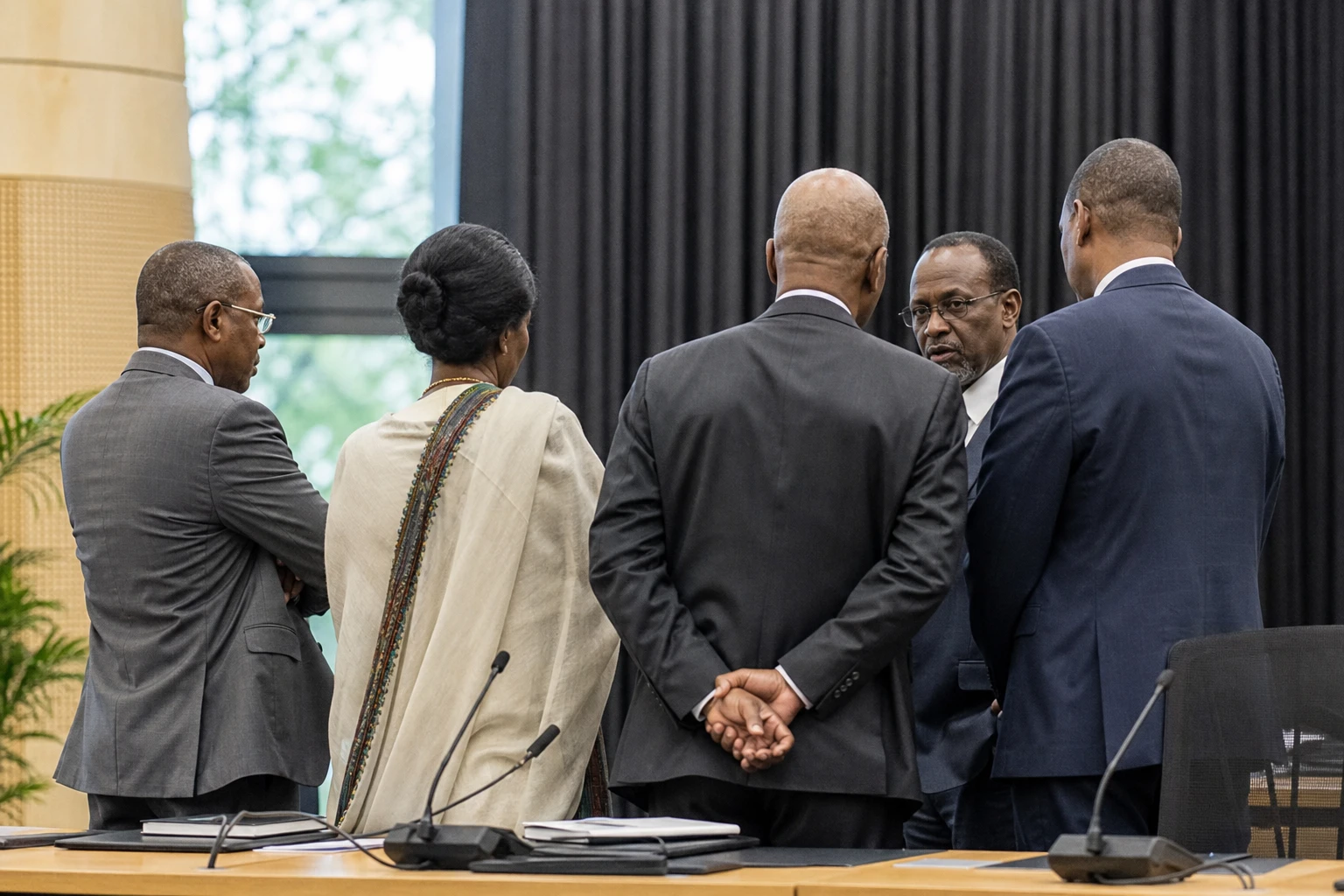
In northern Ethiopia, the breakdown in calm is no longer measured only by the exchange of fire between rival forces. It is also evident in blocked roads, suspended flights and interrupted communications. The resumption of fighting around Tigray and in the neighbouring regions of Afar and Amhara is directly undermining the 2022 peace agreement.
A front spilling beyond Tigray
Clashes intensified from Wednesday 23 September 2026 in several localities in northern Ethiopia. Tigrayan forces linked to the Tigray People’s Liberation Front, the TPLF, took control of Alula Aba Nega airport in Mekelle, the regional capital, according to several consistent accounts and reports.
The fighting then spread to Afar, a strategically important region between Tigray, Djibouti and the trade route linking Ethiopia to the Red Sea. Clashes were reported in Abala and Erebti in particular. A humanitarian source cited by Agence France-Presse said Tigrayan forces had taken Erebti on Sunday 27 September, after heavy artillery fire. Federal authorities have not independently confirmed this information.
Fighting was also reported in Amhara, south of Tigray. The region fought alongside federal forces during the 2020-2022 war. The conflict’s spread to these two territories increases the risk of a wider confrontation, beyond the standoff between Addis Ababa and the Tigrayan authorities.
Federal authorities have not published a verified death toll. Available reports indicate new population displacements in Afar, but their scale remains difficult to establish. Telephone and internet outages are complicating the work of journalists, humanitarian organisations and health services.
The return of the mechanics of war
The situation echoes the early stages of the Tigray war, which began in November 2020. The conflict pitted the federal government against Tigrayan forces for two years. Hundreds of thousands of people were killed, according to widely cited estimates, while several million Ethiopians were displaced.
The agreement signed in Pretoria, South Africa, in November 2022 brought an end to most of the fighting. It provided, among other things, for the disarmament of Tigrayan forces, the return of federal authority and Tigray’s political reintegration. However, several issues remain unresolved, including the status of disputed territories, the return of displaced people and the presence of foreign forces.
Nearly four years after the end of the main hostilities, some refugees and displaced people have still not returned home. Infrastructure remains fragile. In some areas, access to healthcare, banks and humanitarian aid remains irregular.
The strike that hit the Tigrai TV building in Mekelle on Sunday 27 September illustrates the conflict’s new dimension. The channel’s journalists said the building had been struck by a drone and broadcasts had been interrupted. No casualty figures were announced. The exact circumstances of the strike remain disputed.
The attack follows several reports of drone strikes in Tigray. Human Rights Watch condemned an air strike on a residential complex in Mekelle on 20 August 2026. The organisation is calling for an independent investigation into possible civilian casualties. Ethiopian authorities have not publicly acknowledged responsibility for all the reported operations.
An armed alliance broadens the crisis
The TPLF is not alone in this latest phase. Seven armed groups and opposition movements have announced the creation of an alliance called the Ethiopian Peoples’ Forces Alliance for Survival. The coalition includes Tigrayan forces, the Fano Amhara nationalist militias and the Oromo Liberation Army.
These groups have different histories and aims. Some fought each other during the Tigray war. Their rapprochement is therefore driven less by a shared political platform than by an immediate interest: challenging Prime Minister Abiy Ahmed’s government and weakening the federal apparatus.
For the TPLF, opening several fronts could ease the military pressure on Tigray. Afar is of particular interest. The region is home to corridors linking central Ethiopia to the ports and logistics hubs of Djibouti. A prolonged disruption to these routes would affect imports of fuel, food and industrial goods.
The consequences would not be the same for all Ethiopians. Large businesses and government agencies could absorb some delays through their reserves and networks. Small traders, transport operators and households reliant on the informal market would be exposed more quickly to shortages and rising prices.
The risk of regionalisation
Ethiopian Chief of Staff Field Marshal Birhanu Jula has accused Eritrea and Sudan of supporting armed groups opposed to the government. He also named Egypt and other foreign powers. These allegations have not been independently established, and the states accused have not confirmed the alleged facts.
Eritrea occupies a particular place in this crisis. Asmara supported federal forces during the 2020-2022 war. Relations between the two countries have since deteriorated sharply, notably over Ethiopia’s access to the Red Sea and the status of border territories.
Sudan is another source of instability. Its internal war has turned border areas into routes for fighters, refugees and traffickers. Any direct involvement by Sudanese actors could create a new front of confrontation between Addis Ababa, Khartoum and Tigrayan forces.
The crisis also concerns the Intergovernmental Authority on Development, IGAD, the regional organisation for East Africa. Ethiopia is a central member. But the organisation remains weakened by differences among its member states over the war in Sudan, relations with Eritrea and the terms of mediation.
What the African Union must watch
The African Union, headquartered in Addis Ababa, supported the negotiations that led to the Pretoria agreement. The resumption of fighting is testing this peace framework. It raises a direct question: how can an incomplete military agreement be prevented from turning into a new cycle of political and territorial reprisals?
The coming weeks will be decisive. Developments in the fighting in Afar and Amhara, the reopening of routes to Djibouti, the movement of Eritrean forces near Tigray and humanitarian access to Mekelle will all need to be monitored. African mediators’ ability to restore channels of dialogue will also influence what happens next.
For the population, the urgent needs remain tangible: being able to travel, receive healthcare, access markets and find displaced relatives. Without a political settlement to the territorial and security issues left unresolved since 2022, every local incident now risks reigniting a national conflict.



