
 Algeria
 Egypt
 Libya
 Morocco
 Sudan
 Tunisia
 Benin
 Burkina Faso
 Cabo Verde
 Côte d'Ivoire
 Ghana
 Guinea
 Guinea-Bissau
 Liberia
 Mali
 Mauritania
 Niger
 Nigeria
 Sierra Leone
 The Gambia
 Togo
 Cameroon
 Central African Republic
 Chad
 DR Congo
 Equatorial Guinea
 Gabon
 Republic of the Congo
 São Tomé and Príncipe
 Burundi
 Comoros
 Djibouti
 Eritrea
 Ethiopia
 Kenya
 Madagascar
 Malawi
 Mauritius
 Mozambique
 Rwanda
 Seychelles
 Somalia
 South Sudan
 Tanzania
 Uganda
 Angola
 Botswana
 Eswatini
 Lesotho
 Namibia
 South Africa
 Zambia
 Zimbabwe
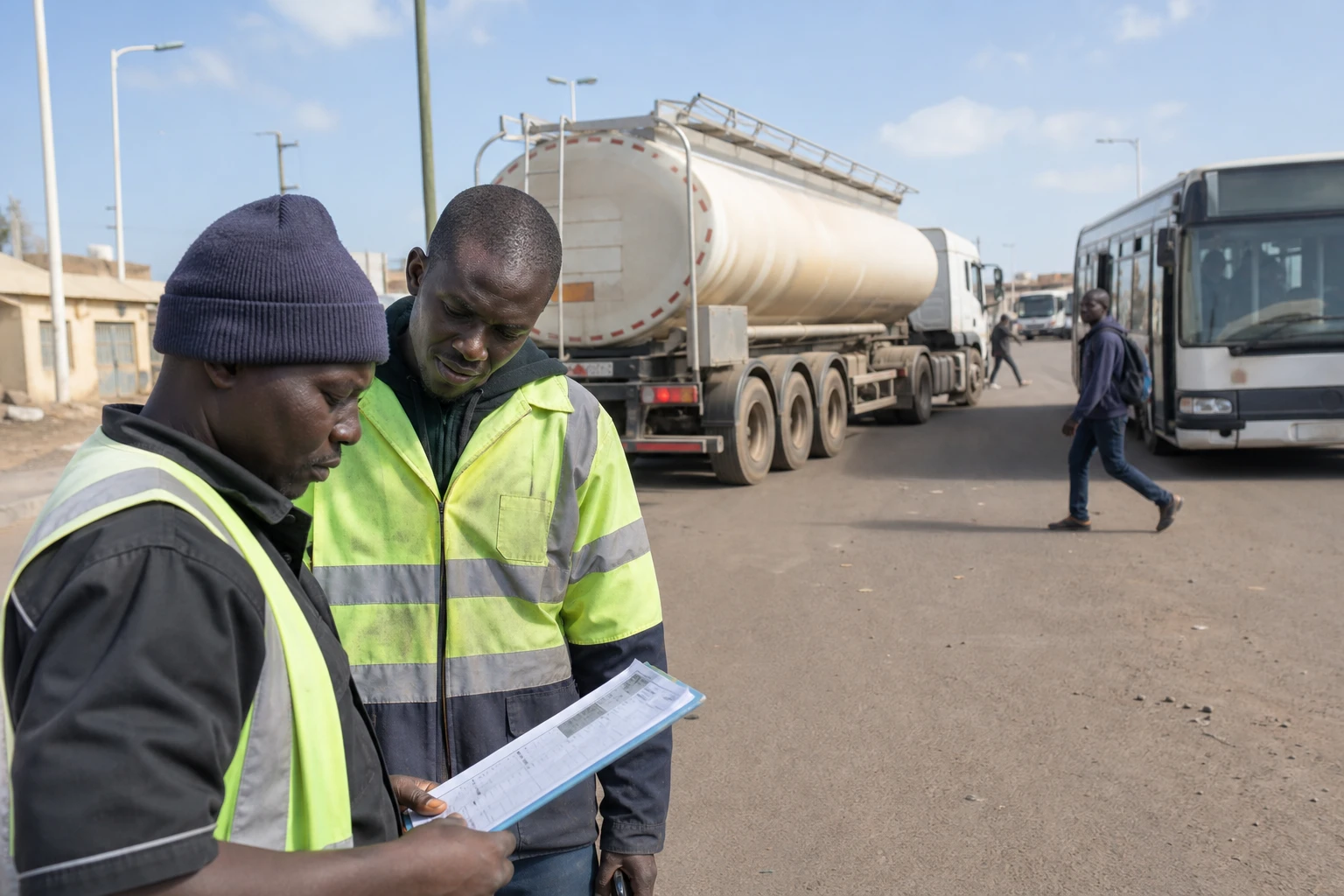
For Senegal, the challenge is no longer limited to extracting oil. The country must now process it locally, develop industrial skills and make national supplies more secure. The planned second refinery, announced in New York on 23 September 2026, is part of that strategy.
Industrial capacity set to move up a gear
The Société africaine de raffinage (SAR) and Turkish group Yamata have signed a memorandum of understanding to build a new facility capable of processing 4 million tonnes of crude a year. The project represents an estimated investment of between $2 billion and $3 billion, according to information released by Senegal’s presidency and reported by the Senegalese Press Agency.
The planned facility is to be adapted, in particular, to oil extracted from the Sangomar field. It will also need to be able to process different grades of crude available on the international market. This flexibility is important to ensure that a refinery does not depend on a single source of supply.
The partnership also provides for the modernisation of the Mbao refinery, near Dakar. The associated works are estimated to cost between $300 million and $500 million. The aim, therefore, is twofold: to increase national capacity and upgrade existing industrial infrastructure.
For now, however, this is a memorandum of understanding. Detailed engineering studies, final financing arrangements and a precise construction timetable have yet to be settled. The announcement opens a period of industrial preparation; it does not mean production has begun.
More than 15,000 jobs announced during construction
Senegal’s presidency and SAR have announced more than 15,000 direct jobs during the construction phase. This figure relates to the period when the infrastructure is being built. It should not be confused with the permanent workforce needed to operate a refinery.
The project highlights local content. This refers to the participation of domestic businesses, workers and skills at the different stages of an investment. In this case, demand is expected in engineering, maintenance, industrial logistics and several specialist construction trades.
Whether this promise is fulfilled will depend less on the announced number than on the ability to prepare Senegalese workers before construction begins. Local companies will need to meet the quality, safety and certification standards required by the oil industry. They will also need transparent access to subcontracting opportunities.
For young graduates, technicians and skilled workers, construction could quickly create demand across several sectors. Small and medium-sized businesses could also find opportunities in transport, equipment supply, catering, maintenance and digital services.
A project launched in a labour market under pressure
The prospect comes as Senegal’s labour market remains strained. According to the National Agency for Statistics and Demography, the broad unemployment rate reached 22.9% in the first quarter of 2026, up from 21.7% a year earlier.
The situation is more difficult for young people. Their unemployment rate stood at 28.4%, compared with 16.8% for adults. The gap between areas is also pronounced: broad unemployment reached 32% in rural areas, against 17.4% in urban areas. These figures are a reminder that a major project in the Dakar area will not automatically have the same impact in other regions.
The challenge, therefore, will be to link the construction project with training centres, regional businesses and apprenticeship schemes. Without such coordination, some of the most skilled jobs could go to workers who already have experience, while people living near the site benefit mainly from temporary or indirect work.
The project will also need to take account of women’s place in the economy. Industrial jobs are often dominated by men, while many Senegalese women are seeking paid work. Targeted training, open recruitment procedures and suitable working conditions will be needed to ensure local content is more than a slogan.
From oil production to local processing
Senegal has been producing oil since 2024, but this new status alone is not enough to guarantee energy autonomy. Producing crude, refining it, storing it and distributing fuel all involve different requirements. The country must therefore build a coherent industrial chain, from offshore fields to consumers.
The new refinery is intended to help meet domestic demand for petroleum products. It could also supply volumes to the sub-regional market. This directly concerns the ECOWAS area—the Economic Community of West African States—where fuel trade remains sensitive to production capacity, transport costs and port infrastructure.
Local processing could ultimately extend beyond refining alone. The memorandum refers to developments in petrochemicals, meaning the manufacture of industrial products from petroleum derivatives. This direction could support new activity in plastics, solvents, fertilisers or certain industrial inputs, provided additional investment is secured.
The expected benefits will therefore not be measured only in barrels or tonnes processed. They will also depend on the share of value retained in Senegal, the number of local businesses included in contracts and the actual transfer of expertise to the country’s engineers and technicians.
The next steps will be decisive
The timetable for studies, the financing structure and the division of responsibilities between SAR and Yamata will be the first points to watch. Under the announced arrangement, Yamata will take responsibility for engineering, procurement, construction and financing, without a sovereign guarantee from the state.
This arrangement could limit the direct exposure of public finances. However, it will need careful scrutiny once the final contracts are available. Financing terms, commercial guarantees, governance rules and commitments on local content will determine the partnership’s real scope.
For Senegal, the second refinery is therefore a test of coherence between energy policy, industrial policy and employment policy. The promise of 15,000 jobs will be judged by actual recruitment. The promise of energy sovereignty will be judged by the ability to supply the domestic market at a sustainable cost. And the promise of local transformation will depend on the depth of the activities created around refining.



