Algeria
 Egypt
 Libya
 Morocco
 Sudan
 Tunisia
 Benin
 Burkina Faso
 Cabo Verde
 Côte d'Ivoire
 Ghana
 Guinea
 Guinea-Bissau
 Liberia
 Mali
 Mauritania
 Niger
 Nigeria
 Senegal
 Sierra Leone
 The Gambia
 Togo
 Cameroon
 Central African Republic
 Chad
 DR Congo
 Equatorial Guinea
 Gabon
 Republic of the Congo
 São Tomé and Príncipe
 Burundi
 Comoros
 Djibouti
 Eritrea
 Ethiopia
 Kenya
 Madagascar
 Malawi
 Mauritius
 Mozambique
 Rwanda
 Seychelles
 Somalia
 South Sudan
 Tanzania
 Uganda
 Botswana
 Eswatini
 Lesotho
 Namibia
 South Africa
 Zambia
 Zimbabwe
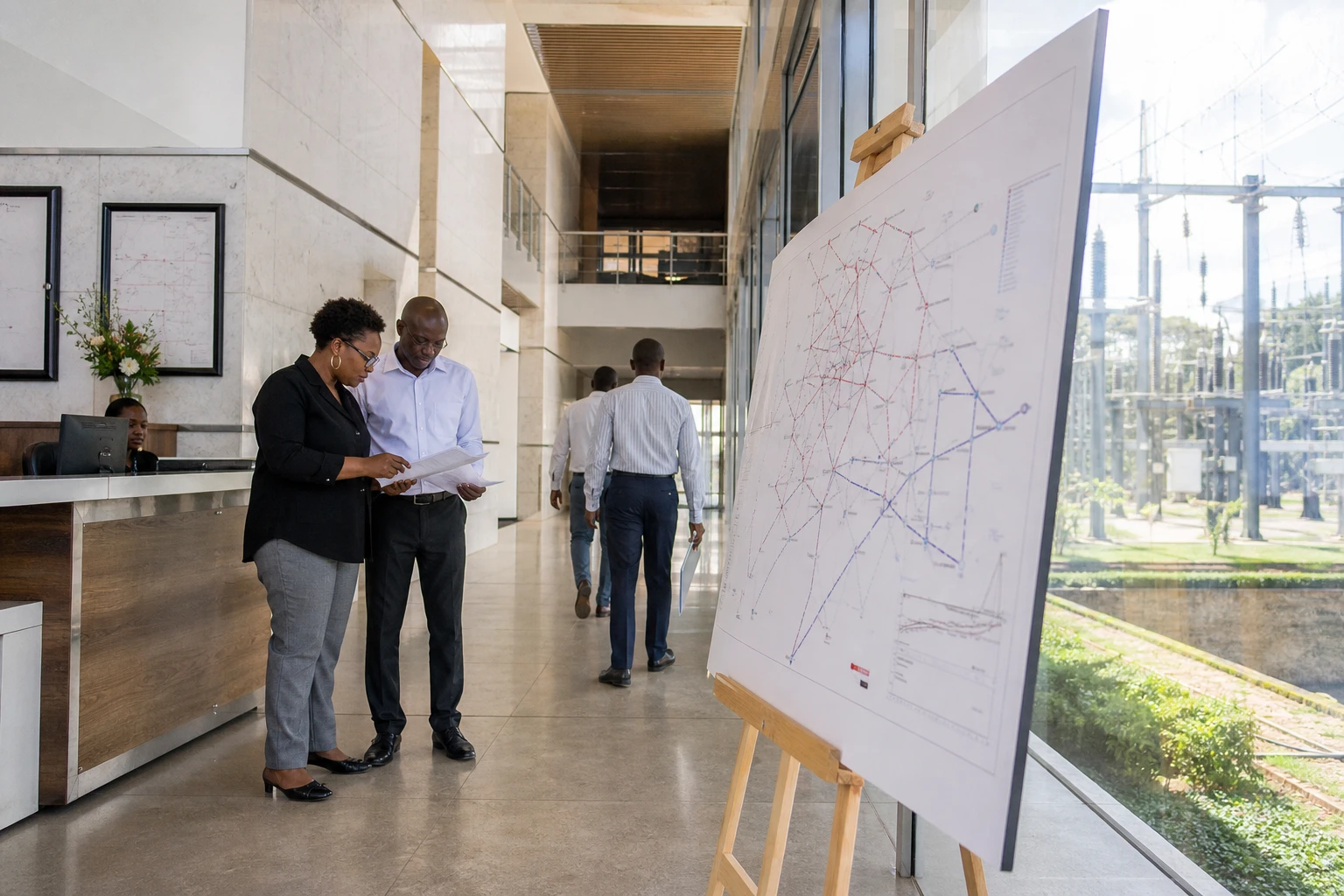
On the Lobito Corridor, the contest is no longer being fought only on railway tracks and in ports. It is now shifting to power lines, dams and networks capable of supplying the copper and cobalt mines of the Democratic Republic of the Congo and Zambia.
A mining corridor that also depends on electricity
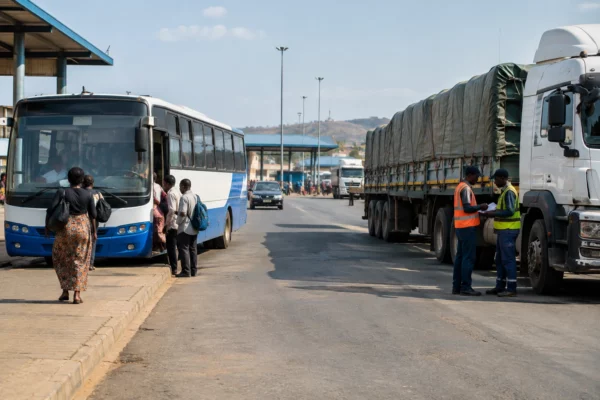
The Lobito Corridor links the Angolan port of Lobito on the Atlantic coast to the mining regions of the Democratic Republic of the Congo (DRC) and Zambia. Its rail line crosses Angola to Luau, on the Congolese border. It is intended to provide a more direct route to international markets for copper, cobalt and other strategic minerals.
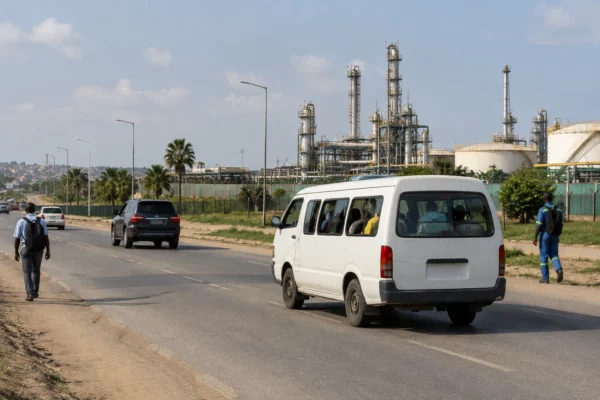
But a modernised railway alone is not enough to transform the region in a lasting way. Mining operations need a stable power supply. So do nearby cities, small businesses and households. In several areas of the Copperbelt, industrial production remains vulnerable to power cuts, network constraints and a lack of new capacity.
Washington is now moving into this space. On 22 September 2026, the US Trade and Development Agency, USTDA, signed an agreement with Anzana Electric Group to fund a $3 million feasibility study.
A study focused on the DRC and Zambia
The project mainly concerns Lualaba province in the south-east of the DRC, as well as Zambia’s Copperbelt and North-Western provinces. According to the USTDA’s official announcement, the infrastructure under consideration could improve access to electricity for mining activities and more than three million people.
The study will examine several options. It will look at increasing hydropower generation, rehabilitating existing assets and extending distribution networks. In the DRC, the work will also assess the state of the grid, mines’ energy requirements and options for bringing certain facilities back into service or upgrading them.
In Zambia, the study is expected to prepare tender documents, analyse the economic and financial viability of projects, and produce environmental and social assessments. The announced scope also includes an electrification strategy and a business plan.
The funding does not yet cover the construction of new power stations or transmission lines. It is intended first to prepare decisions. Final capacity, detailed costs and financing arrangements remain to be determined.
The USTDA also plans to identify US suppliers that could take part in future contracts. The agency is pursuing a dual objective: supporting access to electricity in the areas concerned while opening up opportunities for US companies in engineering, equipment and energy services.
Washington is securing the entire supply chain
This initiative extends US involvement in the corridor. On 17 December 2025, Lobito Atlantic Railway announced $753 million in financing from the DFC, the US development finance institution, and the Development Bank of Southern Africa, the DBSA.
The US share amounts to up to $553 million. The financing is intended to help rehabilitate about 1,300 kilometres of railway in Angola, as well as the port and logistics facilities linked to the project. The DFC estimates that the work could increase transport capacity to 4.6 million tonnes and cut the cost of transporting minerals by up to 30%.
For Angola, the stakes go beyond exporting minerals produced in neighbouring countries. The port of Lobito and the Benguela railway could strengthen the role of Angola’s Atlantic coast in southern African trade. Luanda is also seeking to make the corridor part of a broader strategy for economic diversification and infrastructure development.
For the United States, the logic is also strategic. Copper and cobalt are used to manufacture many electrical devices and industrial technologies. Washington is seeking to diversify its supplies and reduce its dependence on production chains concentrated in a handful of countries.
This approach is therefore not limited to transport. It is gradually encompassing mining, electricity, logistics and access to markets. The USTDA-funded study has a preparatory role in this framework, but an important one.
Local interests will be decisive
The expected benefits will not be measured solely by the volume of ore transported. A more reliable power supply could reduce production stoppages, support local processing and improve services in areas near mining sites.
The effects will nevertheless vary from place to place. Large mining operators want continuous, predictable electricity. Small businesses mainly need an accessible network and tariffs compatible with their operations. In rural areas, extending power lines could improve public services, but this will depend on timing, costs and the priorities chosen.
Governance will therefore be central. The DRC and Zambian authorities will need to clarify how responsibilities are divided between private companies and national operators. In Zambia, state-owned utility ZESCO has already announced a partnership with Anzana to expand electrification along the corridor. The project aims, in particular, to connect up to two million people by 2030, according to a ZESCO statement.
In the DRC, Lualaba’s energy needs are linked to the mining boom, but also to the state of the grid and the capacity of the National Electricity Company. The programme’s success will depend on coordination between the authorities, mining companies, electricity operators and the communities concerned.
A test for southern African integration
The Lobito Corridor lies within the Southern African Development Community (SADC), which is seeking to strengthen trade, infrastructure and regional interconnections. The energy project could therefore have a reach beyond simply connecting mining sites.
In time, stronger networks could support regional trade, industry and cities along the route. But this prospect will depend on decisions that have yet to be made: site selection, study findings, tariff structures, environmental protection and the mobilisation of capital.
The next challenge will be to see whether the study leads to funded and built projects. For now, the United States is consolidating its presence further up the supply chain. Angola, the DRC and Zambia will need to ensure that this race for minerals also creates sustainable energy capacity, skilled jobs and value that is more evenly shared across the region.