
 Algeria
 Egypt
 Libya
 Morocco
 Sudan
 Tunisia
 Benin
 Burkina Faso
 Cabo Verde
 Côte d'Ivoire
 Ghana
 Guinea
 Guinea-Bissau
 Liberia
 Mali
 Mauritania
 Niger
 Nigeria
 Sierra Leone
 The Gambia
 Togo
 Cameroon
 Central African Republic
 Chad
 DR Congo
 Equatorial Guinea
 Gabon
 Republic of the Congo
 São Tomé and Príncipe
 Burundi
 Comoros
 Djibouti
 Eritrea
 Ethiopia
 Kenya
 Madagascar
 Malawi
 Mauritius
 Mozambique
 Rwanda
 Seychelles
 Somalia
 South Sudan
 Tanzania
 Uganda
 Angola
 Botswana
 Eswatini
 Lesotho
 Namibia
 South Africa
 Zambia
 Zimbabwe
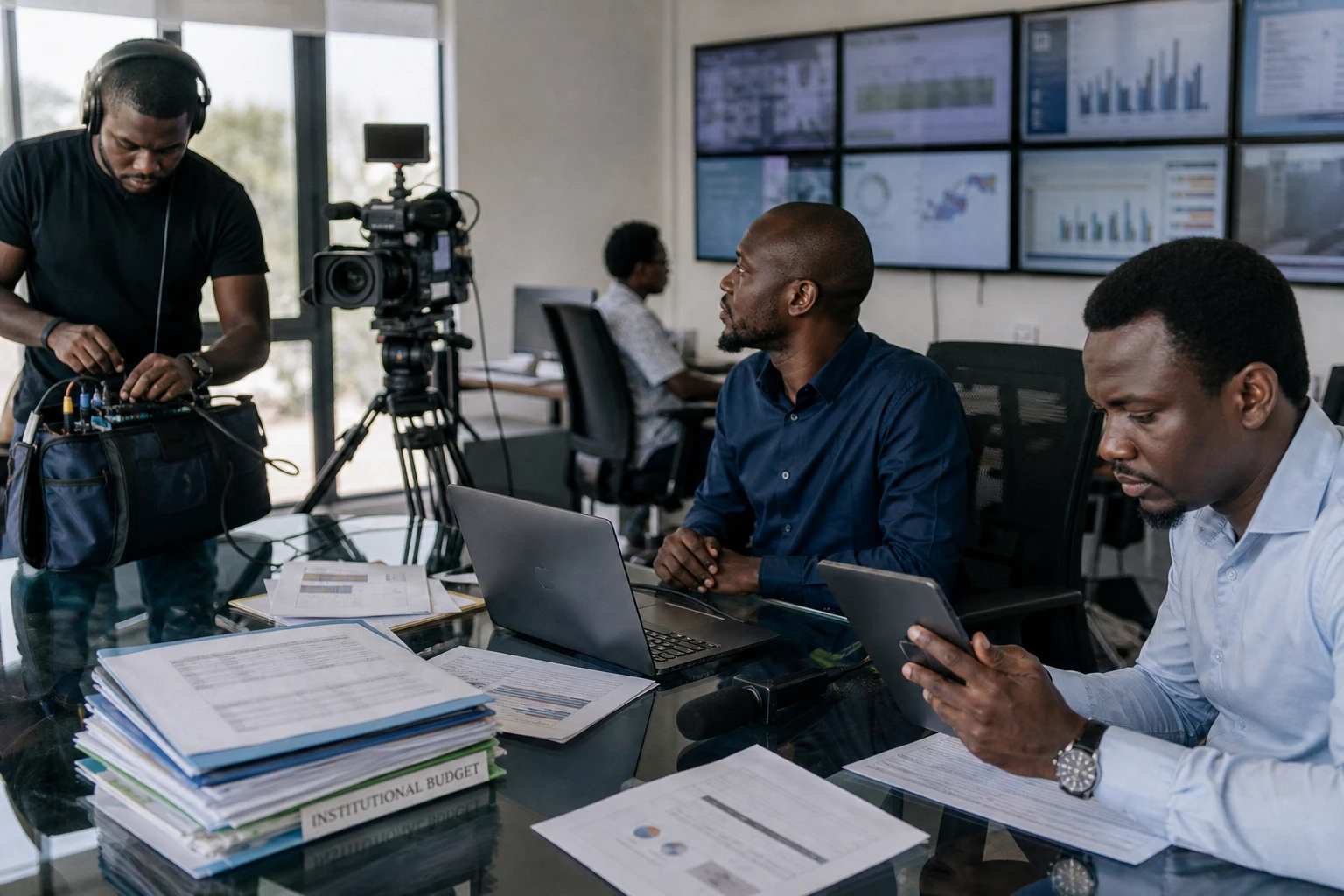
A budget under strain as the country seeks room to manoeuvre
In Senegal, budgetary trade-offs have once again become a political test. They address a very concrete question: how much the state can still finance, at what pace, and for which households. Against a backdrop of volatile energy prices, pressure on tax revenues and heavy debt, every budget line represents a choice of method as much as a choice for society.
The debate is part of a broader sequence. Dakar is seeking to put its public finances back on a clearer path, after imbalances weighed on budget execution and dialogue with lenders. The country remains a member of the West African Economic and Monetary Union, and is therefore subject to a common framework for fiscal discipline in West Africa. Within that framework, the credibility of public accounts matters as much as the level of spending.
The government has published the draft supplementary finance bill for 2026, updating the framework for the current year. The text is based on 2026 budget monitoring and preparatory documents made public by the finance administration. It also comes a few weeks after the announcement of an agreement in principle with the IMF on a 36-month programme focused on macroeconomic stability, debt sustainability and the protection of vulnerable households.
What the draft supplementary finance bill changes
The most sensitive point in the draft is the deficit. It is now estimated at CFAF 1,735.2bn, or 7.6% of GDP, compared with 5.4% in the initial finance bill. This revision reflects a revenue shock and additional spending. The government cites higher energy subsidies, the financing of new priorities and lower tax revenues.
Spending from the general budget is set at CFAF 7,251.9bn. Energy subsidies are rising from CFAF 250bn to CFAF 790.3bn. This is a significant increase. It shows that the state has chosen to absorb part of the shock to avoid passing it on abruptly to households and businesses. But it increases the budget bill and narrows the scope for investment.
Meanwhile, general budget revenues are being cut to CFAF 5,516.7bn. The government cites a decline of CFAF 415.5bn compared with the initial finance bill. Tax revenues have also been revised downwards, notably because returns under the Economic and Social Recovery Plan, known by its French acronym PRES, have been lower than expected. The plan aims to mobilise domestic resources to correct imbalances without relying solely on external financing.
The text also provides for an economic solidarity contribution applicable to electronic money operators, at a progressive rate of 8% to 10%. The message is clear: the burden of mobilising resources should no longer fall only on traditional taxpayers. Digital transactions, which are widespread in Senegal’s daily economy, are now part of the tax debate.
The state’s financing requirement is estimated at CFAF 6,774.2bn. It will have to be covered through borrowing and cash resources. The draft also authorises the inclusion in the state accounts of CFAF 300bn in verified non-financial debt. This technical provision matters. It reflects an effort to clarify past commitments and bring the accounts closer to reality.
On the macroeconomic front, growth expected in 2026 has been lowered to 2.7%, from 5% in the initial finance bill. The revision is explained by the effects of the global energy crisis and the risk of below-average rainfall linked to El Niño, a climate phenomenon that regularly disrupts agricultural seasons in West Africa. In a country where agriculture affects employment, rural incomes and food prices, this issue goes beyond the budget alone.
Between social protection, debt and public investment
The budget revision reveals a clear trade-off: provide short-term protection without letting the debt trajectory run away. This is where the current political balance lies. On one hand, the state wants to maintain energy subsidies and strengthen social safety nets. On the other, it must contain investment spending financed from domestic resources and broaden the revenue base.
The government has announced a shift in spending towards social sectors. The social protection budget is expected to double to CFAF 140bn. This approach matters for low-income households, particularly amid rising living costs. It could also cushion the effects of future subsidy reform, if that reform becomes more targeted.
In its agreement in principle made public in early September, the IMF calls for a similar framework: stronger domestic resource mobilisation, more rational spending and reinforced social safety nets. The Fund’s document confirms that Senegal is embarked on a process to restore macroeconomic stability and debt sustainability. The political and budgetary timetable therefore remains closely tied to the reform timetable.
For businesses, the situation can be read in two ways. Sectors dependent on public spending, construction projects and state contracts may be affected by slower investment. However, a clearer budgetary path could eventually boost confidence, ease cash-flow pressures and facilitate private financing. For households, everything will depend on how well assistance is targeted in practice and how quickly it is implemented.
The Senegalese case also has regional significance. In West Africa, several ECOWAS and WAEMU states are seeking to contain deficits while absorbing the energy and social shock. The debate in Dakar therefore points to a broader challenge: the difficulty West African economies face in financing the energy transition, social protection and productive recovery without worsening their debt.
At continental level, the issue is a reminder that budget reform cannot be reduced to a deficit figure. It measures an African state’s ability to regain control of its revenues, clarify its debt and balance urgent social needs against long-term investment. In Senegal, the next step will be parliamentary scrutiny of the text, followed by its actual implementation. That is when the budget will show whether it merely corrects an accounting gap or establishes a new discipline in public finances.



