
 Algeria
 Egypt
 Libya
 Morocco
 Sudan
 Tunisia
 Benin
 Burkina Faso
 Cabo Verde
 Côte d'Ivoire
 Ghana
 Guinea
 Guinea-Bissau
 Liberia
 Mali
 Mauritania
 Niger
 Nigeria
 Senegal
 Sierra Leone
 The Gambia
 Togo
 Central African Republic
 Chad
 DR Congo
 Equatorial Guinea
 Gabon
 Republic of the Congo
 São Tomé and Príncipe
 Burundi
 Comoros
 Djibouti
 Eritrea
 Ethiopia
 Kenya
 Madagascar
 Malawi
 Mauritius
 Mozambique
 Rwanda
 Seychelles
 Somalia
 South Sudan
 Tanzania
 Uganda
 Angola
 Botswana
 Eswatini
 Lesotho
 Namibia
 South Africa
 Zambia
 Zimbabwe
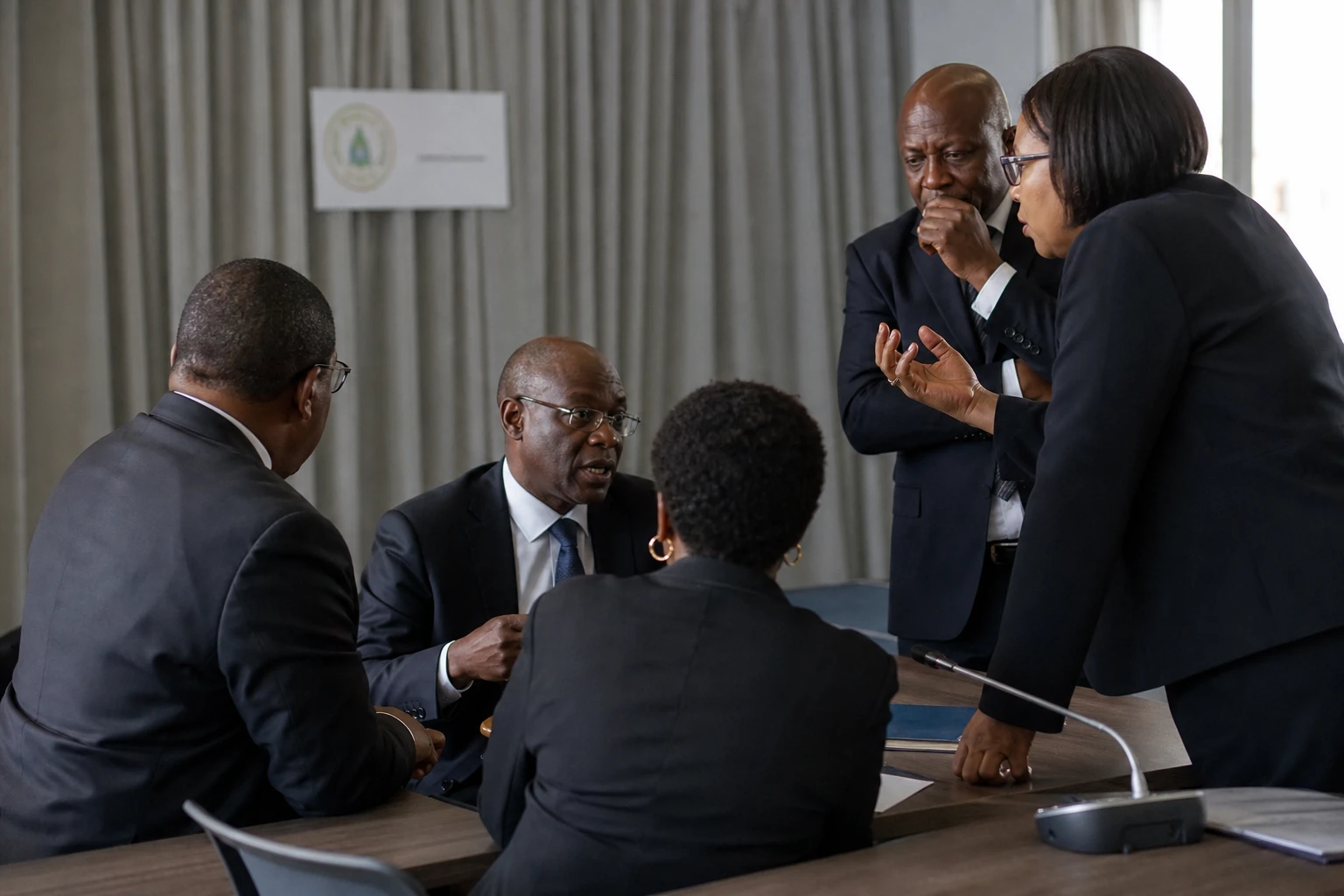
Cameroon’s gold project moves up a gear
In central Cameroon, gold is no longer found only at artisanal sites or in small drilling campaigns. It has also become a matter of financing, industrial strategy and mining sovereignty. The Mbe project, in Oriole Resources’ central licence, illustrates this shift: until recently an asset still in the exploration stage, it is already being presented by its operator as its flagship project in the country.
The national context matters. In Yaoundé, the authorities want to make Cameroon a genuine mining country, moving beyond a sector that still accounts for little of the economy. In 2026, the Ministry of Mines reiterated its plans to bring major projects into production and its intention to regulate gold more effectively, with stricter requirements on the environment, taxation, Cameroonian participation in share capital and production thresholds. At the same time, the 2023 Mining Code and its implementing regulations are reshaping the rules of the game.
What the Mbe project actually involves
On 18 September 2026, Oriole Resources announced the sale of its 1.2% royalty on the Muratdere project in Turkey for $1.2 million. The company said it intended to redirect the proceeds towards its activities in Central Africa, particularly Cameroon. This is no minor detail: for a junior mining company, selling a non-core asset often helps fund drilling, studies and the next stages of development at projects deemed a priority.
In Cameroon, Mbe remains Oriole’s most advanced project. The company says the total inferred resource at MB01 reached 1.66 million ounces of gold in July 2026, based on a JORC model. It also says it holds a 50% stake in the project, with the other half held by BCM International, while Oriole remains the technical operator. The site is located in the central licence package, west of Ngaoundéré, in Adamawa. The 1.66 million-ounce figure was published by the company and included in its annual results, making it a reliable benchmark, although it refers to inferred resources, meaning geological potential rather than a proven mineral reserve.
Progress has been rapid. In July 2025, the company was still referring only to an exploration target of between 820,000 and 1.34 million ounces. Initial estimates for MB01-S followed, then MB01-N, before an update took the inventory to 1.66 million ounces. The progression tells a simple story: Mbe is moving beyond vague promises and becoming a project already attracting capital, portfolio decisions and discussions about the next phase of work.
Why the deposit matters beyond Oriole
Cameroon is looking to turn discoveries of this kind into a more structured industry. For now, the non-oil mining sector contributes only a limited share of GDP, far below the country’s geological potential. The authorities are therefore banking on greater formalisation, traceability and a bigger share of value being retained locally. In short, the debate is not only about how much gold lies underground, but also about what will stay in the country: jobs, subcontracting, tax revenue, infrastructure and site rehabilitation.
This approach also changes how the project is viewed by neighbouring communities and the authorities. For the government, Mbe could become a test of the credibility of the new mining framework. For operators, the reforms demand greater discipline. For local communities, the issues are tangible: access to jobs, the movement of vehicles and equipment, water, land, compensation and environmental monitoring. In 2026, the Minister of Mines also called for tougher oversight of gold, particularly to combat illegal operations and permits being used for purposes other than those for which they were granted.
At the regional level, the Mbe project also says something about Central Africa. Cameroon is seeking to establish itself within CEMAC with an extractive industry that is less informal and more productive. The question now is whether announcements about Mbe will lead to a genuine mining trajectory or remain at the level of a promising deposit in a sector still under development. The next steps to watch will be further exploration campaigns, the possible conversion of resources into a feasibility study, and ultimately the balance between investor appeal and public oversight of the industry.



