Algeria
 Egypt
 Libya
 Morocco
 Sudan
 Tunisia
 Benin
 Burkina Faso
 Cabo Verde
 Côte d'Ivoire
 Ghana
 Guinea
 Guinea-Bissau
 Liberia
 Mali
 Mauritania
 Niger
 Nigeria
 Senegal
 Sierra Leone
 The Gambia
 Togo
 Cameroon
 Central African Republic
 Chad
 DR Congo
 Equatorial Guinea
 Gabon
 Republic of the Congo
 São Tomé and Príncipe
 Burundi
 Comoros
 Djibouti
 Eritrea
 Ethiopia
 Kenya
 Madagascar
 Malawi
 Mauritius
 Mozambique
 Rwanda
 Seychelles
 Somalia
 South Sudan
 Tanzania
 Uganda
 Angola
 Botswana
 Eswatini
 Lesotho
 Namibia
 Zambia
 Zimbabwe
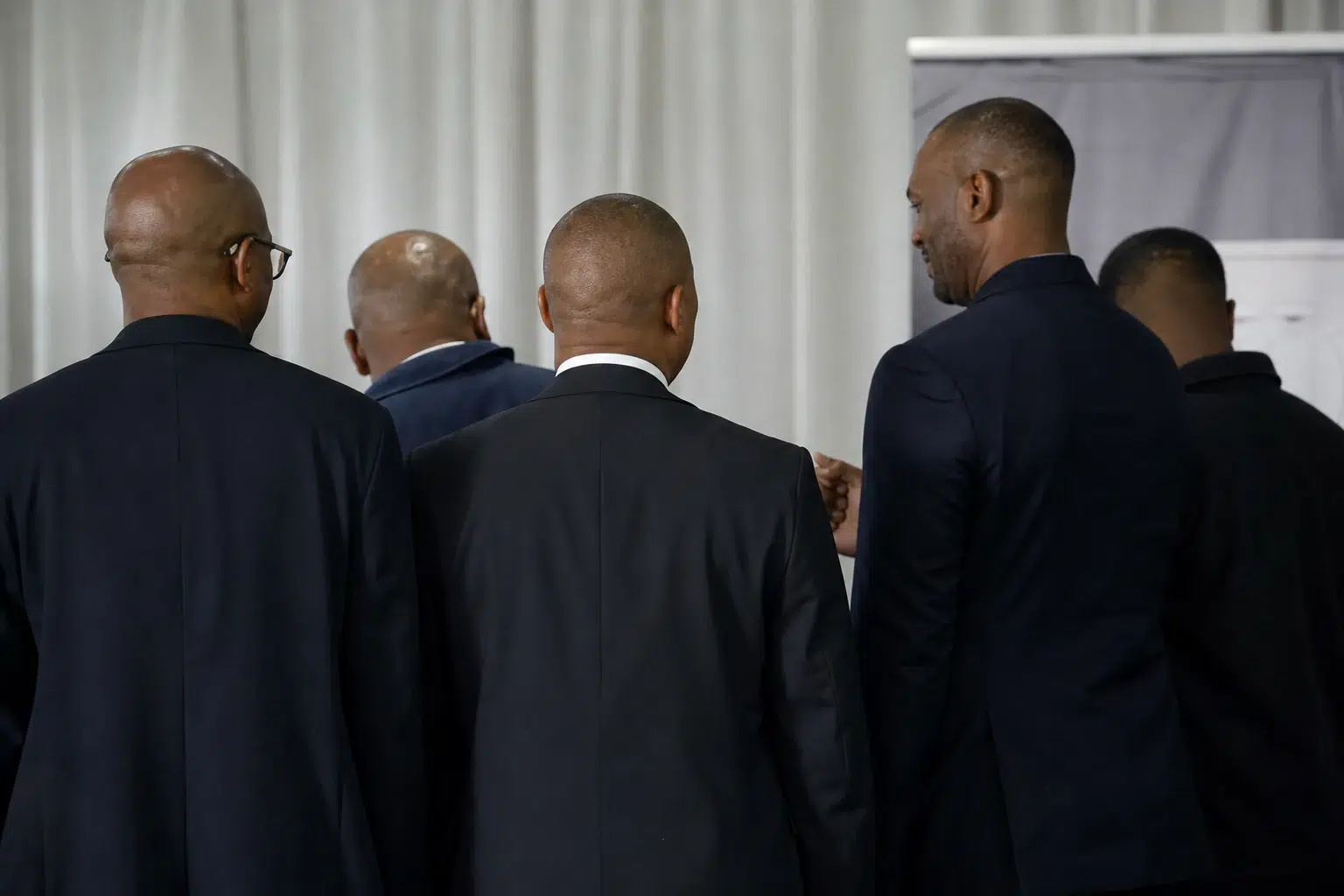
Pretoria gave South Africa far more than a victory
One September evening in Pretoria, Mamelodi Sundowns showed that an African club can take its place in the global calendar without asking permission. In front of their home crowd at Loftus Versfeld Stadium, the club from South Africa’s capital beat Al Ahli 2-1 and took another step in the 2026 FIFA Intercontinental Cup.
The result goes beyond the scope of a single trophy. It puts Pretoria, and with it South Africa, in a competition bringing together the champions of FIFA’s six confederations. In this format, the winner of the Africa-Asia-Pacific zone advances to the Americas Derby, then the Challenger Cup, before a possible final against European champions Paris Saint-Germain.
A tight evening, and a campaign already rich in symbolism
The match did not unfold as a long, tranquil narrative. Nuno Santos opened the scoring in the 17th minute with a header from a Teboho Mokoena cross. Al Ahli responded two minutes later with a move finished by Firas Al-Buraikan, although the goal was ultimately credited as an own goal to Ronwen Williams. Santos then restored Sundowns’ lead in the 79th minute, again with a ball in the air. FIFA and CAF confirmed the 2-1 scoreline and the date of 19 September 2026 in Pretoria.
The victory sends the South Africans into the next phase of the competition. FIFA said Sundowns will face the winner of the Americas Derby – the eventual Copa Libertadores champions – with a place in the world final at stake. Toluca have already qualified for this intercontinental fixture, while the South American club will be known after the conclusion of the Libertadores.
For South African football, the moment also matters because it adds to an already impressive trajectory. Sundowns won the CAF Champions League in 2016, the CAF Super Cup in 2017, and then the African Football League in 2023. They also reclaimed the continental crown in May 2026 against Rabat’s AS FAR, after a two-legged final.
From the domestic league to the continental summit
This rise in stature says something about South African football. For a long time, Mamelodi Sundowns dominated the domestic scene without establishing the same presence beyond the country’s borders. The Pretoria club has now turned that domestic consistency into continental credibility. Sundowns’ repeated appearances in CAF competitions show that a southern African club can build a long-term project, delivering results and technical continuity.
The stakes are economic and sporting, too. In a South African league where popular pressure is intense and schedules are packed, managing travel, squad rotation and continental ambitions tests the depth of a squad. Miguel Cardoso’s staff had made this point before the match, criticising some schedule changes they considered disruptive to preparations. This detail illustrates a broader reality: African success is built through organisation as well as talent.
South African fans see another signal in this. Pretoria did not merely host a prestigious match. The country’s administrative capital provided the stage for a contest that put a South African club at the centre of a global format devised by FIFA. For SADC, the Southern African Development Community, this confirms that a club from the region can make its mark in competitions where Asia, Africa and the Americas meet on equal terms.
The ceiling Africa is still seeking to break
The next question is simple: how far can an African club go in this new structure? Since the global club tournament was created in 2000, only two African sides have reached the final: TP Mazembe in 2010 and Raja Casablanca in 2013. Both lost. FIFA notes that, in the previous format, Bayern Munich beat Raja 2-0 in the final in Marrakech, while Inter Milan overcame Mazembe 3-0 after the Congolese club’s historic run.
This reminder is essential, but it should not overshadow the present. Sundowns’ run has already taken them further than Pyramids, the Egyptian club that reached the final phase in 2025 before losing to Flamengo. The comparison matters not to manufacture a rivalry, but because it shows that an African club can now find itself one match away from the world final while remaining a credible contender.
For South Africa, the significance is clear. The country is consolidating its position as a stronghold of club football in southern Africa, in an environment where international visibility remains a means of boosting sporting and commercial appeal. For the continent, the stakes are broader still: the point is to make clear that an African club does not merely take part in a global competition. It can also impose its own style, rhythm and ambition. Sundowns are no longer just African champions. They are now part of the conversation about world football.