Algeria
 Egypt
 Libya
 Morocco
 Sudan
 Tunisia
 Benin
 Burkina Faso
 Cabo Verde
 Côte d'Ivoire
 Ghana
 Guinea
 Guinea-Bissau
 Liberia
 Mali
 Mauritania
 Niger
 Nigeria
 Senegal
 Sierra Leone
 The Gambia
 Togo
 Cameroon
 Central African Republic
 Chad
 DR Congo
 Equatorial Guinea
 Gabon
 Republic of the Congo
 São Tomé and Príncipe
 Burundi
 Comoros
 Djibouti
 Eritrea
 Ethiopia
 Kenya
 Malawi
 Mauritius
 Mozambique
 Rwanda
 Seychelles
 Somalia
 South Sudan
 Tanzania
 Uganda
 Angola
 Botswana
 Eswatini
 Lesotho
 Namibia
 South Africa
 Zambia
 Zimbabwe
A fragile transition in a country where young people have shaped the political pace
In Antananarivo, the question is no longer simply who governs Madagascar. It is also when the Malagasy people will once again have a vote that provides a clear result without prolonging uncertainty. After the government fell in October 2025, the transition led by Colonel Michaël Randrianirina settled into a longer-term process, with a timetable aimed at institutional renewal before a return to the ballot box.
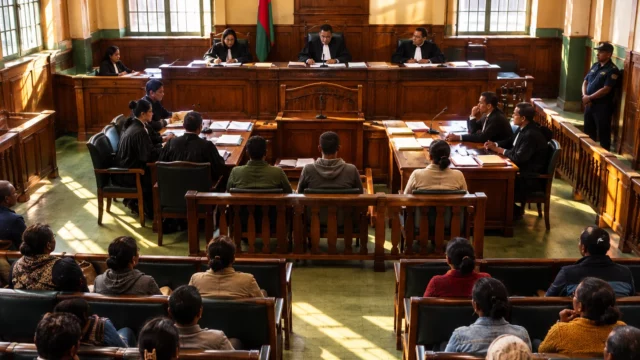
This shift came amid a wave of protests by young demonstrators in Antananarivo, angered by worsening daily conditions and public promises they considered unfulfilled. The High Constitutional Court then declared the office of president vacant, after which the military authorities were called upon to exercise the functions of head of state pending a new political order.
The SADC, the Southern African Development Community, is following the issue closely. As early as December 2025, its heads of state asked the Malagasy authorities for a report on preparations for dialogue and a national roadmap, while reaffirming their commitment to a return to constitutional order.
From national dialogue to referendum: Madagascar’s timetable takes shape
The central issue now is the electoral sequence. Signs accumulating since the start of 2026 point to a constitutional referendum expected in June 2027, followed by a presidential election in autumn 2027, according to several elements of the timetable published by the CENI and reported in the regional press. Madagascar’s Independent National Electoral Commission, for its part, has begun a complete overhaul of the electoral rolls and national register, an essential step before any credible vote.
This process is not merely administrative. It says something about how Madagascar is seeking to emerge from a political crisis familiar across the region: a contested government, an army acting as arbiter, then an effort to restore institutional normality under regional scrutiny. The CENI has said the aim of the renewal is to ensure credible and peaceful elections. The SADC, meanwhile, has called for inclusive dialogue led by the Malagasy people, with political exiles also able to take part.
The transitional authorities have also sought to reassure the outside world. In February 2026, Michaël Randrianirina was received at the Élysée Palace by Emmanuel Macron. The joint communiqué confirmed a 24-month timeframe set by the Malagasy authorities for the renewal process, as well as French support presented as compatible with a timetable for free and transparent elections.
This Franco-Malagasy meeting matters, but it is not enough on its own to stabilise the process. In an island country facing economic, climate and social vulnerabilities, an end to the crisis depends first and foremost on trust between institutions, parties, civil society and voters. The issue is less the date of an election than whether its rules will be accepted.
What this period means for Madagascar and the wider southern African region
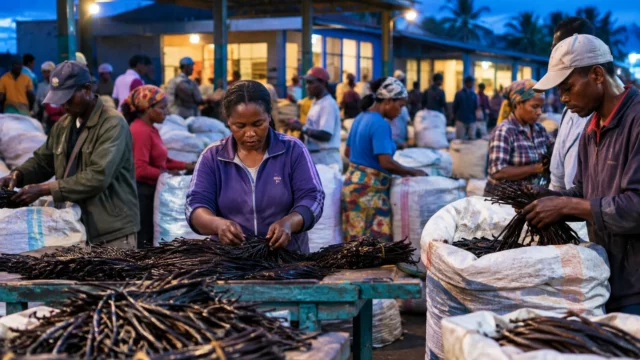
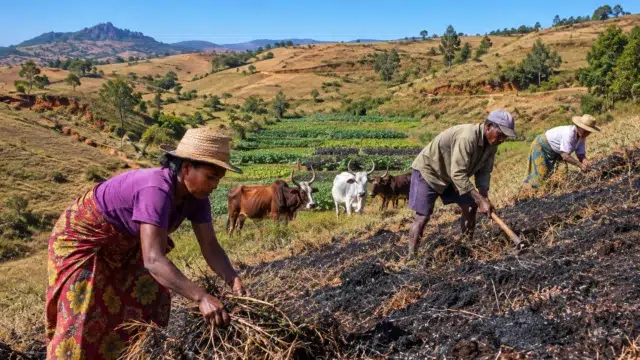
For the Malagasy people, the announced timetable carries different weight in different communities. In the capital, debate centres on the Constitution, the transition and the role of the army. In the regions, priorities are often more immediate: access to water, electricity, roads, healthcare and income. Urban young people, who were behind the 2025 movement for change, are waiting for swift answers. The civil service, meanwhile, must get a weakened state back on its feet without giving the impression that a transition has become routine.
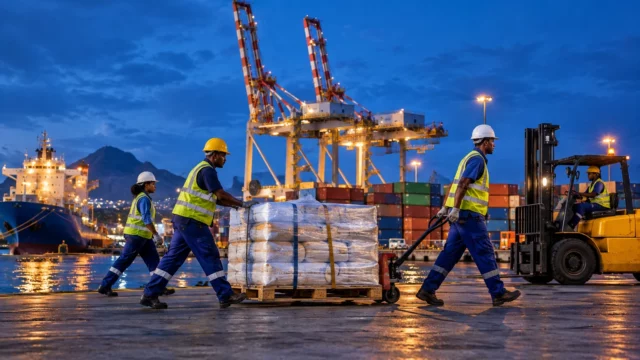
The regional dimension is just as important. Madagascar belongs to the SADC, which has made political stability, regional integration and value chains central areas of work. At its 2026 summits, the organisation continued to monitor the situation in Madagascar, while reiterating its interest in resilience, industrialisation and the energy transition across southern Africa. For Antananarivo, this means the transition is not just a matter for a provisional government: it also shapes the country’s credibility with its neighbours and financial partners.
The situation in Madagascar also resonates across the continent. The African Union and the SADC are watching this kind of transition cautiously, as there is always a risk of setting a precedent: if the roadmap is clear, inclusive and followed on time, the return to constitutional order can be consolidated. If deadlines slip, the transition may become entrenched and fuel fresh tensions. Madagascar is therefore at a point of balance. The country can still turn a political rupture into institutional renewal. But that requires more than simply announcing the 2027 referendum: it will have to be prepared, debated and accepted, from central Antananarivo to the farthest reaches of Malagasy territory.