Algeria
 Egypt
 Libya
 Morocco
 Sudan
 Tunisia
 Benin
 Burkina Faso
 Cabo Verde
 Côte d'Ivoire
 Ghana
 Guinea
 Guinea-Bissau
 Liberia
 Mali
 Mauritania
 Niger
 Nigeria
 Senegal
 Sierra Leone
 The Gambia
 Togo
 Cameroon
 Central African Republic
 Chad
 DR Congo
 Equatorial Guinea
 Gabon
 Republic of the Congo
 São Tomé and Príncipe
 Burundi
 Comoros
 Djibouti
 Eritrea
 Ethiopia
 Kenya
 Madagascar
 Malawi
 Mauritius
 Mozambique
 Rwanda
 Seychelles
 Somalia
 Tanzania
 Uganda
 Angola
 Botswana
 Eswatini
 Lesotho
 Namibia
 South Africa
 Zambia
 Zimbabwe
When aid becomes scarcer than need
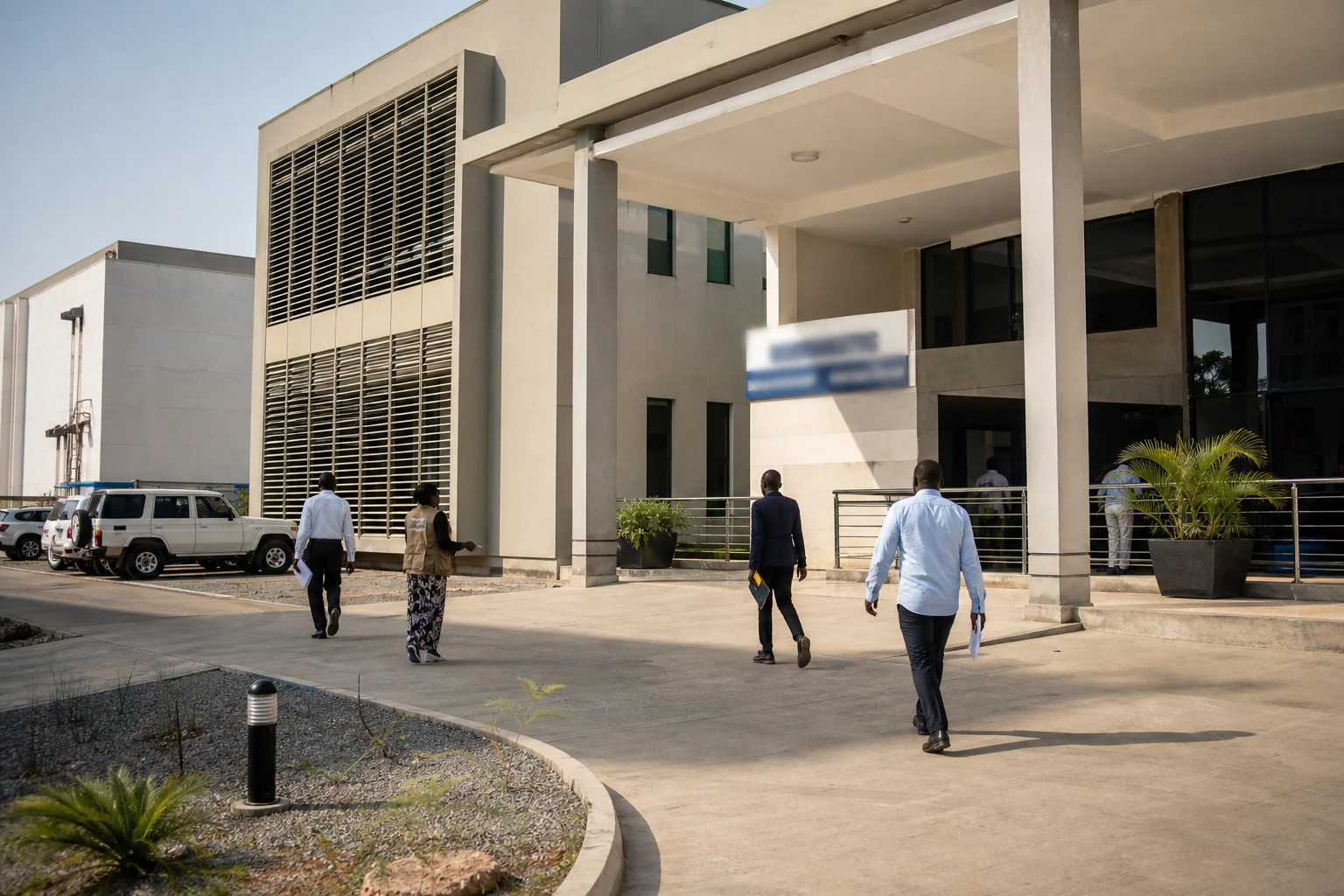
In Juba, the capital of South Sudan, the question is no longer simply who will eat today. It is who will make it through to the next rainy season, and who will be left behind if distributions stop. In a country where more than half the population already faces acute food insecurity, every funding shortfall turns a chronic crisis into an immediate emergency.
South Sudan is not an isolated island. It belongs to the Intergovernmental Authority on Development, IGAD, and the East African Community, EAC, of which it has been a full member since 5 September 2016. This matters because the shocks hitting the country are already spreading across the region: the war in Sudan, population displacement, disrupted trade routes and pressure on neighbouring countries.
Funding warning amid widespread hunger
The World Food Programme warned on 15 September 2026 that just over one million vulnerable people could lose access to food and nutrition assistance by October unless new funding is secured. The agency says it faces an immediate shortfall of $86 million, followed by a total funding need of $416 million over six months to maintain its operations in South Sudan.
The humanitarian situation remains extremely severe. According to the United Nations and its technical partners, 7.8 million people face high levels of acute food insecurity between April and July 2026. Among them, 2.2 million children suffer from acute malnutrition, and 1.2 million pregnant or breastfeeding women urgently need nutritional support. These figures were confirmed by the IPC analysis, the international reference framework used to measure food crises.
The contrast is stark: the country remains dependent on assistance for a significant part of its population, even as its logistical capacity declines. The WFP has said that in 2026 the aid supply chain is becoming more fragile in several areas, notably because travel is becoming more expensive and convoys are facing access difficulties. In Malakal, in Upper Nile State, the agency even reported a sharp fall in pre-positioned stocks compared with last year.
War in Sudan also weighs on Juba
The other factor accelerating the crisis comes from the north. Since the outbreak of the conflict in Sudan in April 2023, South Sudan has been hosting refugees and returnees, while thousands of people cross the border each week in search of safety. The WFP reports around 3,000 arrivals a week from Sudan. UNHCR confirms more broadly that hundreds of thousands of people are now registered in the regional operation linked to the Sudan crisis, and that South Sudan is among the countries most exposed to cross-border movements.
This influx affects more than just transit centres. It also puts pressure on host communities, especially in areas near the border such as Renk and in the north of the country. Households that were already receiving partial assistance are seeing new displaced people arrive, while the local economy remains fragile, food prices are rising and public services are struggling to keep up. In practice, this creates competition among vulnerable groups: refugees, internally displaced people, returnees and host families often depend on the same meagre safety nets.
The problem is structural. The country remains highly dependent on oil, leaving public finances vulnerable to external shocks, production disruptions and political instability. The African Development Bank notes that South Sudan’s economy remains fragile, heavily reliant on oil and under constant humanitarian pressure. In other words, when aid declines, there is not yet a sufficiently robust national buffer to absorb the shock on a large scale.
What this says about East Africa
South Sudan illustrates a risk that extends beyond its borders: when humanitarian funding contracts at the same time as conflicts, climate disasters and displacement, the food crisis becomes regional. The EAC, which is committed to economic integration and free movement, faces a paradox: its member states increasingly share the same emergencies, but do not yet have the same capacity to respond.
What happens next will depend on three very concrete deadlines: the rapid mobilisation of funds to prevent distributions from being suspended in October, developments in the war in Sudan, and Juba’s ability to secure humanitarian and trade corridors. Without this, hunger in South Sudan will remain less a passing crisis than an enduring test for all of East Africa, from the Sudanese border to the region’s capitals.