Algeria
 Egypt
 Libya
 Morocco
 Sudan
 Tunisia
 Benin
 Burkina Faso
 Cabo Verde
 Côte d'Ivoire
 Ghana
 Guinea
 Guinea-Bissau
 Liberia
 Mali
 Mauritania
 Niger
 Nigeria
 Sierra Leone
 The Gambia
 Togo
 Cameroon
 Central African Republic
 Chad
 DR Congo
 Equatorial Guinea
 Gabon
 Republic of the Congo
 São Tomé and Príncipe
 Burundi
 Comoros
 Djibouti
 Eritrea
 Ethiopia
 Kenya
 Madagascar
 Malawi
 Mauritius
 Mozambique
 Rwanda
 Seychelles
 Somalia
 South Sudan
 Tanzania
 Uganda
 Angola
 Botswana
 Eswatini
 Lesotho
 Namibia
 South Africa
 Zambia
 Zimbabwe
In Kédougou, a health alert that crosses borders
In eastern Senegal, diphtheria is not simply advancing as another infectious disease. Above all, it shows how an alert raised far from Dakar can quickly become a national issue. When an outbreak appears in a border area, the question is never solely medical. It also concerns surveillance, child vaccination and the movement of people between neighbouring countries.
The first signal was detected in Kédougou, with a case recorded on 1 August 2026, according to the latest update made public by the health authorities. Since then, the disease has spread to several regions of the country, confirming that the response cannot be confined to a single district. In West Africa, exchanges between Senegal, Mali, Mauritania and Guinea make such outbreaks particularly sensitive, especially when routine vaccines do not reach all families at the same pace.
What the figures say—and what they reveal
As of 9 September 2026, Senegal had recorded 57 confirmed cases and eight deaths since the first case was detected, according to the Ministry of Health and Public Hygiene, as reported by APS. The same situation report detailed an increase of 23 cases and two deaths in less than a week, compared with 4 September. Kédougou region remained the epicentre, with 27 cases, while Dakar, Louga, Thiès and other regions were also beginning to report cases.
The following day, new information helped clarify the local situation. In Kédougou and Saraya, investigations confirmed 12 additional cases, and health services said that several deaths among children under five were still being verified. On 14 September, a first death was also confirmed in Bakel, in Tambacounda region, involving a two-year-old child originally from Mali. This succession of alerts shows that the disease is no longer confined to the Kédougou area alone.
Diphtheria is nevertheless preventable through vaccination. Health authorities say its warning signs are well known: sore throat, fever, difficulty swallowing, hoarseness, swelling of the neck and, in severe cases, breathing difficulties. It is transmitted mainly through the respiratory route, but also through contact with contaminated objects. The advice in response is simple: check children’s vaccination status under the Expanded Programme on Immunisation, complete any missed doses and seek medical attention without delay if symptoms appear.
This recommendation comes as Senegal has strengthened its vaccination schedule. The World Health Organization confirmed the introduction of the hexavalent vaccine into the Expanded Programme on Immunisation on 1 July 2025. The vaccine protects against diphtheria, tetanus, whooping cough, hepatitis B, Hib infections and poliomyelitis. For infants, it reduces the number of injections and can make it easier for families to adhere to routine vaccination.
A response involving public health, mobility and trust
The crux of the problem is familiar to epidemiologists: the more a preventable disease circulates in areas with incomplete vaccination coverage, the more opportunities it finds to spread. At African level, the WHO said in December 2025 that more than 90% of cases reported on the continent affected children who were unvaccinated or insufficiently vaccinated. The organisation also noted that falling immunisation coverage, weaknesses in primary care and service disruptions in conflict zones all encourage the resurgence of this type of outbreak.
In Senegal, the challenge is twofold. On the one hand, eastern regions such as Kédougou and Tambacounda must contend with active borders and movement linked to work, trade and cross-border families. On the other, densely populated urban areas, notably Dakar and Thiès, present a different environment, where close contact can accelerate transmission if chains of infection are not quickly broken. The response must therefore combine local surveillance, laboratory confirmation, targeted vaccination and clear communication with parents.
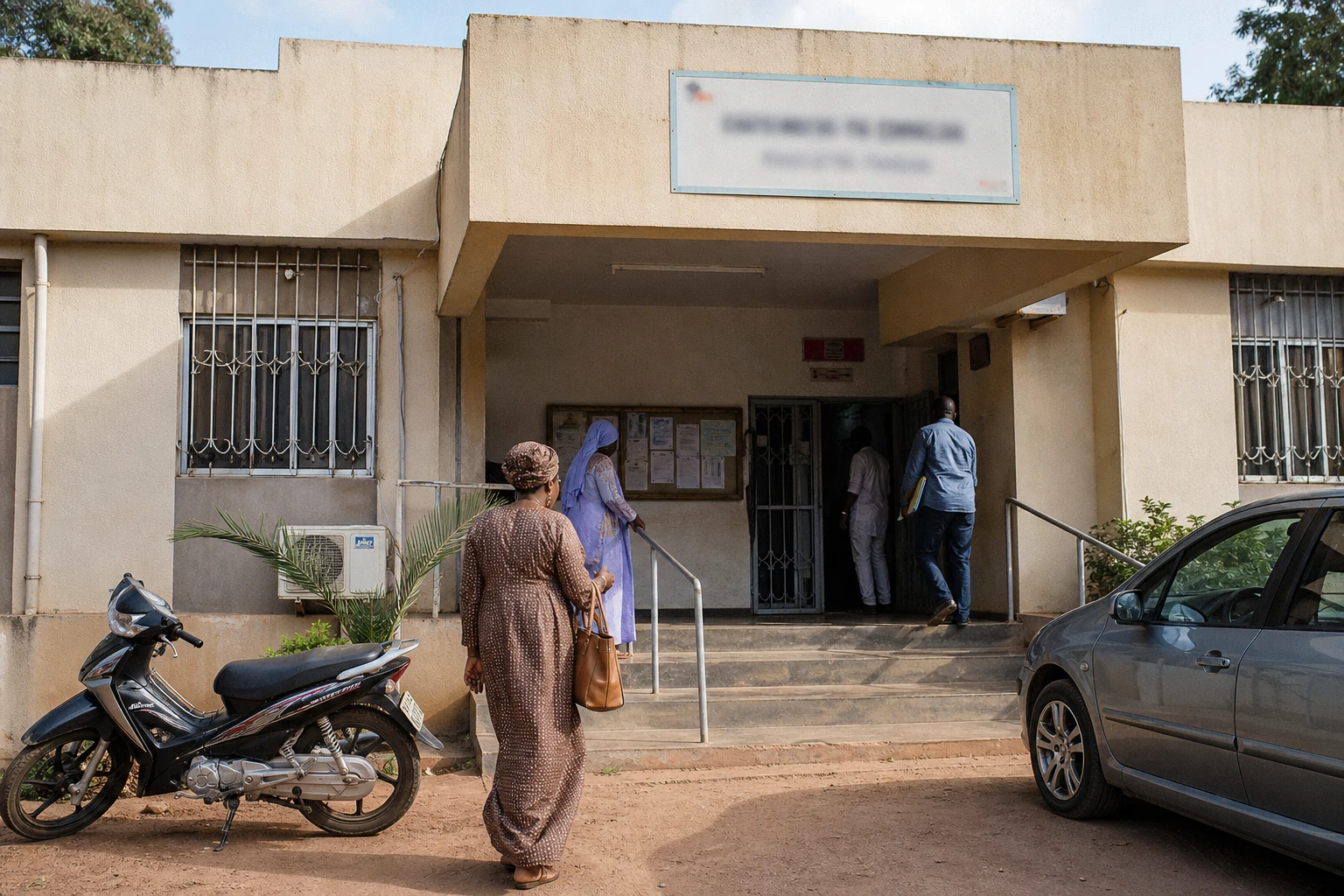
The situation also highlights a point that is often underestimated: public health is not managed only in the hospitals of the capital, but also in health districts, health posts and community networks. In remote areas, a suspected case that is not reported in time can delay the entire response chain. This is precisely why the authorities are stressing the need for early consultations and the prohibition of self-medication. The aim is not only to save the lives of those already affected, but to prevent silent outbreaks from turning into wider waves of infection.
Senegal is not alone in facing this challenge. In 2025, the WHO reported diphtheria outbreaks in several countries in the region, including Mali, Mauritania, Guinea, Niger and Nigeria. The response therefore cannot be strictly national. In the ECOWAS region, where cross-border movement is a daily occurrence, shared surveillance and rapid reporting between countries remain essential to prevent the same chains of infection from moving from one border to another.
The continental significance is clear. Diphtheria says something about health in Africa today: progress has been made and the tools are available, but protection is real only if it reaches every child, including those in remote, border or socially vulnerable areas. Senegal, with its new vaccination strategy and surveillance systems, is at a pivotal moment. The coming weeks will show whether the outbreak remains contained around the clusters already identified or whether other regions will also need to step up their vigilance.