Algeria
 Egypt
 Libya
 Morocco
 Sudan
 Tunisia
 Benin
 Burkina Faso
 Cabo Verde
 Côte d'Ivoire
 Ghana
 Guinea
 Guinea-Bissau
 Liberia
 Mali
 Mauritania
 Niger
 Nigeria
 Senegal
 Sierra Leone
 The Gambia
 Togo
 Cameroon
 Central African Republic
 Chad
 DR Congo
 Equatorial Guinea
 Gabon
 Republic of the Congo
 São Tomé and Príncipe
 Burundi
 Comoros
 Djibouti
 Eritrea
 Ethiopia
 Kenya
 Madagascar
 Malawi
 Mauritius
 Mozambique
 Rwanda
 Seychelles
 Somalia
 South Sudan
 Tanzania
 Uganda
 Angola
 Botswana
 Eswatini
 Lesotho
 Namibia
 South Africa
 Zambia
A step-change in financing for Karo
In Zimbabwe’s mines, money is not just for digging deeper. It also helps secure the schedule, reassure lenders and deliver on an industrial promise. That is precisely what is at stake with Karo Platinum, a platinum project on the Great Dyke, west of Harare.
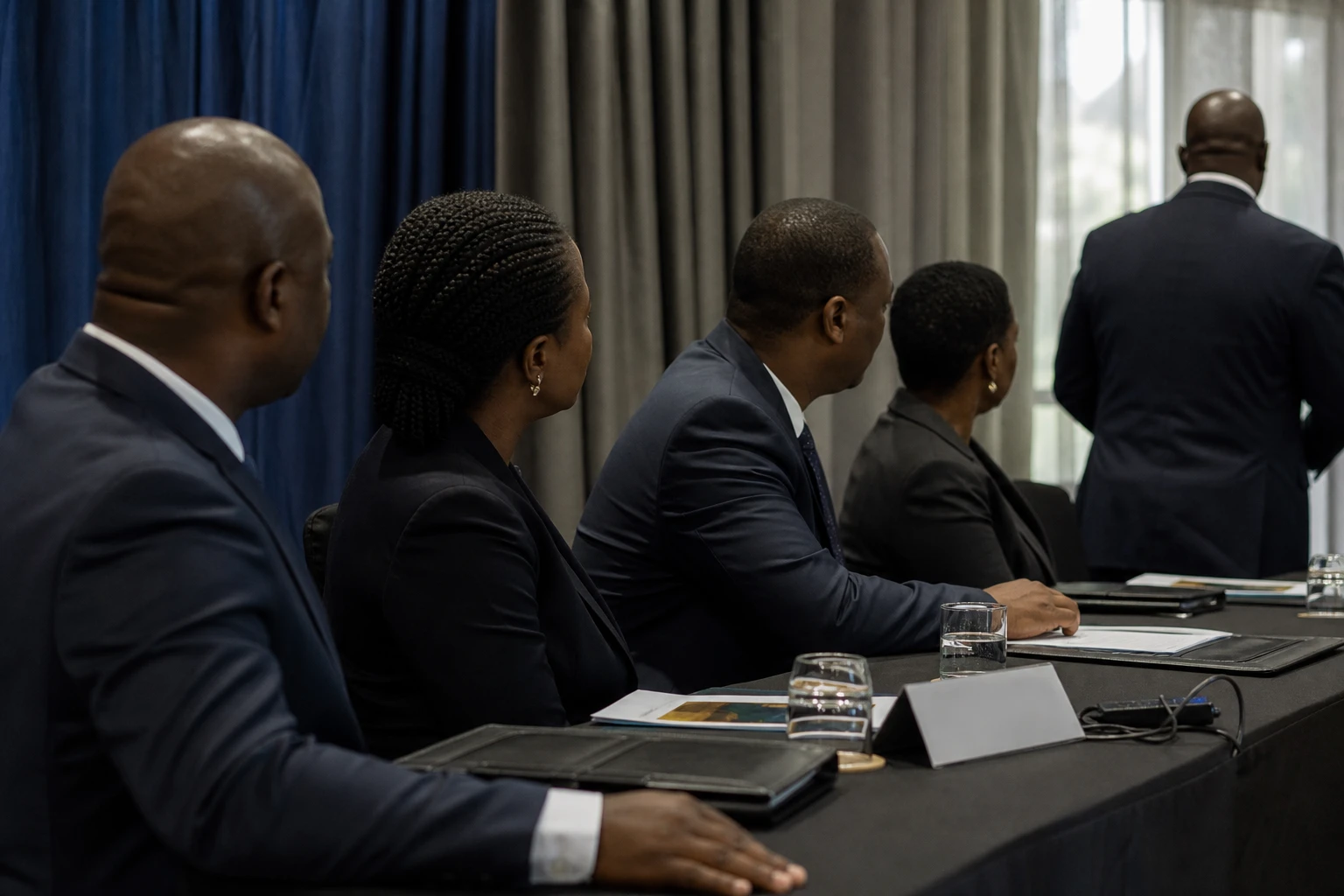
On 2 September 2026, Tharisa announced plans for a $300 million senior secured bond issue. The proceeds are to fund construction work on the Karo project and complement a financing package that has been under way for several years. The transaction was arranged with DNB Carnegie, HSBC and Absa as intermediaries, according to the group’s stock exchange announcement.
This latest financing round does not come in isolation. A few days earlier, on 24 August 2026, Karo Platinum signed a Special Mining Lease Agreement with the Zimbabwean government, setting out a long-term tenure and a stable tax framework. Zimbabwean mining law provides that such a lease may not exceed 25 years, renewable subject to conditions.
Zimbabwe seeks to turn its mineral wealth into sustainable revenue
In Zimbabwe, platinum remains one of the mainstays of mining exports, alongside gold, lithium and chrome. Central bank and ZIMSTAT figures show that platinum group metals (PGMs) continue to contribute to the country’s external earnings, even as volumes fluctuate from month to month. In January 2026, PGM exports fell to $104.4 million, from $209.2 million the previous month, highlighting the sector’s exposure to market cycles and production disruptions.
For several years, the Zimbabwean government has sought to move up the mineral value chain, with more local processing and greater value capture. The Ministry of Mines says the country has significant geological potential, particularly on the Great Dyke, which hosts some of the world’s largest platinum resources.
Against this backdrop, Karo is more than a private construction project. It is a test of the credibility of the country’s mining policy. If it moves forward, it could bolster export earnings, direct and indirect employment, and revenue linked to the state’s shareholding. Zimbabwe holds a free-carried interest of 15% in Karo Platinum through Generation Minerals.
What the project figures show
Karo Platinum is 85% owned by Karo Mining Holdings, with Tharisa as its major shareholder. According to information published about the mining lease and financing, the project covers 23,903 hectares and targets first-phase production of 226,000 ounces of PGMs a year. Group executives have also said that about $240 million had already been invested before the new fundraising announced in early September.
The industrial timetable remains tight. Tharisa has indicated that production is expected to begin in the fourth quarter of 2027. This confirms that the project is entering its most costly phase, when spending on infrastructure, equipment and mine preparation weighs most heavily on cash flow. The group has also said that market conditions have attracted interest from investors in Europe, the Middle East and Asia.
The financing framework nevertheless remains sensitive. Karo has seen several cost revisions over recent months, a common occurrence on large mining projects. Market sources were already pointing in 2025 to a total funding requirement higher than the initial estimates, at around $546 million. Such cost overruns extend the financing period and increase the importance of tax and commercial agreements reached with the state.
Practical implications for Harare, mining regions and southern Africa
For Harare, the stakes go beyond the signing of a lease. A project such as Karo can create jobs, business for local subcontractors and revenue for public authorities. Tharisa cites a figure of more than 3,000 jobs in the long term. The group has also referred in some recent communications to an initial phase involving more than a thousand positions. These figures should be treated as project targets until operations ramp up.
For communities around the Great Dyke, the questions are more immediate: access to jobs, transport, services, pressure on land and the sharing of benefits. In large-scale mining, value is not limited to the ore extracted. It is also shaped by roads, water, energy, subcontracting and the state’s ability to enforce social and tax commitments. This is where regulation matters as much as financing.
The project also resonates across the SADC, the Southern African Development Community. The regional bloc is seeking to strengthen industrialisation, local processing of raw materials and the movement of African capital. A project such as Karo shows that southern Africa can still attract substantial international financing, provided the legal framework is clear and political risk is contained.
At the continental level, the message is clear: major African mining projects are no longer decided by geological discoveries alone. They depend on states’ ability to negotiate, companies’ ability to finance and regions’ ability to absorb industrial impacts. Zimbabwe, which wants to make the extractive sector an engine of growth, must now turn this financing into visible construction work and then into steady production. Everything will depend on this chain, well before the first tonne of concentrate is produced.