Algeria
 Libya
 Morocco
 Sudan
 Tunisia
 Benin
 Burkina Faso
 Cabo Verde
 Côte d'Ivoire
 Ghana
 Guinea
 Guinea-Bissau
 Liberia
 Mali
 Mauritania
 Niger
 Nigeria
 Senegal
 Sierra Leone
 The Gambia
 Togo
 Cameroon
 Central African Republic
 Chad
 DR Congo
 Equatorial Guinea
 Gabon
 Republic of the Congo
 São Tomé and Príncipe
 Burundi
 Comoros
 Djibouti
 Eritrea
 Ethiopia
 Kenya
 Madagascar
 Malawi
 Mauritius
 Mozambique
 Rwanda
 Seychelles
 Somalia
 South Sudan
 Tanzania
 Uganda
 Angola
 Botswana
 Eswatini
 Lesotho
 Namibia
 South Africa
 Zambia
 Zimbabwe
A case that goes beyond the court pages
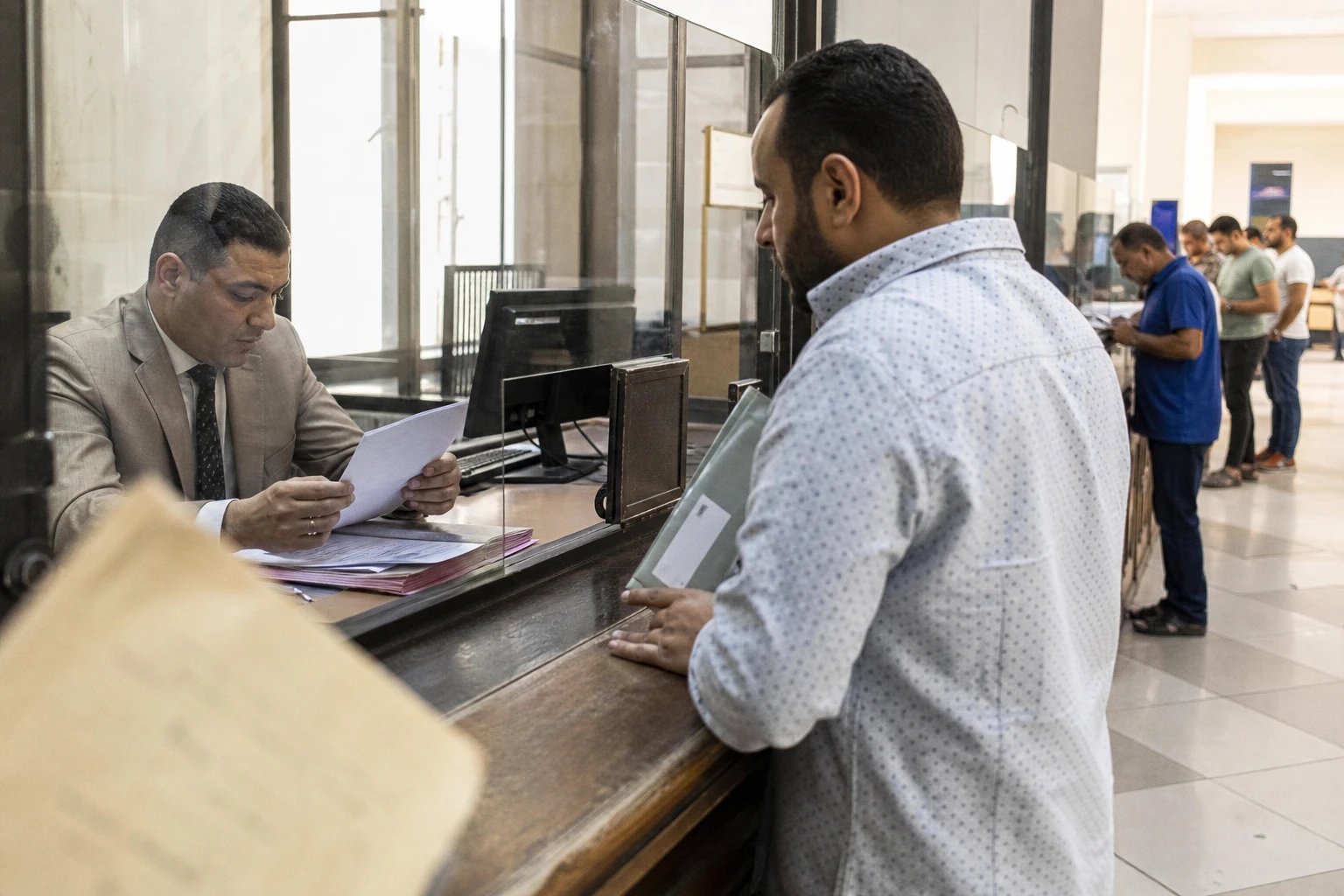
In Egypt, a death sentence never tells only the story of a criminal case. It also speaks to the importance placed on security, the control of criminal networks and the justice system in a country where courts still handle sensitive cases with considerable symbolic weight. In this case, Cairo’s courts came down hard on a group accused of organising the import of substances used to make drugs and then putting them on the market.
The Egyptian context matters. The country applies the death penalty for several crimes, including premeditated murder, terrorism, certain forms of rape and drug trafficking. Consulting the Grand Mufti before a capital verdict is part of the procedure required under Egyptian law; the opinion is advisory, but remains an important institutional step.
What the Cairo court decided
On Saturday 5 September 2026, the Cairo Criminal Court, sitting in New Cairo, sentenced Sarah Khalifa, a television presenter and producer, and 11 other defendants to death by hanging. According to reports published by the Egyptian state press, the court found them guilty of forming a criminal organisation specialising in importing raw materials used to make narcotics for sale. The defendants were also convicted of illegally possessing firearms and ammunition.
The authorities say they seized more than 750 kilograms of drugs and raw materials, as well as tools and machines used in two flats described as laboratories. The case initially involved 28 people, including Sarah Khalifa’s brother. Several defendants were acquitted, while others received prison sentences, according to Egyptian press reports.
The verdict was handed down after the case was referred to the Grand Mufti, a required step before capital sentences in Egypt. The condemned still have avenues of appeal, including an appeal and, depending on the case, a further appeal to the court of cassation. In practice, the procedure shows that capital punishment remains subject to several levels of judicial and religious scrutiny, even though the outcome carries grave consequences.
A criminal case, but also a test of public image
In the eyes of the public, Sarah Khalifa is no ordinary defendant. Aged 39, she is known as a media personality, businesswoman and host of programmes focused on security and crime. Her prominence gives the case particular significance: it involves a familiar face in Egyptian public life, not merely an anonymous trafficking network. In a country where presenters and influencers command large audiences, the judicial downfall of a media personality fuels debate about the boundary between image, social capital and criminal responsibility.
At its core, the case forms part of Egypt’s strategy to crack down on narcotics and organised networks. The authorities cite major seizures, digital messages, photographs and videos in support of their case. This kind of evidence also shows how criminal investigations in Egypt are changing: physical and digital evidence are playing an increasingly prominent role in proceedings, particularly when cases involve multiple defendants and transnational supply networks.
But judicial severity has a downside. Human rights organisations point out that the death penalty is often imposed in Egypt for offences that do not involve intentional homicide. Amnesty International said Egypt was among the countries in the Middle East and North Africa region that carried out executions in 2025, and that death sentences were still being handed down there for crimes such as drug trafficking. The organisation also recorded 492 new death sentences in Egypt in 2025.
What this says about Egypt and the region
Egypt is not alone in this. Across the Arab and North African region, the death penalty remains in use as an instrument of deterrence and penal sovereignty, although its application divides legal experts and human rights advocates. Egypt occupies a distinctive position: it retains the punishment within a structured judicial system, while linking it to a religious consultation procedure and official rhetoric about protecting public order.
For the public, the stakes are tangible. In urban neighbourhoods affected by the spread of synthetic drugs, the state’s response is often judged by its ability to dismantle networks rather than focus solely on symbolic cases. For the authorities, the message is different: neither fame nor social connections offer protection from serious criminal proceedings. For the justice system, the case becomes a test of credibility, because the severity of the sentence inevitably draws attention to the quality of the evidence and the guarantees of a fair trial.
Across Africa, the case is a reminder of a broader reality: several states on the continent continue to use capital punishment for serious or controversial crimes, while others are reducing, suspending or reforming its use. The contrast is stark between countries moving towards abolition and those maintaining a policy of exemplary punishment. In Egypt, the case should chiefly be followed through the announced appeals, as that is where the sentence handed down in Cairo will be upheld, reduced or overturned.