Algeria
 Libya
 Morocco
 Sudan
 Tunisia
 Benin
 Burkina Faso
 Cabo Verde
 Côte d'Ivoire
 Ghana
 Guinea
 Guinea-Bissau
 Liberia
 Mali
 Mauritania
 Niger
 Nigeria
 Senegal
 Sierra Leone
 The Gambia
 Togo
 Cameroon
 Central African Republic
 Chad
 DR Congo
 Equatorial Guinea
 Gabon
 Republic of the Congo
 São Tomé and Príncipe
 Burundi
 Comoros
 Djibouti
 Eritrea
 Ethiopia
 Kenya
 Madagascar
 Malawi
 Mauritius
 Mozambique
 Rwanda
 Seychelles
 Somalia
 South Sudan
 Tanzania
 Uganda
 Angola
 Botswana
 Eswatini
 Lesotho
 Namibia
 South Africa
 Zambia
 Zimbabwe
A factory is more than a production line
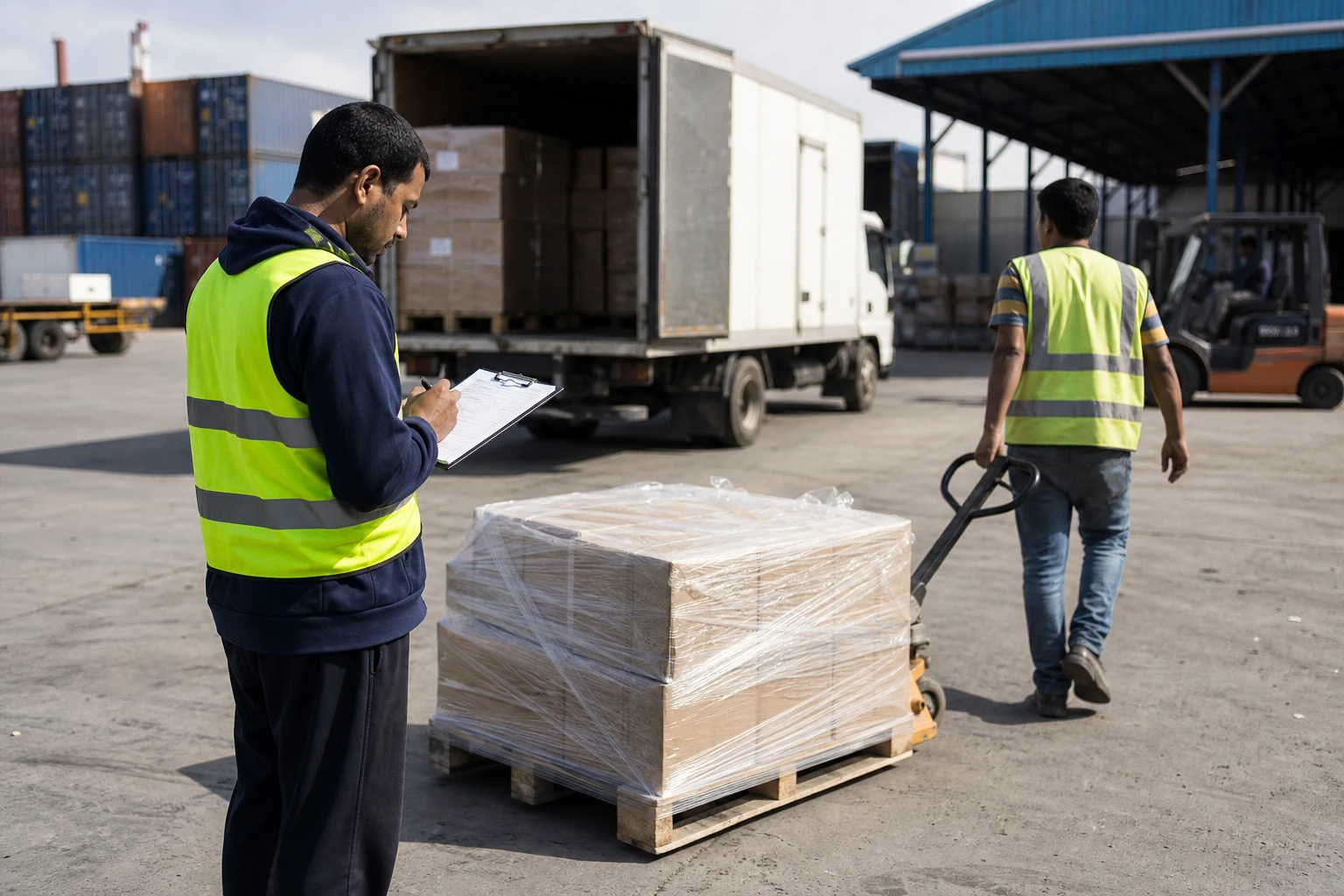
In the Ain Sokhna zone, east of Cairo, industrial announcements are no longer mere window-dressing. They point to something broader: Egypt is seeking to manufacture more on its own soil, process its raw materials faster and secure jobs that until recently went elsewhere. Amid pressure on purchasing power and demand for stable positions, every workshop that opens matters as much to families as it does to the country’s external accounts.
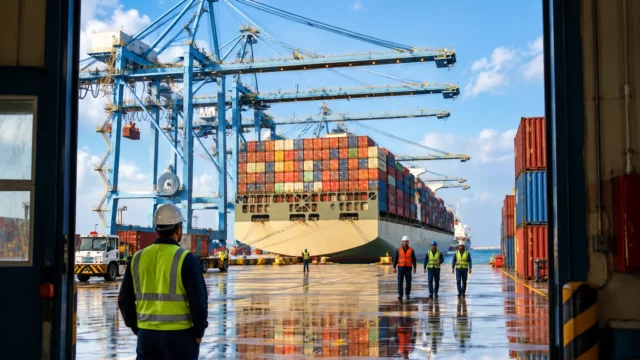
This strategy is taking shape in an area that has become central to the Egyptian economy: the Suez Canal Economic Zone, designed as an industrial and logistics corridor linking the Red Sea, the Mediterranean and African, Arab and European markets. Its structure is based on several hubs, including Sokhna, East Port Said and Qantara. It aims to attract investors, but also to anchor local value chains, an ambition the authorities now present as a pillar of the country’s economic policy.
Nine projects, several sectors, one goal
On Sunday 6 September 2026, Egyptian Prime Minister Moustafa Madbouly inaugurated nine industrial projects and factory expansions in the integrated industrial zone of Sokhna, within the SCZONE. Announced investment totals $84.5 million, for about 2,000 direct and indirect jobs, according to an official statement issued by the Cabinet.
The facilities span a range of sectors: textiles, furniture, food processing, fertilisers, mining industries, medical equipment and ambulance refurbishment. This is significant. Industrial diversification reduces dependence on a single sector and can absorb different types of labour, from technicians and workshop workers to maintenance and logistics staff. In a country of more than 100 million people, where formal employment remains a major issue, the range of sectors matters as much as the amount invested.
During the visit, Moustafa Madbouly stressed the zone’s logistical advantages: proximity to ports, integrated infrastructure and rapid access to markets. The message is clear. The Egyptian state wants to make Sokhna a gateway for productive investment, not merely an assembly site serving the domestic market. This approach aligns with the policy of industrial localisation: manufacturing locally goods that were previously imported, in order to limit foreign-currency outflows and expand exports.
Industrial development is moving ahead at a steady pace
Figures released by the authorities give a sense of this expansion. The SCZONE says it has 212 operational factories, with nearly 140 new facilities brought into service over the past four years and 176 more under construction. The total could eventually approach 400 factories. On the same day, the government said the zone now employs tens of thousands of Egyptians.
This progress has not happened all at once. It builds on a series of projects already launched, particularly in textiles, construction panels, industrial equipment and high-value-added chemicals. The SCZONE is also attracting Chinese, Turkish, Saudi and Egyptian capital, a sign that the site has become a competitive platform for manufacturers seeking to produce close to shipping routes and export quickly.
In this landscape, the “Alpha Smart” project, announced in April 2026 for $100 million, remains a useful indicator of the approach: targeted investment, the promise of direct jobs and a knock-on effect for subcontractors. The same applies to the tyre, textile and phosphate factories multiplying in the same zone. Egypt is not simply seeking to attract capital; it wants to consolidate a productive base capable of supplying both the domestic market and exports.
What this means for the Egyptian economy
The most visible gain is employment. CAPMAS reported an unemployment rate of 5.8% in the second quarter of 2026, a relatively low level by regional standards, although the quality of jobs and their geographical distribution remain key questions. The government is therefore relying on industrial zones that can turn investment announcements into tangible positions, particularly for young graduates, technicians and skilled workers.
But the stakes go beyond labour statistics. For the Egyptian economy, the issues also include foreign currency, imports and the country’s place in value chains. Producing fertilisers, mining components, textiles or medical equipment in Sokhna can reduce some imports and enable exports of higher-value goods. It could also boost dollar revenues, which are essential for a country keeping a close eye on its external balance.
For businesses, the SCZONE offers a more straightforward environment than other administrative areas: a port, industrial zone, logistics and simplified procedures. For workers, the impact will depend on how quickly facilities actually come into operation, wages and skills development. For neighbouring areas, especially in the east of the country, industrial development can support services, transport, housing and the informal activities that grow up around production sites. This is often where a project’s real impact is felt: beyond the inaugurations, in the everyday circuits of employment.
An impact beyond Egypt
Sokhna’s trajectory is attracting interest beyond the Egyptian state. Across Africa, it illustrates a broader trend: countries with port infrastructure, a large domestic market and a degree of regulatory stability are seeking to move up the industrial value chain. In the context of the African Continental Free Trade Area, this approach could strengthen intra-African trade, provided that the goods produced are genuinely integrated into the continent’s markets rather than aimed solely at distant export destinations.
The next point to watch is the industrial timetable itself: how many of the projects announced in September 2026 will actually enter production within 12 to 24 months? The Egyptian authorities have set the course. The challenge now will be to turn inaugurations into manufactured volumes, wages paid and sustainable exports. Only then can Sokhna establish itself as one of the most tangible faces of Egyptian industrialisation.