Algeria
 Egypt
 Libya
 Morocco
 Sudan
 Tunisia
 Benin
 Burkina Faso
 Côte d'Ivoire
 Ghana
 Guinea
 Guinea-Bissau
 Liberia
 Mali
 Mauritania
 Niger
 Nigeria
 Senegal
 Sierra Leone
 The Gambia
 Togo
 Cameroon
 Central African Republic
 Chad
 DR Congo
 Equatorial Guinea
 Gabon
 Republic of the Congo
 São Tomé and Príncipe
 Burundi
 Comoros
 Djibouti
 Eritrea
 Ethiopia
 Kenya
 Madagascar
 Malawi
 Mauritius
 Mozambique
 Rwanda
 Seychelles
 Somalia
 South Sudan
 Tanzania
 Uganda
 Angola
 Botswana
 Eswatini
 Lesotho
 Namibia
 South Africa
 Zambia
 Zimbabwe

An island known for its slopes, shaken by an unexpected tragedy
On Fogo, in the Cabo Verde archipelago, the road linking the volcanic highlands to the villages is more than a simple transport route. It also connects pupils, families and small community hubs on an island where every journey matters. When a vehicle full of children plunges into a ravine, the shock reverberates through an entire social fabric, far beyond the road accident itself.
The tragedy on Saturday on the route between Chã das Caldeiras and Campanas de Cima took on national dimensions within hours. The authorities and local media initially reported at least 24 deaths, followed by 25 fatalities and 14 injured. Discrepancies in the initial tolls are not unusual in this kind of disaster; above all, they reflect the difficulty of reaching the site and the slow process of identification.
What is known about the bus and the human toll
According to information confirmed from multiple sources, the bus was carrying 32 passengers, mostly pupils and relatives, on their return from an excursion to the volcanic site of Pico do Fogo. The vehicle is believed to have left the road before plunging some 30 metres into a ravine in a mountainous area that is difficult to access. The driver was among those killed.
The severity of the toll is also linked to the conditions of the journey. On an island such as Fogo, the terrain dictates narrow roads, sharp bends and limited safety margins. This geographical reality shapes everyday mobility, but it becomes tragic when a public transport vehicle plunges into the void. Rescue workers operated throughout the night, while the condition of some bodies led to early burials. Seven victims were buried overnight or at dawn, ahead of the rest of the funerals held on Sunday.
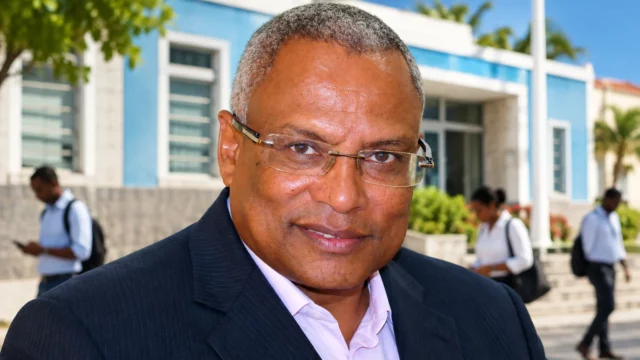
Cabo Verde’s president, José Maria Neves, travelled to the site and took part in the funeral ceremony. Prime Minister Francisco Carvalho and several members of the government also stood alongside the families. The authorities declared two days of national mourning, while the municipality of São Filipe announced local mourning and set up support services.
National mourning, but also a public safety issue
In Cabo Verde, a small island state in the western Atlantic, collective tragedies often have an immediate and far-reaching impact. The country’s size, the close ties between institutions and residents, and the central role of the islands in social life intensify the emotional impact. But the issue goes beyond emotion. It concerns road safety, the oversight of school excursions and the ability of public services to respond quickly in rugged terrain.
The case also raises questions about local decision-making. Who authorises this kind of trip? What technical checks are carried out on vehicles used to transport children? What training do drivers who regularly use mountain roads receive? The answers will be crucial, as they will determine whether this was an isolated accident or a structural vulnerability. For now, the authorities have focused on supporting families, identifying the bodies and providing psychological assistance.
The shock is all the greater because many of the victims were children and teenagers. This changes the nature of the mourning. It brings schools, social services, municipalities and religious communities into action. It also means thinking about families still waiting for answers, seriously injured people, and those who will have to rebuild their daily lives after a sudden loss. On an island where family support remains vital, the material and psychological burden extends well beyond the funerals themselves.
Regional implications: a reminder for island Africa and ECOWAS
Cabo Verde belongs to ECOWAS, the Economic Community of West African States. Across the region, questions of mobility, infrastructure, transport safety and child protection often surface in the background of political debates. The Fogo accident is a reminder that a small island country can face particular exposure to transport risks linked to terrain, remoteness and the vulnerability of secondary roads.
The events set in motion this weekend will also say something about how Cabo Verde manages emergencies. The state responded quickly, the president travelled to the site, the government declared national mourning, and local authorities played their part. This coordination between central government and municipalities matters in an archipelago where public action must contend with territorial dispersion. It will be closely watched in the coming days, as the authorities clarify the causes of the vehicle leaving the road and the preventive measures to be taken.
Beyond Cabo Verde, the disaster is a reminder of an often-overlooked truth: road safety is not only about motorways, but also about tracks, ravines, public transport vehicles and local oversight. On islands, as in remote inland areas, prevention depends on road maintenance, vehicle inspections, oversight of school trips and swift rescue services. That is where, in practical terms, the difference between an incident and a national tragedy is made.