Algeria
 Egypt
 Libya
 Morocco
 Sudan
 Tunisia
 Benin
 Burkina Faso
 Cabo Verde
 Côte d'Ivoire
 Ghana
 Guinea
 Guinea-Bissau
 Liberia
 Mali
 Mauritania
 Niger
 Nigeria
 Sierra Leone
 The Gambia
 Togo
 Cameroon
 Central African Republic
 Chad
 DR Congo
 Equatorial Guinea
 Gabon
 Republic of the Congo
 São Tomé and Príncipe
 Burundi
 Comoros
 Djibouti
 Eritrea
 Ethiopia
 Kenya
 Madagascar
 Malawi
 Mauritius
 Mozambique
 Rwanda
 Seychelles
 Somalia
 South Sudan
 Tanzania
 Uganda
 Angola
 Botswana
 Eswatini
 Lesotho
 Namibia
 South Africa
 Zambia
 Zimbabwe
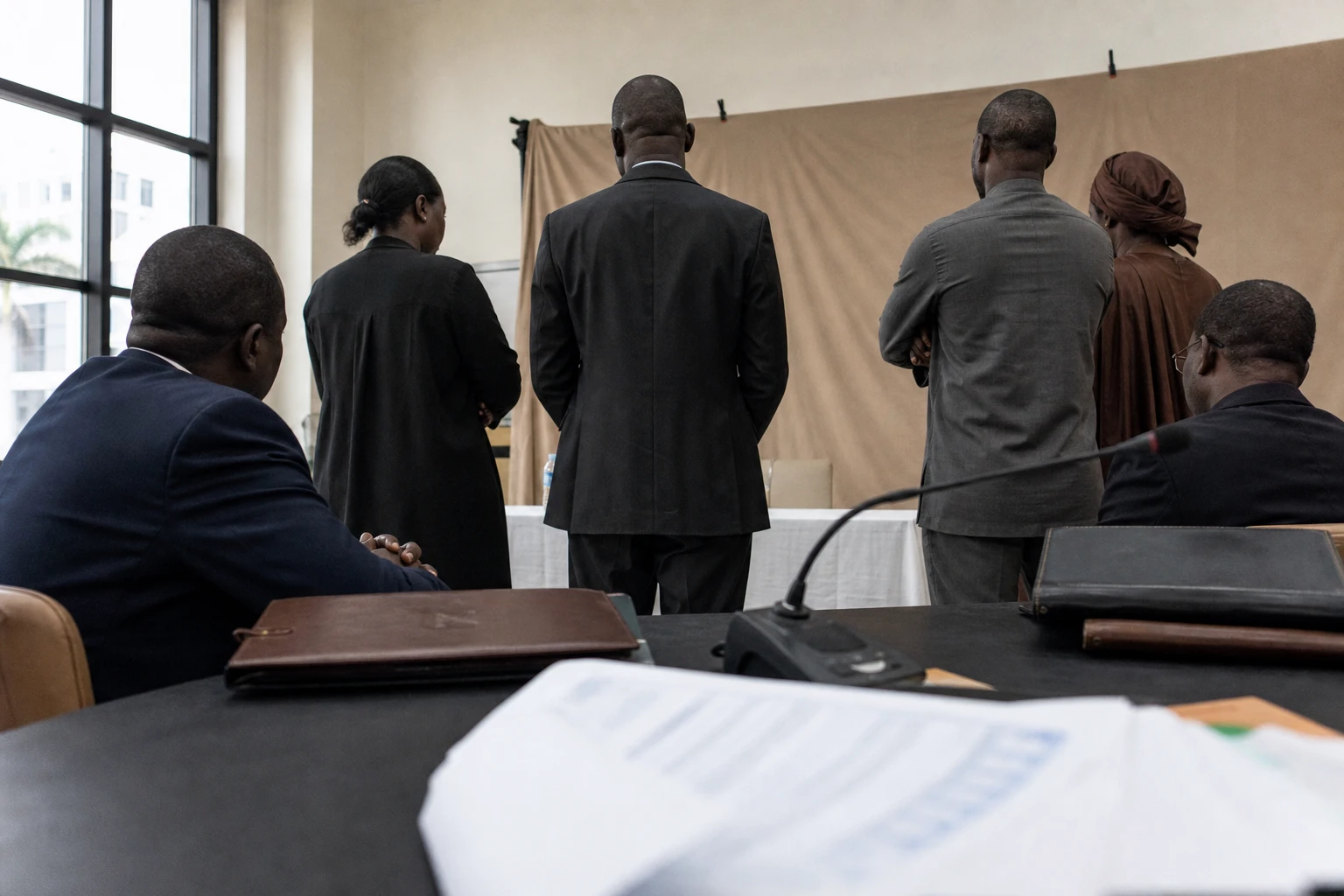
In Dakar, purchasing power has become a day-to-day concern
In the streets of Dakar, the protest is anything but abstract. It starts with the market, the rent, transport and the evening meal. On Saturday 5 September 2026, a march brought together hundreds of people to denounce the rising cost of living, in the wake of the citizen-led #30JoursPourLeJustePrix campaign, launched on social media a few days earlier. Accounts carried by several Senegalese and West African media outlets confirm the mobilisation, described as non-political and driven by influencers, citizens and consumers.
The starting point is simple: in Senegal, many urban households consider the prices of some basic goods and several services too high. In Dakar, reports have already highlighted soaring meat prices, with increases attributed to the high cost of animal feed and regional supply pressures. Meanwhile, the government adjusted fuel prices from 15 August 2026, explaining that the burden of energy subsidies was becoming difficult to sustain in the budget.
A citizens’ movement capturing wider economic tensions
The mobilisation in Dakar comes amid mounting budgetary and financial pressure. On 1 September 2026, the International Monetary Fund announced a staff-level agreement with the Senegalese authorities for a 36-month programme worth about $2.2 billion, intended to support economic and financial reforms. In its latest documents, the IMF also said Senegal’s debt had been revised to 132% of GDP for 2024 and remained at around 130% in 2025.
In Dakar, this macroeconomic backdrop has a very tangible face. When petrol, electricity, rice, meat, rent or leisure become more expensive, the effects spread quickly through a city where a large share of the economy remains informal and monthly spending is often decided from day to day. The #30JoursPourLeJustePrix campaign gained momentum precisely because it turned scattered frustrations into visible stories: till receipts, filmed shopping trips, rents considered unaffordable and services that have become too expensive for some middle-class households.
Housing is one focus of the discontent. In the Senegalese capital, rents are regularly cited as one of the heaviest items in household budgets. The debate therefore goes beyond food prices alone. It also concerns whether urban incomes can absorb rising fixed costs, in a city where access to stable employment is not keeping pace with unavoidable expenses.
What the streets reveal: demand for oversight, not just lower prices
The march in Dakar is not calling only for a one-off cut in prices. It reflects a broader demand for greater transparency, oversight and dialogue on how prices are set. The campaign’s organisers denounce increases they consider at times disconnected from real incomes. Their criticism resonates in debates over subsidies, electricity pricing and energy adjustments, as the state seeks to reduce its financial exposure without undermining social demand.
The government, for its part, has already begun reviewing its pricing policy for electricity and petroleum products in its budget documents, saying it wants to ease the burden of subsidies. The 2026 budget letter explicitly refers to this policy, while the official communication of 15 August 2026 set out the gaps between actual and administered prices. In practice, this means that some of the cost of reform could be passed on to households if protective measures do not keep pace.
This tension is not unique to Senegal, but it is particularly visible there. Dakar concentrates political power, services and media, as well as the effects of urban inflation. The regions face other shocks: transport costs, animal-feed prices, product availability and the movement of goods. When prices rise in the capital, the gaps widen further between salaried households, informal workers and rural families.
A Senegalese warning with resonance beyond the capital
For West Africa, this episode makes an important point: the cost of living can once again become the focus of rapid civic mobilisation outside traditional political frameworks. Senegal, a member of ECOWAS and WAEMU, is entering a delicate period in which budget reforms, debt management and the preservation of social peace must move forward together. Decisions taken in Dakar will therefore be closely watched across the sub-region, particularly because other economies face similar trade-offs between subsidies, public revenue and household protection.
What happens next will depend on the authorities’ ability to respond promptly to social anger. The most immediate milestone is budgetary: the supplementary finance bill announced after the technical agreement with the IMF must incorporate the new economic policy direction. At the same time, the citizens’ campaign has shown that in Senegal, discussion of prices is no longer confined to ministries. It is also taking place on phones, in working-class neighbourhoods and in the streets, where Senegalese people gauge every day the gap between macroeconomic figures and the reality of the household shopping basket.