Algeria
 Egypt
 Libya
 Morocco
 Sudan
 Tunisia
 Benin
 Burkina Faso
 Cabo Verde
 Côte d'Ivoire
 Ghana
 Guinea
 Guinea-Bissau
 Liberia
 Mali
 Mauritania
 Niger
 Nigeria
 Senegal
 Sierra Leone
 The Gambia
 Togo
 Cameroon
 Central African Republic
 Chad
 DR Congo
 Equatorial Guinea
 Gabon
 Republic of the Congo
 São Tomé and Príncipe
 Burundi
 Comoros
 Djibouti
 Eritrea
 Ethiopia
 Kenya
 Malawi
 Mauritius
 Mozambique
 Rwanda
 Seychelles
 Somalia
 South Sudan
 Tanzania
 Uganda
 Angola
 Botswana
 Eswatini
 Lesotho
 Namibia
 South Africa
 Zambia
 Zimbabwe
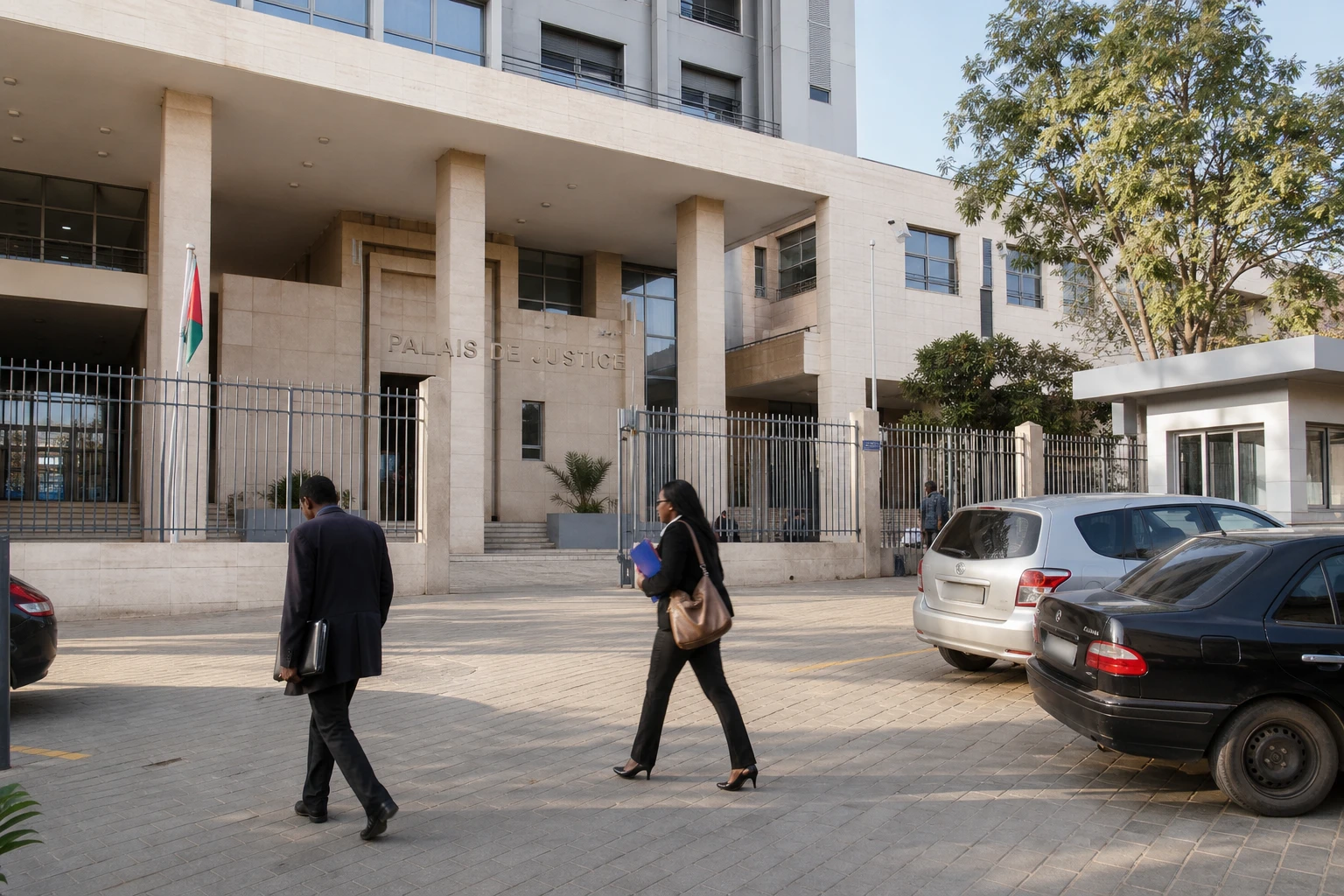
In Antananarivo, a verdict that goes beyond one name
In Madagascar, the fall of an official is measured not only by the length of a sentence. It also shows what the justice system intends to do — or not do — about the political violence that accompanied the major demonstrations of 2025 in Antananarivo.
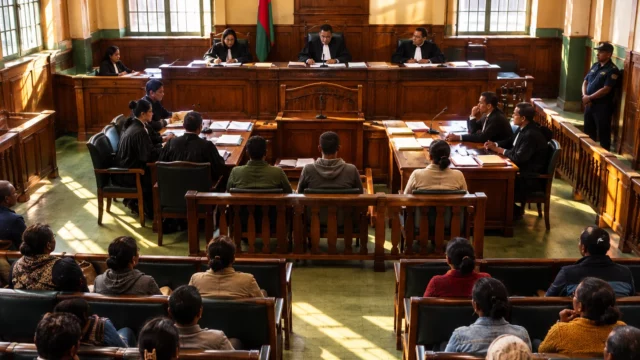
This time, the case concerns a former figure in the state apparatus, General Richard Ravalomanana, the former president of the Senate. According to several sources, he was sentenced to ten years of hard labour for his alleged role in the crackdown on Generation Z protests in the autumn of 2025. His defence has announced an appeal to the Court of Cassation, a sign that the legal saga is far from over.
A country still marked by the events of 2025
Madagascar belongs to the Southern African Development Community, or SADC, which has 16 member states and makes peace, security and good governance central to its mandate. The African Union has also counted the Republic of Madagascar among its members since 1963.
The events that began in September 2025 shook Antananarivo before spreading further. The first marches denounced water and electricity cuts. They went on to voice broader demands: public accountability, an end to corruption and institutional reform. International observers described a crackdown that was at times deadly, followed by a political crisis that led to a military transition.
In this context, SADC closely monitored the situation. In 2025, it sent envoys and called for calm. In December of that year, the organisation welcomed the restoration of relative calm while reiterating that it would remain engaged until an elected government was installed.
The verdict and what it targets
On 2 September 2026, the Malagasy press reported that Richard Ravalomanana, the former president of the Senate, had been sentenced to ten years of hard labour in the case concerning violence linked to the September and October 2025 demonstrations. Africanews also confirmed the sentence, reporting that he had received ten years of hard labour for complicity in murder after being convicted by Antananarivo’s anti-corruption court.
The institutional point matters. In March 2026, the High Constitutional Court ruled that the alleged offences against the former Senate president were separable from his official duties and could therefore be tried outside the framework reserved for the country’s most senior officials. The decision removed a major legal obstacle, paving the way for the trial.
The sentence, however, does not erase the familiar challenge of political violence cases in Madagascar: establishing individual responsibility within a chain involving orders, hierarchies, local execution and a climate of tension. The defence disputes the evidence relied upon. The appeal to the Court of Cassation suggests that the legal battle will concern procedure as much as substance.
Justice under political and social pressure
For the families of alleged victims, a conviction of this kind can represent an initial form of recognition. For the state, it is also a test of credibility. In a country where distrust of institutions remains strong, every verdict against a former pillar of the regime is read as a signal: is the era of political impunity really ending, or are a few emblematic figures simply being targeted?
The issue goes beyond the case of Richard Ravalomanana. It points to the fragile balance between justice, transition and stability. In societies where street protests have carried significant weight, as they did in Madagascar in 2025, the authorities must respond to demands for truth while avoiding political revenge disguised as a judicial process. This tension is especially acute in Antananarivo, where major decisions are concentrated, but its effects are felt well beyond the capital.
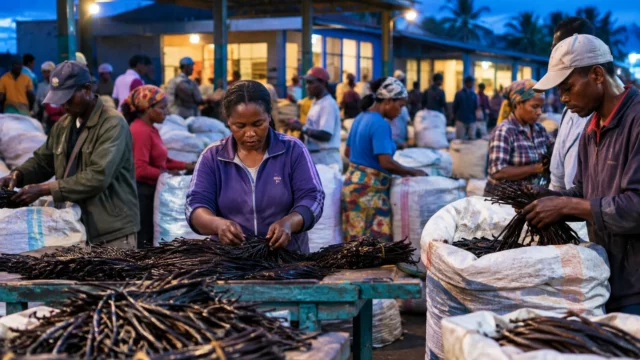
The message is just as clear on the social front. The young people who mobilised put forward very concrete demands: water, electricity, public services and respect. The personal accountability of the elite, meanwhile, is now more exposed. Between the two, the population continues to live with the same daily constraints, in an economy where power cuts and institutional crises quickly translate into lost income, transport disruption and pressure on small businesses.
A signal for the Indian Ocean region and SADC
Madagascar is not an isolated case. The 2025 crisis was a reminder that youth mobilisation, protests over public services and demands for accountability can quickly combine to produce a regime crisis. This dynamic matters across SADC, where several states must contend with high social expectations, tight budgets and growing pressure on governance.
The next challenge is therefore not only judicial. It is political. It concerns the ability of Madagascar’s institutions to address the violence of 2025 without reopening a cycle of score-settling, while building a minimum level of public trust. At continental level, Madagascar is a reminder that a transition is sustainable only if it addresses both the question of power and the everyday needs of citizens.