Algeria
 Egypt
 Libya
 Morocco
 Sudan
 Tunisia
 Benin
 Burkina Faso
 Cabo Verde
 Côte d'Ivoire
 Ghana
 Guinea
 Guinea-Bissau
 Liberia
 Mali
 Mauritania
 Niger
 Nigeria
 Senegal
 Sierra Leone
 The Gambia
 Togo
 Cameroon
 Central African Republic
 Chad
 DR Congo
 Equatorial Guinea
 Gabon
 Republic of the Congo
 São Tomé and Príncipe
 Burundi
 Comoros
 Djibouti
 Eritrea
 Ethiopia
 Kenya
 Madagascar
 Malawi
 Mauritius
 Mozambique
 Rwanda
 Seychelles
 Somalia
 South Sudan
 Tanzania
 Uganda
 Angola
 Botswana
 Eswatini
 Lesotho
 Namibia
 South Africa
 Zimbabwe
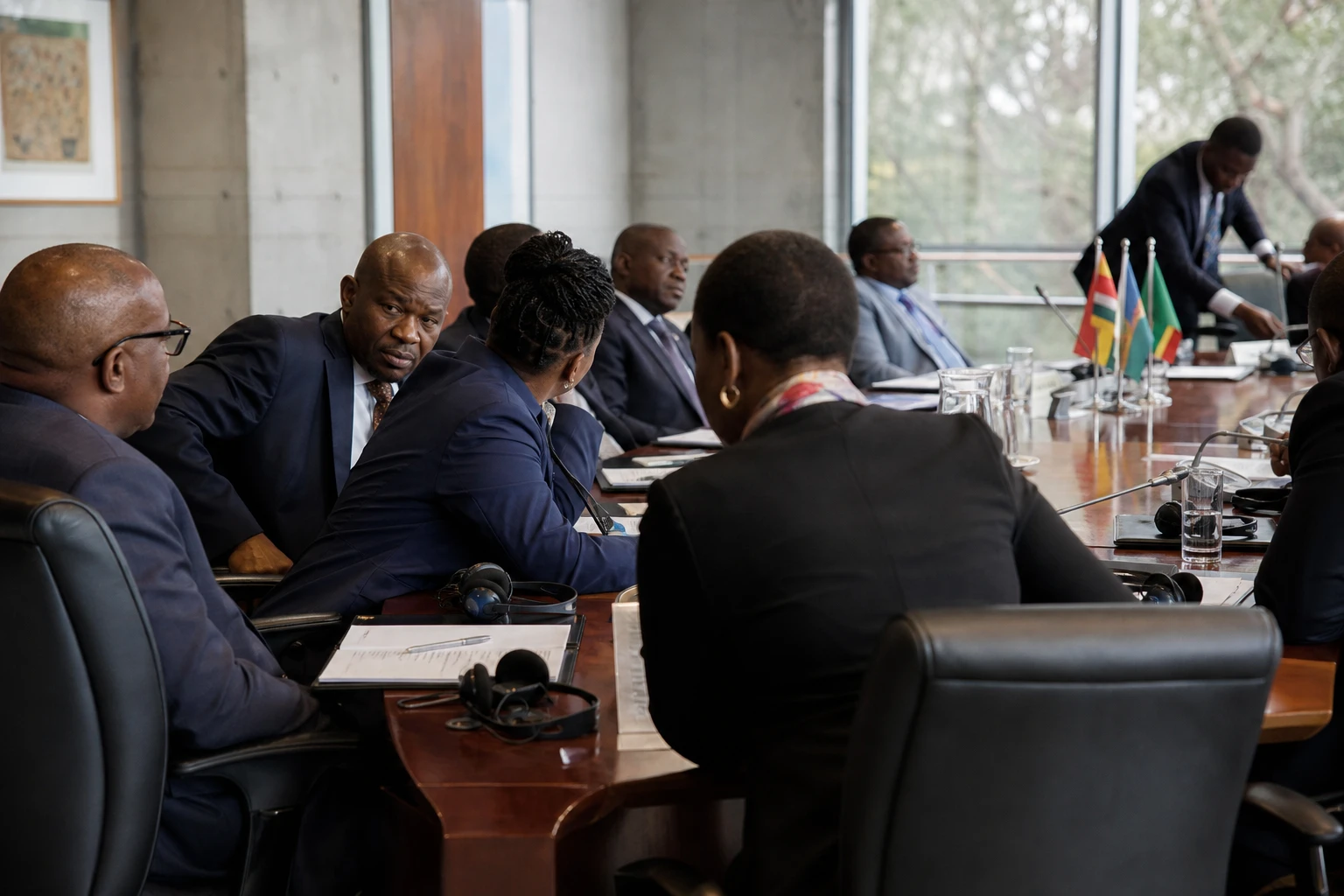
In Lusaka, the election campaign left a question bigger than the result
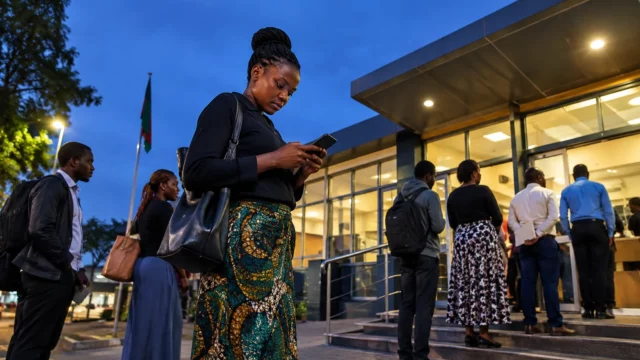
In Zambia, the political transition cannot be read solely through the ballot box. It is also measured by the space left for critical voices, legal appeals and the right to protest without fear. Since the 13 August 2026 election and President Hakainde Hichilema’s swearing-in in Lusaka, the debate has therefore been about more than the winner: it has turned to the state of Zambia’s civic space.
This episode is unfolding in a southern African country with significant regional influence. Zambia is a member of SADC, the Southern African Development Community, and is often seen as a benchmark for peaceful transfers of power. It is precisely this reputation that is now being put to the test.
What the UN, the government and observers are saying
On 2 September 2026, the UN Special Rapporteur on the rights to freedom of peaceful assembly and of association, Gina Romero, called on the Zambian authorities to end the criminalisation of political dissent and release political detainees. The expert said she was “gravely concerned” by the deterioration in the democratic climate, citing intimidation, prolonged detention without charge and treason allegations against opposition officials.
The complaints concern several incidents since the election. Reuters reported that Brian Mundubile, who came second in the presidential election according to the official results, was arrested along with other opposition officials amid suspicions of a threat to national security. The agency also said that, at the time of its report, the authorities had not specified his place of detention or the exact charges.
Zambia’s foreign ministry, for its part, rejected the accusations, calling them factually inaccurate and an overreach of the mandate. State broadcaster ZNBC reported the official position, saying the government remained committed to political pluralism, freedom of peaceful assembly and the rule of law. The same broadcaster also said the inauguration had passed without any major incident.
Election observer missions from SADC, the African Union, COMESA and other regional bodies had called for restraint and a peaceful continuation of the counting as early as 15 August. They noted that voting had been generally orderly, while pointing to logistical delays. The picture that is emerging is therefore twofold: electoral institutions that completed the process, and a post-election period that remains contested.
Why this matters for Zambia and the region
Zambia has long presented itself as one of southern Africa’s most stable democracies. Since the return to multi-party politics in 1991, changes of government have taken place through the ballot box. This continuity has been a political asset, as well as a diplomatic and economic selling point. When that image is tarnished, the country’s overall stability becomes more fragile.
Hakainde Hichilema’s second term is therefore beginning in a charged atmosphere. During his first stint in power, he promised a break with the intimidation he attributed to the previous regime. The current allegations, whether substantiated or disputed by the different sides, are testing that promise behind closed doors, in the courts and in public opinion. For supporters of the government, national security remains the priority. For the opposition, the risk is that repression will normalise the use of criminal law against political opponents.
On the ground, the effects are immediate. In the capital, Lusaka, the battle is being fought in institutions and the media. In the provinces, where voting is often shaped by local networks, arrests and treason allegations can have a lasting chilling effect. Formal businesses are chiefly watching for continuity in government and macroeconomic stability. For the informal economy, the priority is simpler: to prevent political tension from turning into blockades, movement restrictions or fear of taking part in public life.
The implications extend beyond Zambia’s borders. In southern Africa, SADC has adopted revised electoral principles to govern elections and prevent post-election crises. If Zambia, often cited as a model of stability, enters a period of prolonged litigation and suspicion, the signal to the region will be significant. The next point to watch is clear: whether those arrested will be brought before a judge promptly, and whether disputes will be handled through the mechanisms provided for in the Constitution rather than through force or exceptional measures.