Algeria
 Libya
 Morocco
 Sudan
 Tunisia
 Benin
 Burkina Faso
 Cabo Verde
 Côte d'Ivoire
 Ghana
 Guinea
 Guinea-Bissau
 Liberia
 Mali
 Mauritania
 Niger
 Nigeria
 Senegal
 Sierra Leone
 The Gambia
 Togo
 Cameroon
 Central African Republic
 Chad
 DR Congo
 Equatorial Guinea
 Gabon
 Republic of the Congo
 São Tomé and Príncipe
 Burundi
 Comoros
 Djibouti
 Eritrea
 Ethiopia
 Kenya
 Madagascar
 Malawi
 Mauritius
 Mozambique
 Rwanda
 Seychelles
 Somalia
 South Sudan
 Tanzania
 Uganda
 Angola
 Botswana
 Eswatini
 Lesotho
 Namibia
 South Africa
 Zambia
 Zimbabwe
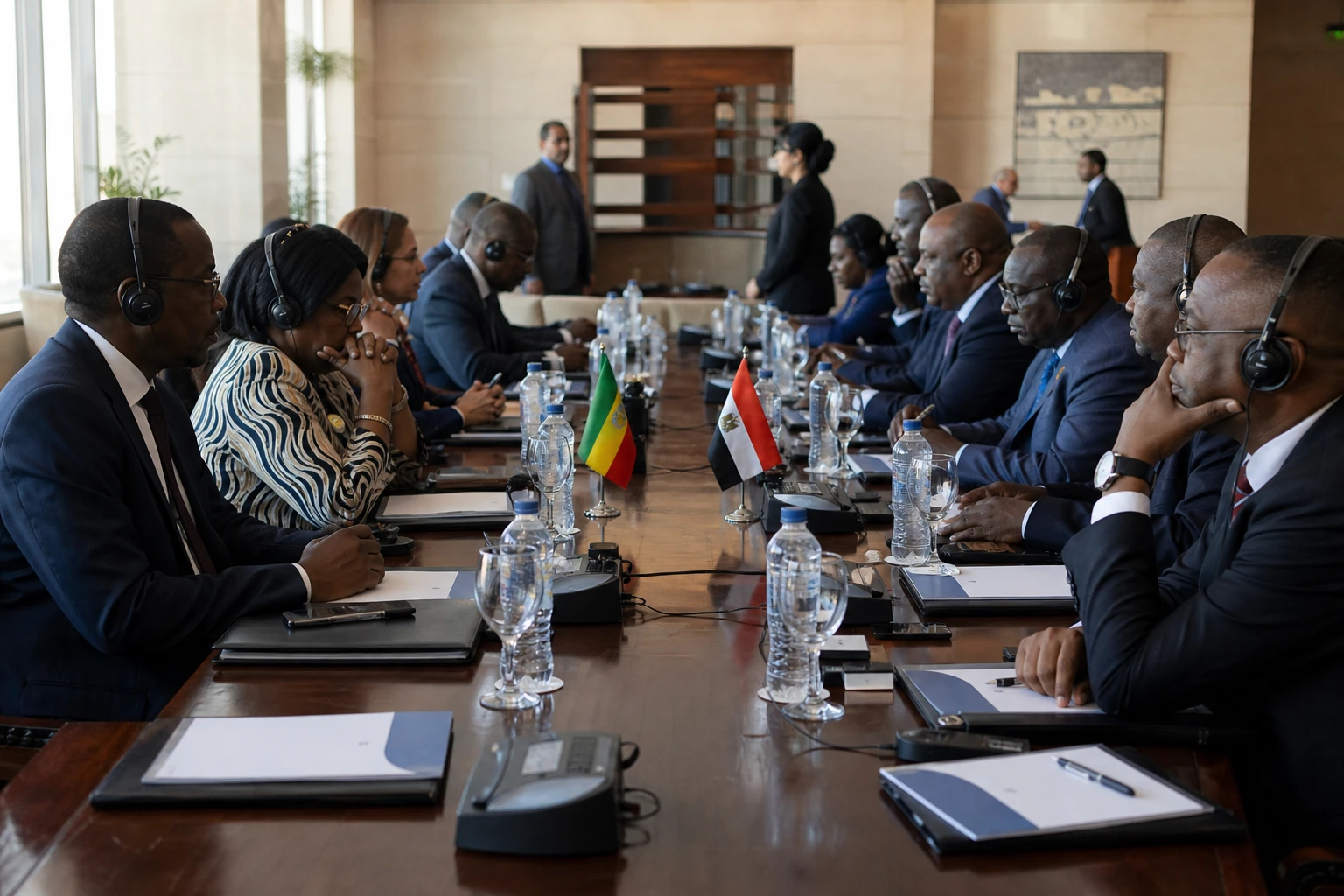
Cairo and Beijing: diplomatic calculation and industrial interests
In Cairo, major Chinese-Egyptian announcements are no longer merely symbolic. They are part of a relationship that has become strategic, in which Egypt is seeking room for manoeuvre while China consolidates its trade routes, industrial markets and foothold in North Africa.
This momentum has particular resonance amid regional tensions. The war in Gaza, tensions in the Red Sea and vulnerabilities in maritime security in the eastern Mediterranean and around the Suez Canal give every economic partnership an immediate geopolitical significance. For Egypt, the issue is not limited to bilateral trade. It also affects canal revenues, productive investment and the country’s place in the balance of power in the Arab world and across the continent.
A relationship rooted in 2014, but expanded in 2026
Relations between the two countries reached a turning point in December 2014, when Cairo and Beijing elevated their ties to a comprehensive strategic partnership. Since then, cooperation has expanded to infrastructure, energy, industry and the military sphere. Chinese officials point out that this step opened a new phase of bilateral cooperation.
The Chinese president’s visit to Cairo on 1 and 2 September 2026 was part of this momentum. Both sides highlighted the 70th anniversary of diplomatic relations and the upgrading of their partnership. They also reaffirmed a shared commitment to continuing political and economic coordination.
Beyond the formalities, the meeting chiefly led to the launch of a new phase of the China-Egypt industrial zone in the Suez Canal area. The Egyptian president said the third phase would open up more activity in renewable energy, automotive manufacturing, textiles and chemical fibres.
The Suez Canal zone, the centrepiece of the agreement
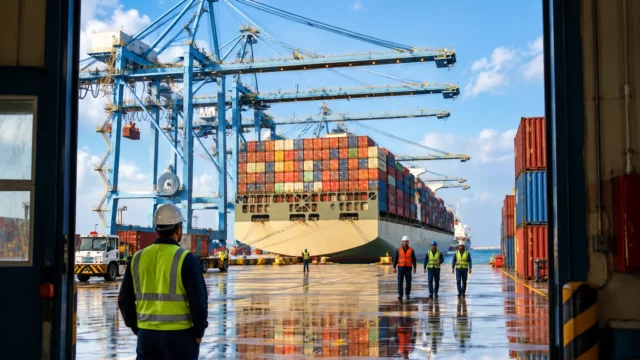
The joint industrial zone in the Suez Canal Economic Zone remains one of the most visible projects in this relationship. According to the zone’s authorities, several Chinese projects have already been launched there, worth more than $1.067 billion, while successive announcements have strengthened Chinese manufacturers’ interest in this logistics corridor.
For Egypt, the objective is straightforward: attract factories, create jobs and locate part of the value chain on its territory. For China, there are two goals. First, to secure more stable access to a major maritime hub. Second, to manufacture closer to African, Arab and European markets. This is not just an investment. It is a strategy for establishing a presence.
Egyptian officials have also highlighted the scale of bilateral trade. China has been among Egypt’s leading suppliers for several years, and trade between the two countries remains substantial. Data from the Central Bank of Egypt and official publications show that Beijing accounts for a major share of Egyptian imports.
Security, the military and a political signal in the Middle East
Cooperation is not limited to the economy. It also extends to the military. In 2024, the Egyptian and Chinese air forces had already stepped up technical contacts, with a focus on training, joint production and technology transfer. In August 2026, they launched the joint air exercise “Eagles of Civilisation”.
This aspect matters politically. Egypt remains a military ally of the United States, but for years it has sought to diversify its partnerships. Beijing, for its part, wants to show that it can engage with capitals seen as central to the Arab world, beyond trade flows. In a region beset by crises, this diversification gives Cairo additional room for manoeuvre.
Egypt’s position is clear: the aim is to protect national interests without depending on a single power centre. China’s position is equally clear: Egypt is a market of more than 110 million people, a diplomatic foothold and a gateway to Africa.
What North Africa and the continent should take away
For North Africa, this relationship reflects a broader trend: states are seeking multiple partners at a time when power balances are becoming more unstable. Egypt is not simply welcoming capital. It is negotiating its place in the industrial supply chains, maritime routes and diplomatic calculations shaping the region. This also concerns the Maghreb, the Sahel and all African economies connected to the Suez Canal.
The continental significance is clear. When Cairo attracts investment in industry, energy or textiles, it also intensifies competition among African hubs to secure productive projects. By deepening its relationship with China, Egypt is sending a signal to the African Union and to other powers: African capitals want to negotiate, not merely receive.
What happens next will depend above all on putting the agreements into practice. The coming months will show whether the third phase of the Suez Canal zone remains a mere political commitment or becomes a genuine industrial engine. That is where the credibility of this cooperation will be decided: in factories opened, jobs created and Cairo’s ability to turn a diplomatic partnership into lasting economic gains.