Algeria
 Egypt
 Libya
 Morocco
 Sudan
 Tunisia
 Benin
 Burkina Faso
 Cabo Verde
 Côte d'Ivoire
 Ghana
 Guinea
 Guinea-Bissau
 Liberia
 Mali
 Mauritania
 Niger
 Nigeria
 Senegal
 Sierra Leone
 The Gambia
 Togo
 Cameroon
 Central African Republic
 Chad
 DR Congo
 Equatorial Guinea
 Gabon
 Republic of the Congo
 São Tomé and Príncipe
 Burundi
 Comoros
 Djibouti
 Eritrea
 Ethiopia
 Kenya
 Madagascar
 Malawi
 Mauritius
 Mozambique
 Seychelles
 Somalia
 South Sudan
 Tanzania
 Uganda
 Angola
 Botswana
 Eswatini
 Lesotho
 Namibia
 South Africa
 Zambia
 Zimbabwe
A Franco-African memory that will not fade
Édouard Balladur’s death, on 31 August 2026 in Paris at the age of 97, closes a chapter in French history, but not the debates it left behind in Africa. For many observers on the continent, his name remains associated with two decisions taken amid acute tension: the devaluation of the CFA franc in January 1994 and Operation Turquoise in Rwanda a few months later.
Across the French-speaking world, these two episodes have marked different generations. The first upended prices, wages and public finances in several economies in West and Central Africa. The second placed France at the heart of a historic tragedy whose political and social memory Rwanda still carries. The common thread is clear: in both cases, Paris wielded considerable influence, but the effects were felt most keenly in Dakar, Abidjan, Yaoundé, Kigali and many other African capitals.
1994: currency, prices and social shock
On 11 January 1994 in Dakar, leaders of the franc zone announced a 50% devaluation of the CFA franc, which took effect on 12 January. The decision was subsequently formalised in French legislation, setting the new parity at 1 CFA franc to 0.01 French francs. The Bank of Central African States, the Central Bank of West African States and the International Monetary Fund all describe this shift as a major realignment of the monetary zone.
In Paris, the argument was economic: to restore the competitiveness of exports and correct serious imbalances. On the ground, the immediate impact was above all social. Imported goods became more expensive. Urban households bore the brunt of rising prices. Businesses dependent on spare parts, fuel or goods from abroad saw their costs soar. In the WAEMU and CEMAC states, two monetary unions established in the same year as the devaluation, the adjustment was experienced more as a forced course of treatment than a transition chosen by those affected.
From 1993, Édouard Balladur had also advocated a more conditional approach to French aid, sometimes summed up as the “Abidjan doctrine”: no budget support without an agreement with the IMF and reforms under way. This approach marked the end of a certain reflex of automatic assistance. It also reinforced among several African leaders the sense that relations with Paris were shifting from personalised political ties to a relationship more subject to donors and macroeconomic constraints.
Rwanda: an intervention under mandate, a contested memory
In Rwanda, Balladur’s name remains linked to Operation Turquoise. The mission was authorised by the UN Security Council on 22 June 1994 and deployed from 23 June in the country’s south-west. UN documents and French military records state that its official aim was to establish a humanitarian protection corridor or zone, with the goal of saving civilians caught in the collapse of the Rwandan state.
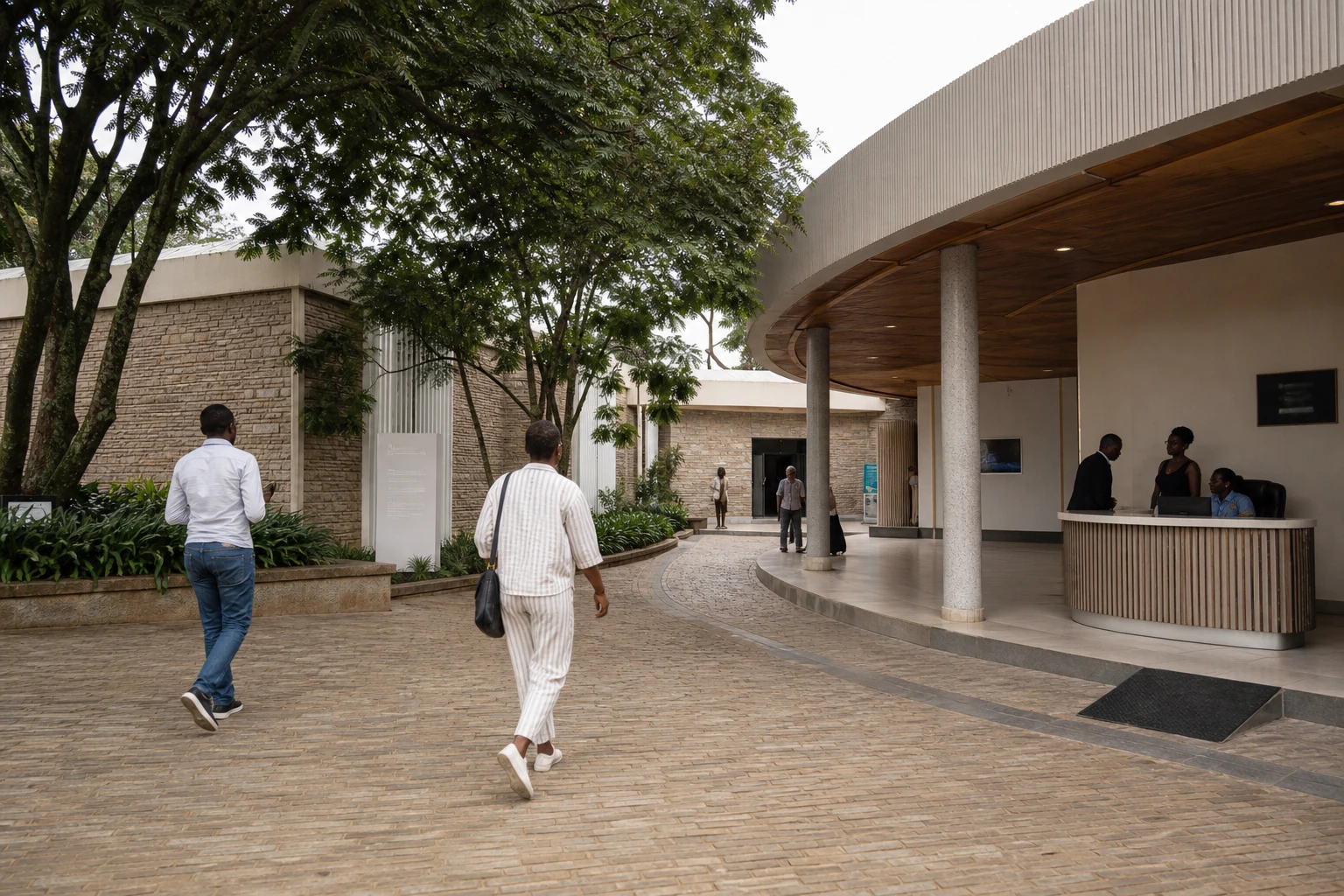
The context was the genocide against the Tutsi, which began in April 1994. Kigali, Rwanda’s capital, was at the centre of the violence, evacuations and institutional collapse. The Rwandan government today points out that Kigali is the country’s capital and that the genocide’s memory continues to shape public life, particularly around the Gisozi memorial, one of the country’s main places of remembrance.
This is where the controversy persists. Turquoise helped protect civilians, but persistent criticism also accuses it of providing an escape route to neighbouring Zaire, now the Democratic Republic of the Congo, for officials and fighters from the genocidal regime. The Duclert report, published in 2021, spoke of France’s “serious and overwhelming responsibilities” in the Rwandan crisis, without finding it complicit in genocide. This assessment reignited a question in Rwanda and France alike that goes beyond Balladur himself: how should an intervention presented as humanitarian be judged when it takes place amid a genocide?
What these decisions still say about Africa today
Rwanda today is no longer the country it was in 1994. It is a member of the East African Community, alongside Kenya, Uganda, Tanzania, Burundi, South Sudan, Somalia and the Democratic Republic of the Congo. This membership matters because it places Kigali within a regional space for mobility, trade and security, where border crises and diplomatic tensions have a direct impact on markets, transport and people.
But the memory of Balladur remains useful in understanding power relations between Africa and its external partners. On currency, it shows how a decision taken in financial circles can immediately affect the daily lives of Rwandans, Senegalese, Ivorians or Gabonese, even thousands of kilometres from Paris. On Rwanda, it is a reminder that an international intervention is judged not only by its mandate, but by its real effects on the ground, on survivors, displaced people and collective memory.
In Central and West Africa, these two issues continue to fuel very concrete debates: monetary sovereignty, dependence on donors, the role of regional organisations, the place of former colonial powers and the ability of states to shape their own interpretation of the past. That is also why Balladur’s death closes nothing. It is simply a reminder that certain administrative decisions, taken at the top, can leave a lasting mark on the continent’s economic life and political memory.