Algeria
 Egypt
 Libya
 Morocco
 Sudan
 Tunisia
 Benin
 Burkina Faso
 Cabo Verde
 Ghana
 Guinea
 Guinea-Bissau
 Liberia
 Mali
 Mauritania
 Niger
 Nigeria
 Senegal
 Sierra Leone
 The Gambia
 Togo
 Cameroon
 Central African Republic
 Chad
 DR Congo
 Equatorial Guinea
 Gabon
 Republic of the Congo
 São Tomé and Príncipe
 Burundi
 Comoros
 Djibouti
 Eritrea
 Ethiopia
 Kenya
 Madagascar
 Malawi
 Mauritius
 Mozambique
 Rwanda
 Seychelles
 Somalia
 South Sudan
 Tanzania
 Uganda
 Angola
 Botswana
 Eswatini
 Lesotho
 Namibia
 South Africa
 Zambia
 Zimbabwe
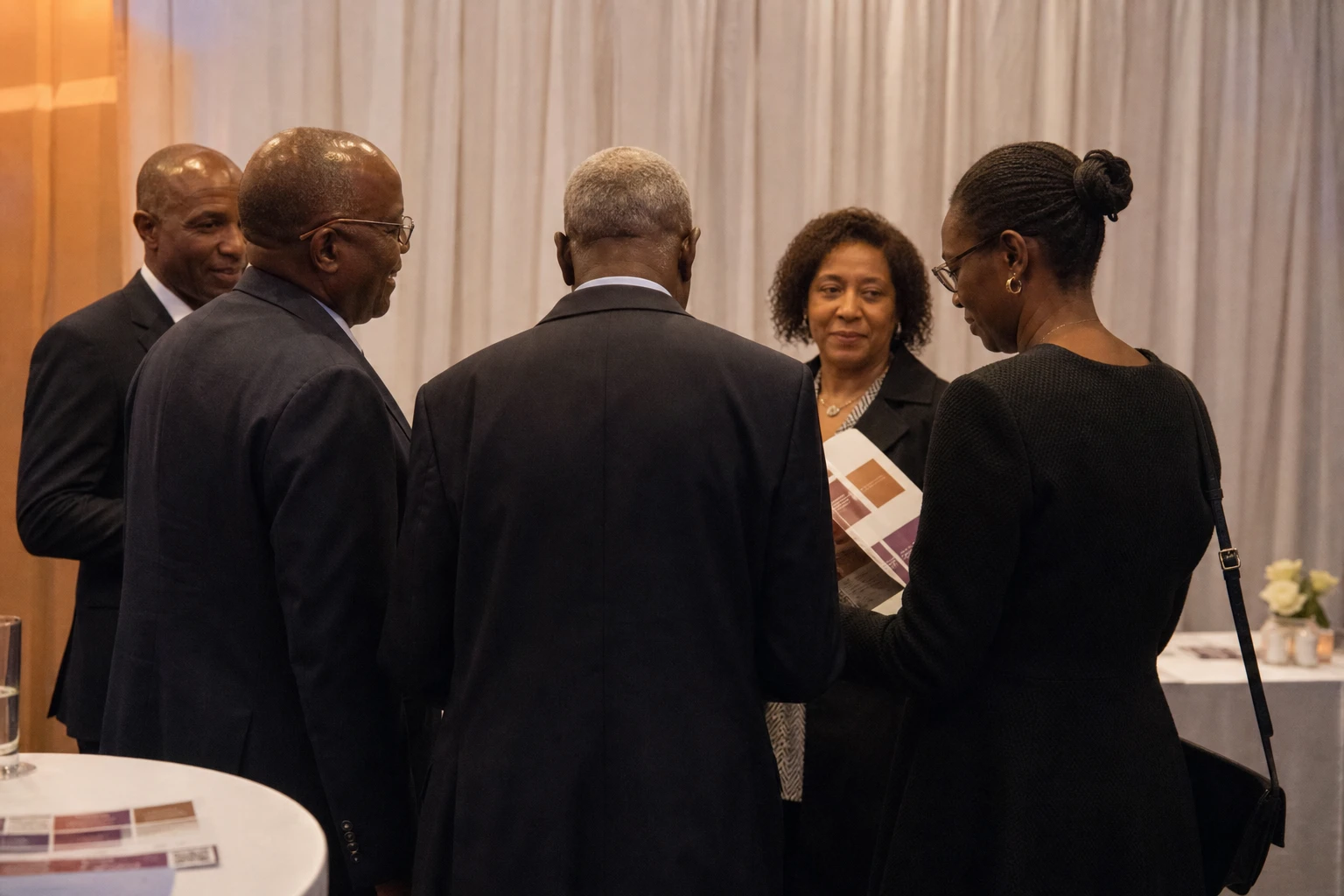
Casablanca nightlife mirrors a changing Morocco
On the Aïn Diab corniche, Casablanca’s nightlife now tells a story that goes beyond a simple taste for partying. It also shows how Morocco, long seen as a country of transit, is now welcoming people who are putting down roots, finding work and building social lives in different languages. In this city open to the Atlantic, clubs do more than serve drinks and turn up the volume: they also create spaces for people to live alongside one another, sometimes precariously, often very visibly.
The phenomenon has not come out of nowhere. In its analysis of the 2024 census, the High Commission for Planning counted 148,152 foreign residents in Morocco, or 0.4% of the population, compared with 84,001 in 2014. It also noted a 76.4% increase over ten years, with a sharp rise in nationals of sub-Saharan African countries, who now account for 59.9% of the foreign residents counted. Senegalese and Ivorian nationals are the largest groups.
A club, an address, a social geography
In this landscape, DjaDja occupies a distinctive place. Opened in Casablanca in 2019, in an area where the corniche already brings together restaurants, lounges and clubs, the venue has built a reputation at the crossroads of Afro music, the diaspora and Moroccan customers curious about new codes. It is part of a neighbourhood already recognised as one of the metropolis’s nightlife hubs: Aïn Diab, a place for walks, leisure and urban consumption.
The story of this club says more than simply that a business has succeeded. In Casablanca, markets, hair salons, restaurants and places of worship bear witness to a more established sub-Saharan presence than before. A recent report showed how the city serves as an anchor for Senegalese, Ivorians, Guineans, Congolese and Cameroonians who work, study or set up businesses there. In this context, music becomes a common language before it becomes a selling point.
This change is also explained by Morocco’s migration policy. The International Organization for Migration notes that the kingdom is a country of origin, transit and destination. It also highlights the regularisation operations launched by Rabat since 2014, which marked a turning point in the public management of migration. In other words, the foreign presence is no longer merely a matter of transit flows. It is part of everyday urban life, with its businesses, jobs and social spaces.
What the Afro party reveals
DjaDja is more than a backdrop. It stages an economy, class relations and a discreet hierarchy of access. Entry comes at the cost of expensive drinks, placing the venue in the upscale segment of Casablanca nightlife. This is not a trivial choice. It shows that cultural integration also takes place through the market, and that Afro visibility in Morocco is no longer confined to working-class neighbourhoods or spaces of survival. It now extends to leisure venues where purchasing power, taste, self-presentation and movement across the continent intersect.
Within the team, the range of backgrounds matters as much as the programme. Artists, waiters, bartenders and hosts from across the African continent create a showcase that draws people as much for representation as for the music. This presentation of Africanness responds to real demand. It also shows that Africa’s cultural industries can thrive in Morocco without waiting for outside validation. A club’s success in Casablanca is thus part of a wider circulation of Afro music, from coupé-décalé to Afrobeats and other popular sounds from across the continent.
But this success has a more sensitive side. Casablanca attracts, brings people together and mixes them, yet it remains marked by everyday tensions: high rents for some migrants, precarious jobs, administrative checks and racial prejudice. Migrant advocacy groups have already raised the alarm over the spread of hostile messages targeting non-Moroccan Black people. Here, partying does not erase social reality. At times, it makes that reality more visible by requiring people to share the same space.
A Casablanca showcase with African reach
The DjaDja story therefore goes beyond urban reporting. It illustrates a broader transformation in Morocco, at the crossroads of African mobility, exchanges with Europe and the dynamics of the western Mediterranean. The economic capital, Casablanca, is becoming a quiet testing ground for this reshaping. What is happening there touches on work, the circulation of styles, cultural consumption and the way society welcomes residents from other parts of the continent.
Across the continent, the issue resonates with several African debates: intra-African mobility, the role of diasporas in urban economies, and cities’ ability to accommodate new groups without confining them to a single identity. Morocco, which is strengthening its position in Africa through business, diplomacy and culture, is also seeing its nightlife become a marker of this openness. The coming months will show whether this cultural coexistence remains confined to a handful of visible venues or continues to spread into other neighbourhoods, professions and scenes across Casablanca.