Algeria
 Egypt
 Libya
 Morocco
 Sudan
 Tunisia
 Benin
 Burkina Faso
 Cabo Verde
 Côte d'Ivoire
 Ghana
 Guinea
 Guinea-Bissau
 Liberia
 Mali
 Mauritania
 Niger
 Nigeria
 Senegal
 Sierra Leone
 The Gambia
 Togo
 Cameroon
 Central African Republic
 Chad
 DR Congo
 Equatorial Guinea
 Gabon
 Republic of the Congo
 São Tomé and Príncipe
 Burundi
 Comoros
 Djibouti
 Eritrea
 Ethiopia
 Kenya
 Madagascar
 Malawi
 Mauritius
 Mozambique
 Rwanda
 Seychelles
 Somalia
 South Sudan
 Tanzania
 Uganda
 Angola
 Botswana
 Eswatini
 Lesotho
 Namibia
 Zambia
 Zimbabwe
A case that goes beyond one man, because it still tests South African justice
In Pretoria, the story of Steve Biko has never been fully closed. Nearly half a century after his death in detention, the new hearing into the circumstances of his death brings a simple but weighty question back to the fore: what is a democracy worth when it revisits, belatedly, the shadows of apartheid?
The case is also about process. In South Africa, several investigations and trials related to crimes of the segregationist era have resurfaced in recent years, amid strong expectations from families and memorial organisations. The country, an influential member of SADC, is still trying to bridge the gap between the political end of apartheid and judicial truth. In this context, the Biko case is more than a symbol: it is a test of credibility for criminal justice and the rule of law.
What the Gqeberha High Court is examining today
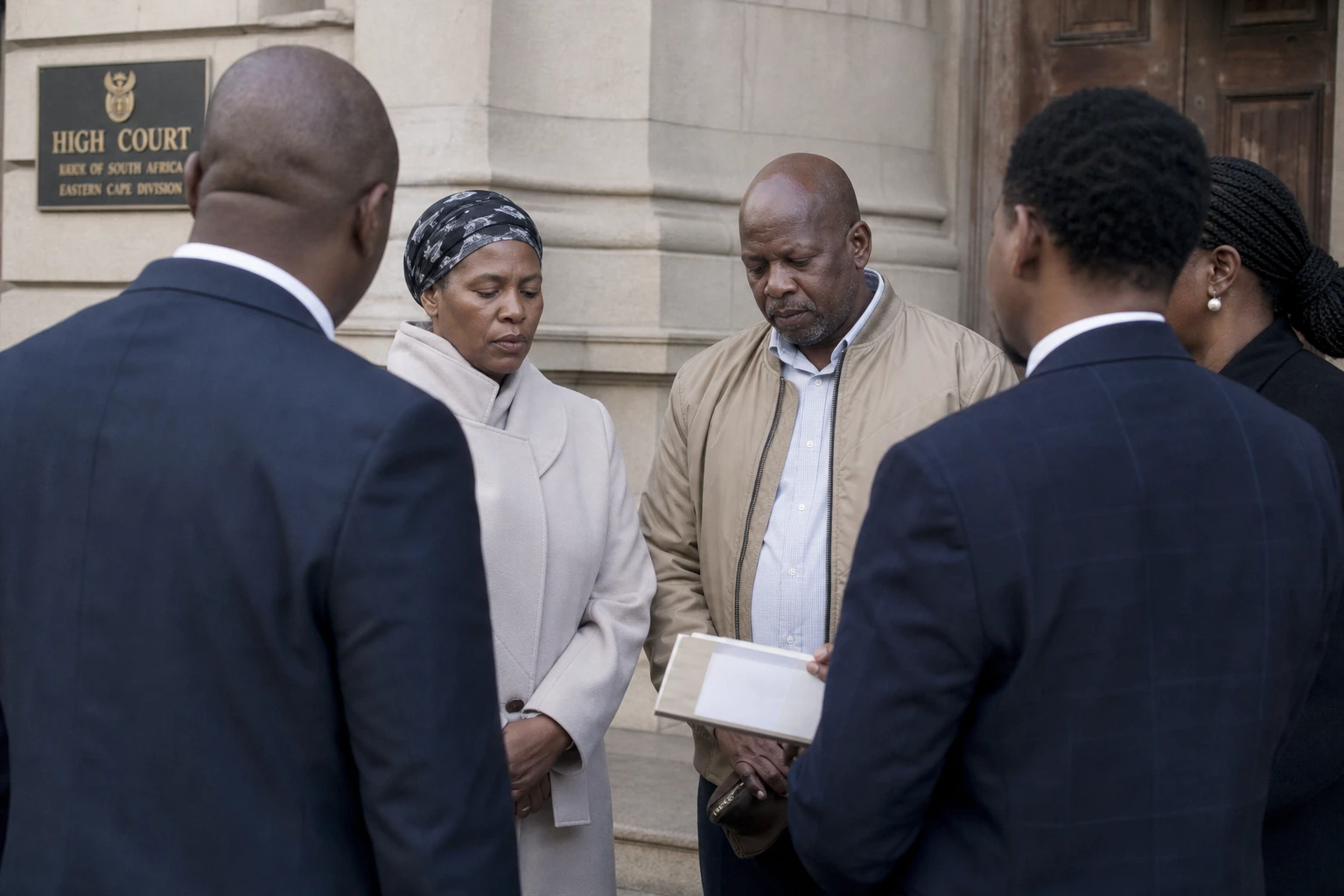
The reopening of the inquest was ordered on 12 September 2025 by South Africa’s justice ministry, then added to the docket of the Eastern Cape High Court in Gqeberha. The hearing was due to resume amid an already busy schedule, with preparations, questions about the family’s representation and the translation of documents written in Afrikaans into English. On 12 November 2025, the case had already been postponed over case-management issues.
In August 2026, the case moved forward again, but tensions remained. The family sought a postponement, citing in particular a lack of time to prepare its civil claim and the difficulty of following such a technical proceeding. The judge refused to suspend the hearing, reasoning that time was running out for the witnesses still alive to be available. The decision illustrates the case’s central tension: the longer the state waits, the more voices, memories and evidence justice loses.
Steve Biko died on 12 September 1977 in Pretoria, after being transferred from Port Elizabeth, now Gqeberha, some 1,100 kilometres away. The original inquest at the time concluded that he had sustained an injury in an altercation, and found no criminal liability. Later, the Truth and Reconciliation Commission documented lies and cover-ups by police officers involved in the case. These findings fuelled the idea of unfinished justice for decades.
Why this reopening changes how we view the post-apartheid era
Biko’s name remains linked to Black Consciousness, a political and intellectual movement that gave black South Africans a language of dignity and autonomy at the height of repression. His death did not only mark a generation of activists. It also exposed the role of judicial and medical institutions in constructing an official account that was long disputed. By reopening the case, South African justice implicitly acknowledges that the history has not been dealt with fully.
For the family, the stakes are tangible. First, it wants to ensure that a late proceeding does not become a mere memorial ceremony. It also wants the last witnesses and any remaining usable evidence entered into the record. Several people who could have shed light on the facts have died since the investigations resumed, and some old documents still pose problems of language and format. In such an old case, every postponement weighs on judicial memory as much as on the civil party’s strategy.
For prosecutors and the government, the stakes are different. They want to show that the apartheid era is not a sealed-off past, but a matter that can still be tried when new evidence or a procedural framework makes it possible. This effort is part of a wider series of reviews of historical cases, such as those concerning other political deaths during the apartheid era. The rationale is not merely symbolic. It concerns the relationship between redress, possible prosecutions and public trust.
National, regional and continental significance
In southern Africa, the way South Africa deals with its own historical crimes matters beyond its borders. The country remains an institutional reference point for many judicial systems in SADC. If it can seriously investigate such an old case, it sends a message to the whole region: political crimes do not disappear with time, and late investigations can still establish the truth, even if they do not lead to convictions.
The Biko case also resonates across the continent. In several African countries, political transitions have left unresolved deaths, fragmentary archives and families still waiting. The South African Truth and Reconciliation Commission had already established a model, imperfect but decisive, for the public examination of political crimes. The new inquest is a reminder that memory is no substitute for justice. It can prepare and inform it, but it cannot replace it.
What is at stake in Gqeberha, then, is not only the reconstruction of a death that took place in Pretoria in 1977. It is a democratic state’s ability to face its own history without reducing it to a convenient narrative or allowing it to be buried under procedural delays. In the coming months, attention will focus on whether hearings go ahead as planned, the value of the testimony still available and how the court balances historical truth with judicial responsibility.