Algeria
 Egypt
 Libya
 Morocco
 Sudan
 Tunisia
 Benin
 Cabo Verde
 Côte d'Ivoire
 Ghana
 Guinea
 Guinea-Bissau
 Liberia
 Mali
 Mauritania
 Niger
 Nigeria
 Senegal
 Sierra Leone
 The Gambia
 Togo
 Cameroon
 Central African Republic
 Chad
 DR Congo
 Equatorial Guinea
 Gabon
 Republic of the Congo
 São Tomé and Príncipe
 Burundi
 Comoros
 Djibouti
 Eritrea
 Ethiopia
 Kenya
 Madagascar
 Malawi
 Mauritius
 Mozambique
 Rwanda
 Seychelles
 Somalia
 South Sudan
 Tanzania
 Uganda
 Angola
 Botswana
 Eswatini
 Lesotho
 Namibia
 South Africa
 Zambia
 Zimbabwe
Diplomacy returns through dialogue
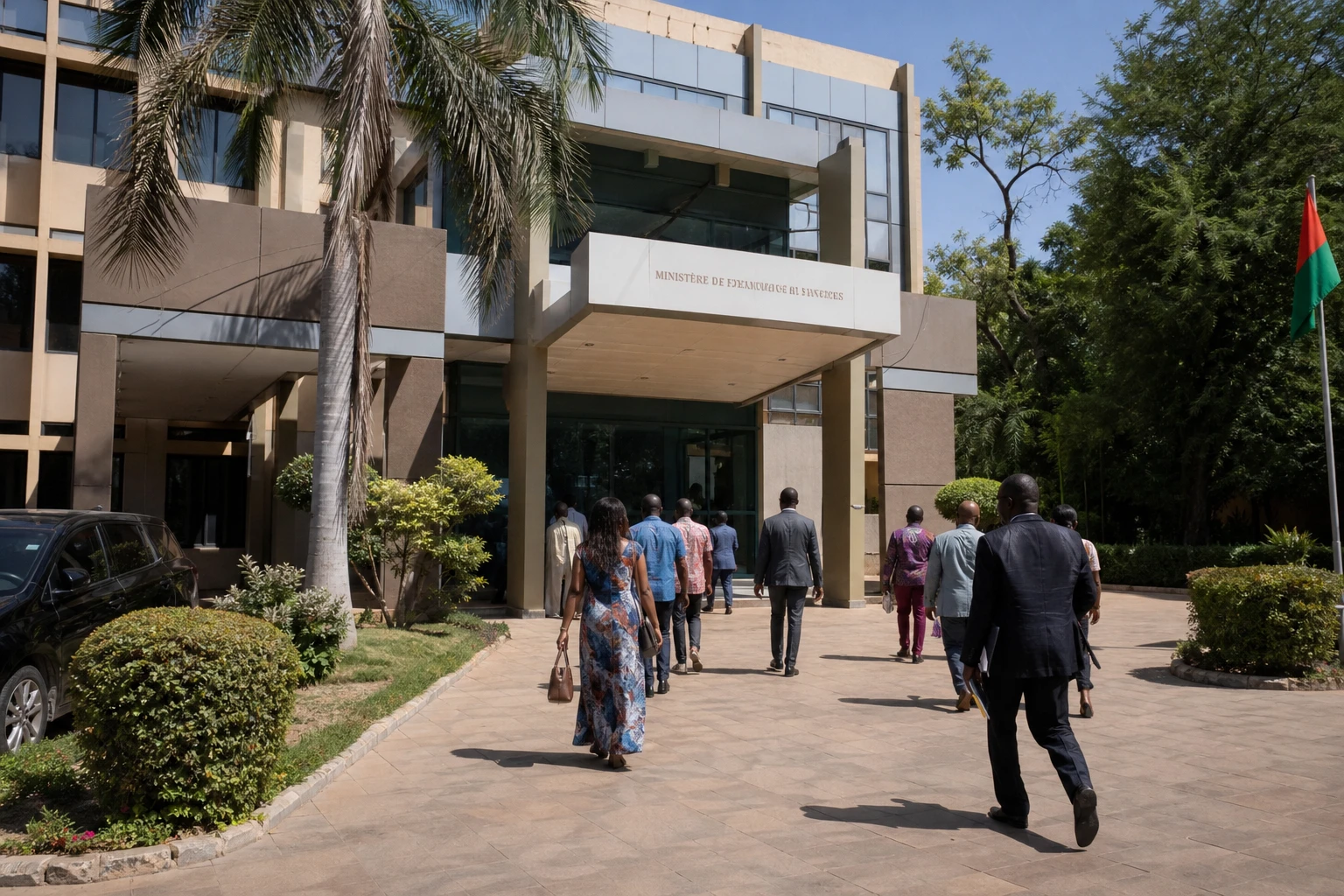
In Ouagadougou, a European ministerial visit is never a mere formality. In Burkina Faso, amid military transitions and strained relations with several Western partners, every high-level visit is also a test of approach: speaking without condescension, co-operating without denying sovereignty, and accepting that the Sahel can no longer be governed according to the same assumptions as before. The visit by Belgian Foreign Minister Maxime Prévot forms part of this delicate sequence.
Belgium is no newcomer to this field. Its co-operation with Burkina Faso dates back to 1993, was interrupted for a time, and resumed in 2015. Today, it focuses on specific areas of the country, notably the Centre-Est, Fada N’Gourma, the Centre-Nord and the Central Plateau, with clear priorities: basic social services, socio-economic resilience and social cohesion. This long-standing presence gives Brussels a more pragmatic than high-profile perspective on the tensions unfolding.
Three days in Ouagadougou, followed by a visit to the field
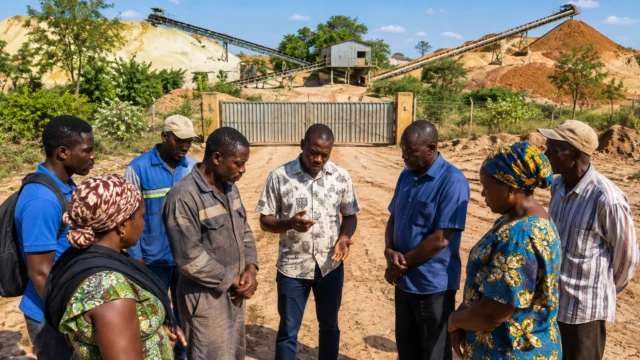
Arriving in Ouagadougou on 26 August 2026 for a 72-hour visit of friendship and work, Maxime Prévot first held talks with Burkina Faso’s foreign minister, Karamoko Jean Marie Traoré, before being received by the president of Faso, Ibrahim Traoré. On 27 August, he travelled to an agroecological site in Korsimoro, in the village of Tengressenè, to observe projects supported by Belgian co-operation. This sequence confirms that the visit was not merely about protocol: it also aimed to show tangible results on the ground.
The Belgian foreign minister adopted a measured tone. He called for “building bridges” and “rebuilding ties” despite differences, while lamenting a gulf of misunderstanding between the European Union and the countries of the Alliance of Sahel States, or AES, which brings together Burkina Faso, Mali and Niger. In his statement, he also argued for co-operation that can adapt as circumstances change. In the same spirit, Burkina Faso’s authorities welcomed a long-standing partnership intended to help deliver on the priorities set out in Ouagadougou.
The choice of words matters. At a time when Burkina Faso has distanced itself from several European capitals, speaking of “respect” is not an empty phrase. It is a way of saying that aid, security and co-operation can no longer be conceived as one-way instruments of influence. Belgium, for its part, maintains a channel of dialogue with Burkina Faso’s authorities, while other partners have seen their channels close. This choice allows it to remain engaged on a Sahelian issue that has become highly political.
The weight of recent ruptures hangs over every word
Maxime Prévot’s visit comes after Burkina Faso’s decision on 26 June 2026 to sever diplomatic relations with France. Paris said it had taken note of what it called a hostile decision, while Africanews confirmed the announcement made on Burkina Faso’s national television. A few weeks earlier, relations with the European Union had already deteriorated: Ouagadougou summoned the EU ambassador in late June, then expelled two officials from the European delegation in July, according to information published by the Europeans.
This context explains why a European political visit of this level to Ouagadougou is rare. It also explains why Belgium chose a more flexible rather than confrontational tone. Belgian co-operation in Burkina Faso is delivered in part through Enabel and through multi-year programmes. It is part of an approach already adapted to countries described as fragile, a category in which Brussels includes Burkina Faso in its co-operation documents. In other words, the current dialogue is not starting from scratch: it is an attempt to preserve what matters as institutional relations become strained.
For Burkinabè people, the stakes are not only diplomatic. They are also practical. On the ground, external funding supports water, agroecology, health, education and training. Belgium says it allocates some of its support to vulnerable areas of the country and to five-year programmes with non-governmental organisations and Burkina Faso’s public institutions. When political channels become strained, it is often local and technical partners who remain on the front line.
What this episode says about the Sahel and West Africa
Beyond the Brussels-Ouagadougou relationship, this visit points to something broader: the reshaping of the balance of power in the Sahel. The gradual departure from old frameworks, the rise of the AES and tensions with ECOWAS have created an environment in which every foreign partner must reconsider its language, tools and priorities. Belgium is testing a middle path: remaining useful without appearing prescriptive. It is a difficult stance, but probably more sustainable than a diplomacy of reproach.
Burkina Faso, for its part, is seeking to show that it can choose its allies and redefine its co-operation without cutting itself off from the outside world altogether. Its removal from the FATF grey list in October 2025, efforts to mobilise domestic resources and emphasis on national priorities show that Ouagadougou wants to retain control of its agenda. From this perspective, a Belgian visit is not just a bilateral gesture: it is a signal to other partners, African and non-African, about how to engage with Burkina Faso today.
What happens next will depend on specific issues: whether co-operation channels remain open, how dialogue with the European Union develops, and whether partners can fund visible projects in the regions. In Ouagadougou, diplomacy is now judged by its ability to deliver tangible results, not just statements. This is perhaps where Belgium is trying to set itself apart, in an environment where trust has become the most valuable currency of exchange.