Algeria
 Egypt
 Libya
 Morocco
 Sudan
 Tunisia
 Benin
 Burkina Faso
 Cabo Verde
 Côte d'Ivoire
 Ghana
 Guinea
 Guinea-Bissau
 Liberia
 Mali
 Mauritania
 Niger
 Nigeria
 Senegal
 Sierra Leone
 The Gambia
 Togo
 Cameroon
 Central African Republic
 Chad
 DR Congo
 Equatorial Guinea
 Gabon
 Republic of the Congo
 São Tomé and Príncipe
 Burundi
 Comoros
 Djibouti
 Eritrea
 Ethiopia
 Kenya
 Madagascar
 Malawi
 Mauritius
 Mozambique
 Rwanda
 Seychelles
 Somalia
 South Sudan
 Tanzania
 Angola
 Botswana
 Eswatini
 Lesotho
 Namibia
 South Africa
 Zambia
 Zimbabwe
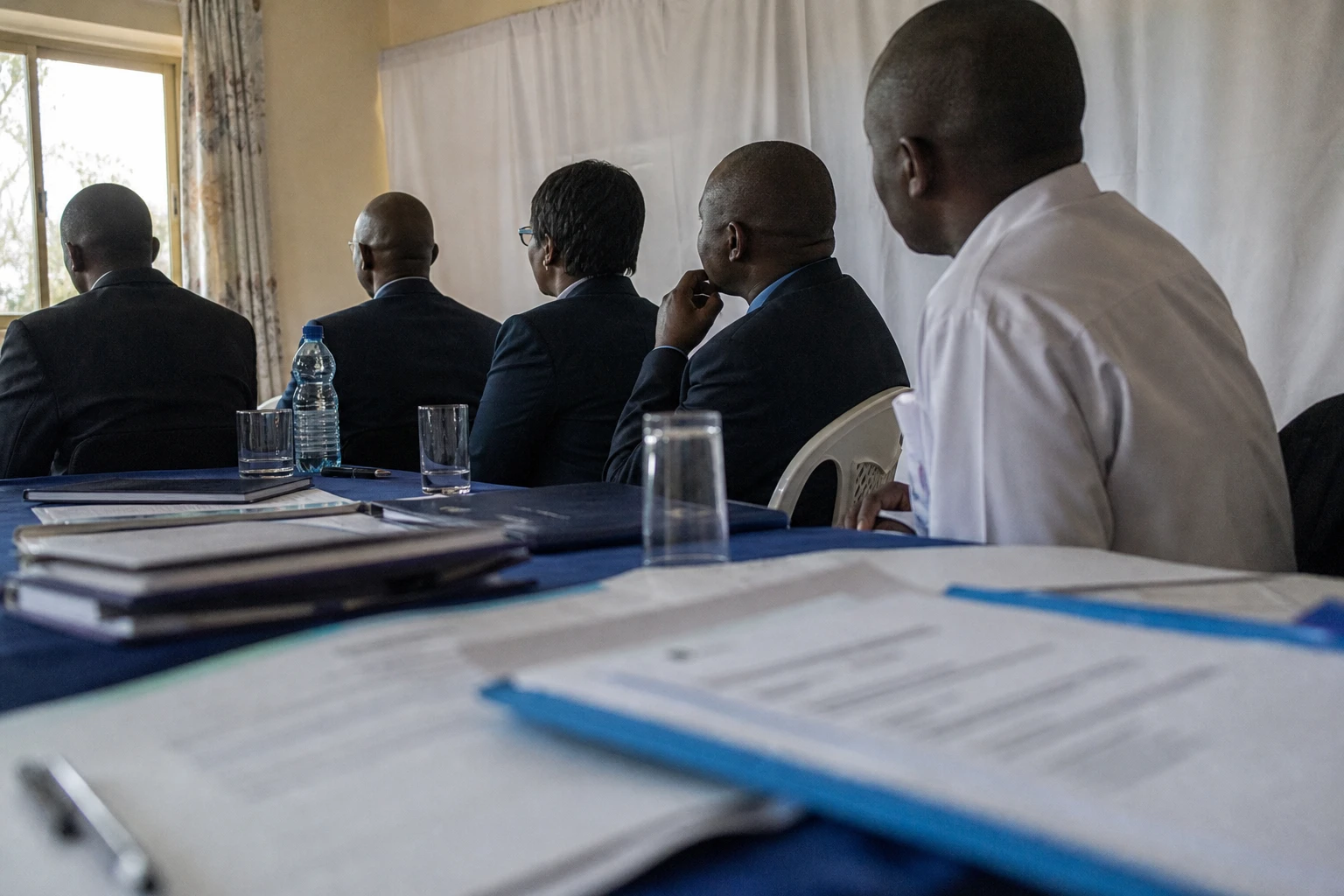
In eastern DRC, Ebola remains close to home
The end of an outbreak in Uganda does not, by itself, eliminate the health risk in the Great Lakes region. Between the health cordon sealed in Kampala and the response still under pressure in the Democratic Republic of the Congo, the dividing line is clear: on one side, a chain of transmission has been interrupted; on the other, an epidemic continues to weigh on families, health workers and local markets.
For people in the DRC, the issue is not theoretical. It affects daily travel, cross-border trade, overstretched health centres and rural areas where access to healthcare remains fragile. In the east of the country, every health alert compounds the challenges of difficult roads, insecurity and populations already displaced.
Kampala leaves alert status, Kinshasa remains on the front line
Uganda officially declared its Ebola outbreak caused by the Bundibugyo virus over on 28 July 2026, after 42 days without a new confirmed case since the last patient was discharged on 16 July 2026. The WHO and Africa CDC welcomed the milestone, noting that the country had recorded 20 confirmed cases during the outbreak, which was declared on 15 May 2026.
The outcome was the result of a swift response: contact tracing, enhanced surveillance, case isolation and controls at crossing points. This kind of strategy shows that a well-coordinated, community-based response can break a chain of transmission before it becomes entrenched. Uganda has experience of this kind of challenge, which helped its health services respond quickly.
But the Democratic Republic of the Congo remains at the heart of the outbreak. The epidemic was declared there on 15 May 2026, and the Congolese health ministry immediately activated the response with support from the WHO and Africa CDC. The situation subsequently spread beyond the first affected areas nationwide, complicating contact tracing and the swift treatment of patients.
Ituri at the centre, insecurity in the background
As of 13 August 2026, the WHO put the number of confirmed cases in the DRC outbreak at 4,566 and the death toll at 2,128. Ituri remains the epicentre, with a high concentration of cases and deaths, while the disease has spread to six provinces.
Ituri’s role in the crisis is not only medical. The border province faces a range of challenges: population mobility, movement between health zones, pressure on hospital facilities and irregular access for response teams. The WHO also says the response is hampered by the local dynamics of the epidemic and the need for stronger community engagement, as refusal of care or mistrust can delay the isolation of patients.
In Bunia, the authorities have taken a number of visible steps. On 4 August, a new 100-bed Ebola treatment centre was inaugurated at Rwankole General Hospital, in the presence of provincial officials, Africa CDC and the WHO. The increase in capacity reflects a simple reality: as cases rise, the response can no longer rely on a handful of mobile teams. It must include beds, water, clean pathways and ongoing coordination with communities.
The Congolese government has also put the issue at the top of its agenda. President Félix-Antoine Tshisekedi has convened the national task force several times, alongside Prime Minister Judith Suminwa and health officials, to monitor the outbreak. This says something important: in the DRC, Ebola is never just a medical issue. It is also a matter of governance, logistics and the state’s presence in the territories.
What Uganda’s success means for the region
Kampala’s success offers a useful signal to Central Africa and the continent as a whole. It is a reminder that an early response, community-based care and rigorous contact tracing can make a difference. During this outbreak, the WHO also stressed that cross-border solidarity remains essential when cases cross borders in both directions.
But this success does not erase regional vulnerabilities. The DRC remains at the forefront of countries facing Ebola, with an epidemic that is consuming considerable human, financial and political resources. Every newly affected province increases the cost of the response and diverts resources from other public health emergencies, such as malaria, measles and cholera.
The continental implications are clear. Africa CDC and the WHO are seeking to make this crisis a test of the maturity of African health co-operation: shared surveillance, rapid alerts, harmonised messaging and support for local teams. For the DRC and its neighbours, what happens next will depend less on high-profile announcements than on sustained effort: vigilance at borders, maintaining stocks, community trust and the capacity to deal with every new alert before it escalates.