Algeria
 Libya
 Morocco
 Sudan
 Tunisia
 Benin
 Burkina Faso
 Cabo Verde
 Côte d'Ivoire
 Ghana
 Guinea
 Guinea-Bissau
 Liberia
 Mali
 Mauritania
 Niger
 Nigeria
 Senegal
 Sierra Leone
 The Gambia
 Togo
 Cameroon
 Central African Republic
 Chad
 DR Congo
 Equatorial Guinea
 Gabon
 Republic of the Congo
 São Tomé and Príncipe
 Burundi
 Comoros
 Djibouti
 Eritrea
 Ethiopia
 Kenya
 Madagascar
 Malawi
 Mauritius
 Mozambique
 Rwanda
 Seychelles
 Somalia
 South Sudan
 Tanzania
 Uganda
 Angola
 Botswana
 Eswatini
 Lesotho
 Namibia
 South Africa
 Zambia
 Zimbabwe
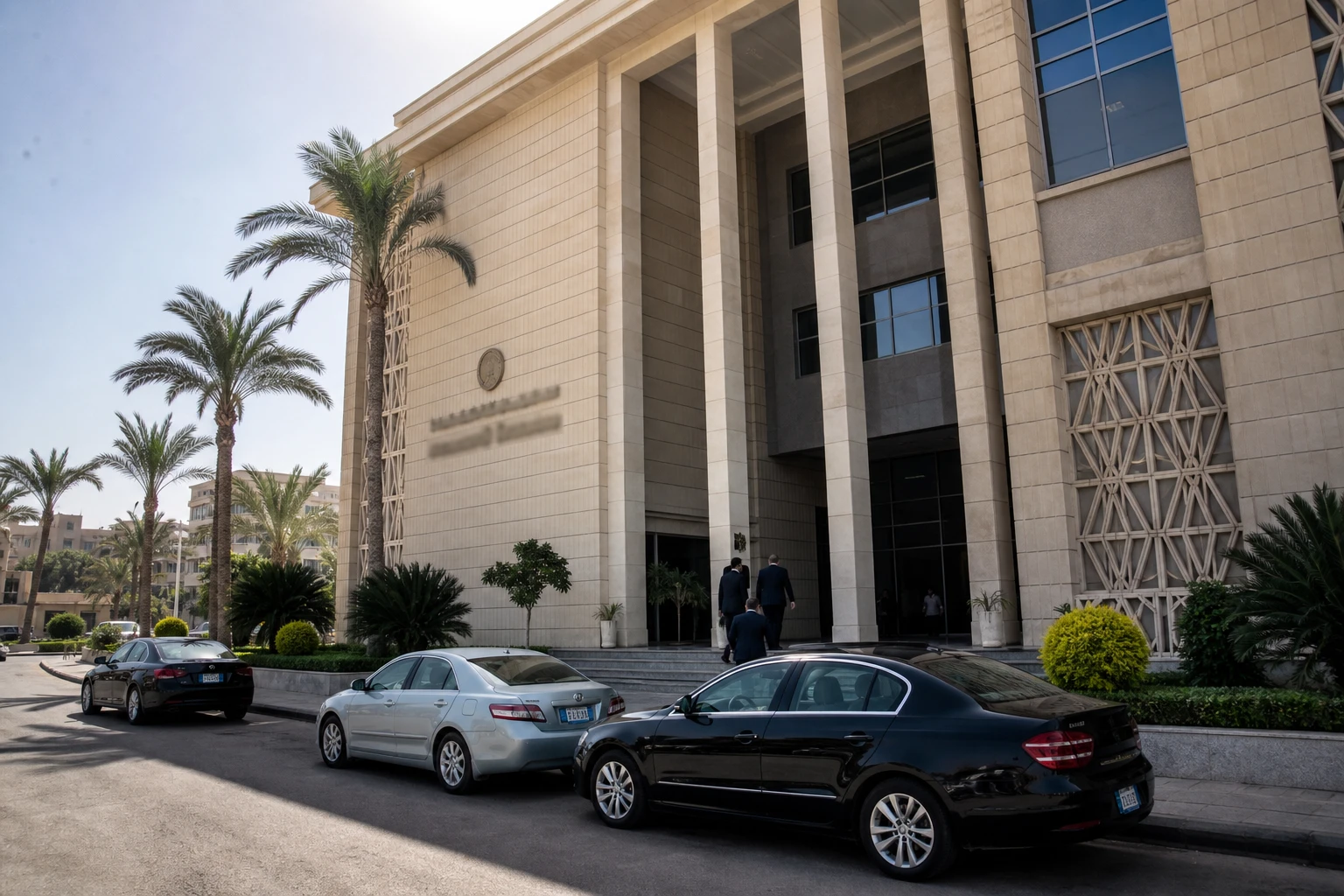
Cairo and Beijing: a relationship of growing importance
In Cairo, major diplomatic announcements are measured not only by the photograph of the two heads of state. They can also be read in construction projects, industrial zones, trade flows and the place a country seeks to occupy between rival power blocs. Xi Jinping’s forthcoming official visit to Egypt fits this pattern: it reflects both the importance of the China-Egypt relationship and Cairo’s determination to remain a useful crossroads, in North Africa and on trade routes towards the Red Sea.
The regional context reinforces this reading. Egypt is facing crises close to home, from Gaza to Sudan, as well as in Libya and amid the fragile balances in the Horn of Africa. Against this backdrop, Cairo is stepping up consultations with key partners, within BRICS, as part of Arab-African cooperation and on development issues that directly affect the real economy. China, meanwhile, is seeking to consolidate its position along an axis stretching from Asia to Mediterranean ports, through investment, infrastructure and commercial outlets.
The Egyptian presidency has confirmed that Xi Jinping is due to visit Egypt “in the coming days” for an official visit and talks with Abdel Fattah al-Sisi. The meeting is expected to focus on strengthening the comprehensive strategic partnership and on several regional and international issues. The trip is scheduled for 30 August to 3 September 2026, as part of a wider tour that also includes Kyrgyzstan.
The visit is particularly symbolic. It will be Xi Jinping’s first official trip to Egypt since January 2016. It also comes as the two capitals mark 70 years of diplomatic relations. Beijing has recalled that Egypt was the first Arab and African country to recognise the People’s Republic of China, in 1956. That date remains central to the diplomatic memory of both countries.
The timing is no coincidence. In May 2024, Abdel Fattah al-Sisi visited Beijing. The two presidents then reaffirmed their commitment to deepening cooperation, particularly in industry, infrastructure and technology transfer. They also approved an executive programme for the comprehensive strategic partnership covering 2024-2028. The document sets out several very specific areas: industrial localisation, electric vehicles, solar panels, chemicals, construction materials, modern agriculture, tourism, media and scientific cooperation.
Strong political ties, but a largely economic agenda
In this relationship, diplomacy follows the map of investment. Egyptian authorities said in early August 2026 that Chinese investment in Egypt exceeded $10 billion. They also noted that trade between the two countries reached $19.52 billion in 2025. These figures point to an already close relationship, but one still skewed towards Egyptian imports from China.
Beijing’s economic weight can be seen in very specific areas. In Egypt, Chinese cooperation covers transport, new cities, energy, telecommunications, heavy industry, logistics and the Suez Canal Economic Zone. The Egyptian government also convened its “China Unit” at the beginning of August to coordinate new projects and accelerate joint investment. This approach is of primary interest to the government, which is seeking capital and technology, but also to Egyptian industrialists looking for technology transfers and wider access to the Chinese market.
Trade nevertheless remains a sensitive issue. Egyptian companies recently signed 17 export contracts worth around $168 million with Chinese buyers. The products range from food and agricultural goods to textiles, minerals and engineering goods. The move points to a clear effort to get more Egyptian products into a vast market, while the trade gap remains significant. Authorities also see an opportunity in the tariff exemption granted to African exports to China since 1 May 2026, a measure that could help Egyptian producers become more competitive.
What the visit could change for Egypt
For Egypt, the visit comes at a useful moment. The country is seeking to boost domestic production, attract more manufacturing investment and reduce its reliance on imports. The government now presents its relationship with China as a lever for industrial localisation, value chains and higher-value exports. This is crucial for Cairo, as pressure on foreign currency, the import bill and job creation remain at the heart of its economic priorities.
For the public, the stakes are more concrete than a summit communiqué. Major Chinese projects can create jobs in construction, industry and logistics. But they must also generate more local benefits: Egyptian subcontracting, technical training, locally manufactured content and genuine access to markets for SMEs. Otherwise, the gains will remain concentrated in a few areas, particularly around Cairo, the Suez Canal and industrial hubs, while inland regions see less impact. This is where the credibility of the cooperation will be tested.
The visit will also carry diplomatic weight. Beijing and Cairo already coordinate their positions in several multilateral forums, including BRICS, where Egypt is seeking to establish itself as a dialogue partner between Africa, the Arab world and the Global South. In an environment shaped by the war in Gaza, tensions in Sudan and instability in the Red Sea, the ability of the two capitals to speak together on regional issues will matter beyond their bilateral relationship. Egypt is defending its role as a balancing power; China, that of an economic and political partner able to move forward without adopting the paternalistic approaches feared by many African states.
A visit to watch for concrete announcements
The trip should therefore be judged by its results, not just its staging. The coming hours will show whether new memorandums are signed, whether investment is announced in industry or energy, and whether the two countries make progress on trade settlement, financing or technological cooperation. That is where the shift from symbolism to implementation will be measured.
The stakes extend beyond Egypt to North Africa. Cairo remains an economic and diplomatic gateway to the continent. When Egypt strengthens its relationship with China, it also influences trade, logistics corridors and discussions on regional industrialisation. Xi Jinping’s visit will therefore say something broader: what place a major Asian partner wants to give Africa in its strategy, and whether African states can gain real room for manoeuvre from it.