Algeria
 Egypt
 Libya
 Morocco
 Sudan
 Tunisia
 Benin
 Burkina Faso
 Cabo Verde
 Côte d'Ivoire
 Ghana
 Guinea
 Guinea-Bissau
 Liberia
 Mali
 Mauritania
 Niger
 Nigeria
 Senegal
 Sierra Leone
 The Gambia
 Togo
 Central African Republic
 Chad
 DR Congo
 Equatorial Guinea
 Gabon
 Republic of the Congo
 São Tomé and Príncipe
 Burundi
 Comoros
 Djibouti
 Eritrea
 Ethiopia
 Kenya
 Madagascar
 Malawi
 Mauritius
 Mozambique
 Rwanda
 Seychelles
 Somalia
 South Sudan
 Tanzania
 Uganda
 Angola
 Botswana
 Eswatini
 Lesotho
 Namibia
 South Africa
 Zambia
 Zimbabwe
A gold-mining site that grew faster than its safeguards
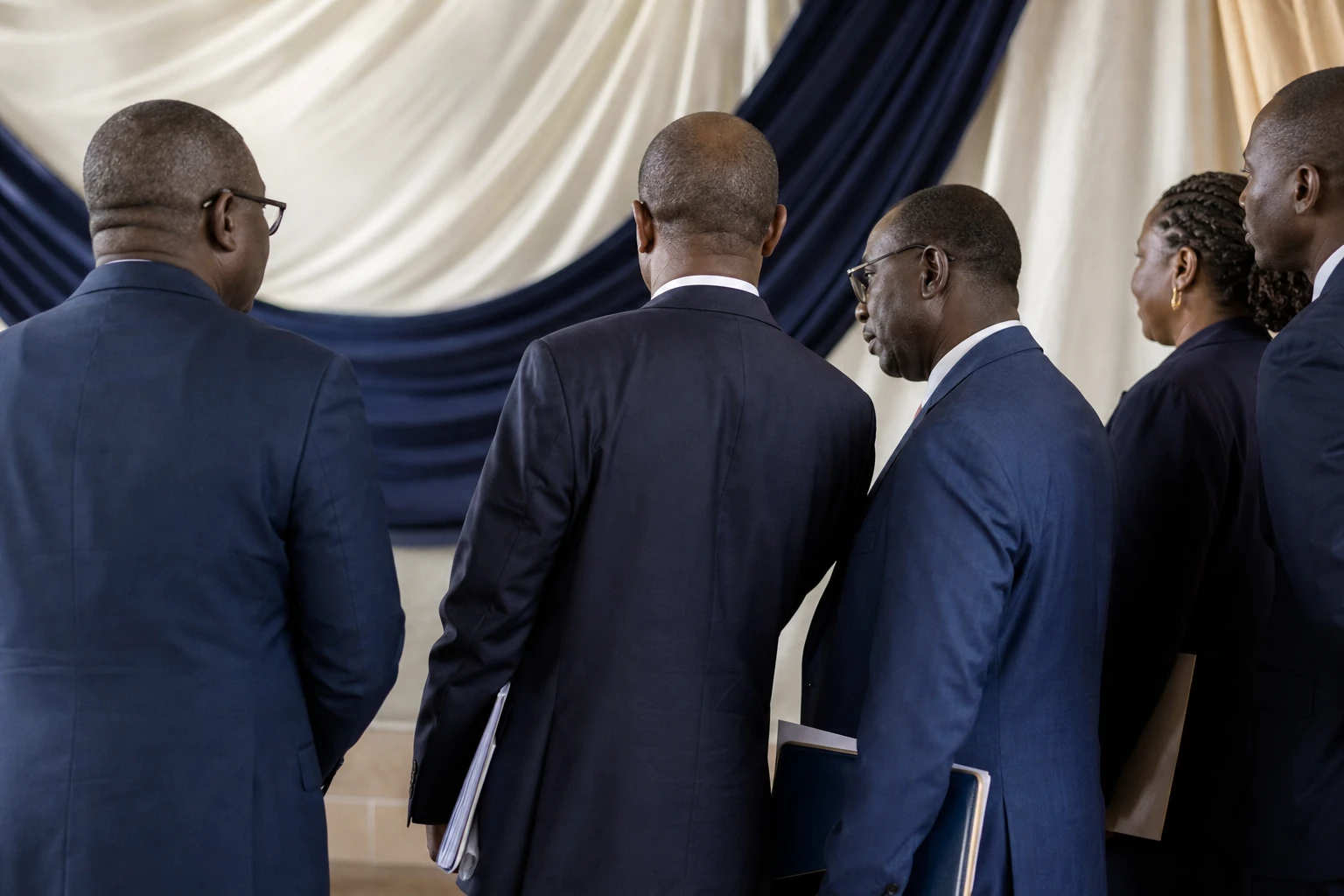
At Zamboï, near Garoua-Boulaï, the earth has delivered a brutal reminder of its price. In this border area of eastern Cameroon, gold has attracted workers, traders and middlemen for months. But activity often moves faster than public oversight, in a region already marked by porous borders and pressure on artisanal mining sites.
The disaster on Tuesday 18 August occurred against this backdrop. According to local authorities, a landslide buried a gold-mining site at Zamboï. Rescue workers recovered 107 bodies or victims from the mud, according to the tally reported at the scene, while searches continue. At this stage, the figure remains provisional and could still change.
Garoua-Boulaï is not an isolated point on a map. It is a crossroads between Cameroon and the Central African Republic, at the heart of a corridor through which goods, families, informal activities and security concerns flow. The area is administered by Cameroon’s East Region, whose capital is Bertoua, but its life also moves to the rhythm of the border, its controls and its transit economies.
An accident that raises questions about accountability
The exact circumstances of the collapse remain to be established. However, Cameroon’s regulatory framework is clear. The new Mining Code, promulgated in late 2023, stipulates that any accident occurring in a mine or quarry must be reported to the relevant authorities and investigated jointly to establish its causes. It also requires holders of mining permits and licences to take safety, hygiene and prevention measures.
This reminder matters because eastern Cameroon has been at the centre of efforts to bring the gold sector back under control for several months. In 2026, the ministry responsible for mines announced restructuring operations, the closure of sites deemed illegal and tighter regulation of semi-mechanised artisanal mining. The authorities say they want to restore order to a sector where the depth of excavations, environmental protection and gold traceability remain problems.
An investigative article published in June had already noted that Zamboï had become one of the hubs of the gold rush in Lom-et-Djérem. This account confirms that the site was not peripheral, but at the heart of a rapid economic movement, sometimes faster than the rules intended to contain it.
In this kind of area, the line between artisanal, semi-mechanised and informal mining remains thin. And the weaker oversight becomes, the greater the risks: landslides, pit collapses, land-use conflicts, waterway pollution and fatal accidents. The Zamboï disaster therefore highlights a familiar problem, but one rarely addressed with the same urgency as the revenues expected from gold.
What this means for local residents, the state and the region
For families in Zamboï, Garoua-Boulaï and neighbouring communities, the issue is not only the death toll. It is also a matter of daily life. An active mining site provides work for young people, handlers, transporters, sellers and service providers. But it also exposes local residents to sudden accidents, the disorderly occupation of land and fragile economic dependence.
For the Cameroonian state, there are two challenges. On the one hand, the country is seeking to capture more of its gold wealth through traceability, taxes at source and the closure of illegal operations. On the other, it must show that public oversight is not merely fiscal, but also humanitarian and technical. An accident on this scale therefore demands clarity about who was operating the site, under what regime, with which permits and under what safety conditions.
The regional context gives the incident wider significance. The Cameroon–Central African Republic border is already a sensitive area, crossed by commercial flows but also affected by security vulnerabilities. Garoua-Boulaï is a strategic gateway to the CAR. When a mining site in this corridor collapses, the event affects worker safety, border management and the reputation of the entire local gold supply chain.
For the Central African Republic, its immediate neighbour, the impact is indirect but real. Border areas depend on mobility. A crisis at a site close to the border can displace workers, expand informal activity and increase pressure on already limited services. It is also a reminder that cross-border mining economies are never purely national. They quickly spill over from one side of the border to the other.
A warning for Central Africa beyond Cameroon
At subregional level, this disaster resonates across Central Africa. CEMAC, which includes Cameroon and the CAR, is seeking to strengthen economic integration. But sustainable integration also requires safer value chains, better-regulated mines and stronger resource governance. Without these, gold remains a source of wealth that can turn into a social and health risk.
The case of Zamboï also highlights a reality across the continent: mining rush areas often advance faster than the institutions responsible for regulating them. Workplace safety, community protection and the transparency of mining operators are not secondary issues. They are central to the credibility of states, especially when natural resources become a fiscal and political lever.
What happens next will depend on three very concrete factors. First, the precise identification of the type of operation in place at Zamboï. Second, the outcome of the rescue operations and the final death toll. Finally, the findings of the administrative and technical investigation required under Cameroon’s legal framework. This is where the difference will be made between a tragic news event and a genuine correction of the system.