Algeria
 Egypt
 Libya
 Morocco
 Sudan
 Tunisia
 Benin
 Burkina Faso
 Cabo Verde
 Côte d'Ivoire
 Ghana
 Guinea
 Guinea-Bissau
 Liberia
 Mali
 Mauritania
 Niger
 Nigeria
 Senegal
 Sierra Leone
 The Gambia
 Togo
 Cameroon
 Central African Republic
 Chad
 DR Congo
 Equatorial Guinea
 Gabon
 Republic of the Congo
 São Tomé and Príncipe
 Burundi
 Comoros
 Djibouti
 Eritrea
 Ethiopia
 Kenya
 Malawi
 Mauritius
 Mozambique
 Rwanda
 Seychelles
 Somalia
 South Sudan
 Tanzania
 Uganda
 Angola
 Botswana
 Eswatini
 Lesotho
 Namibia
 South Africa
 Zambia
 Zimbabwe
Household budgets under pressure
In Antananarivo, rising prices for rice, cooking oil and flour are felt not only at market stalls. They weigh first on daily meals, trips to the market and the choices of families already living on tight budgets. In this context, the authorities are seeking a visible lever: curbing market abuses and showing that they will not leave soaring prices unanswered.
This response is not isolated. Madagascar faces inflation that national statisticians continue to monitor closely, while economic authorities regularly warn that essential goods, known as PPN, remain vulnerable to external shocks. INSTAT is still publishing detailed consumer price index data in 2026, including specific series for rice, imported products and energy.
Legislation, but not a cure-all
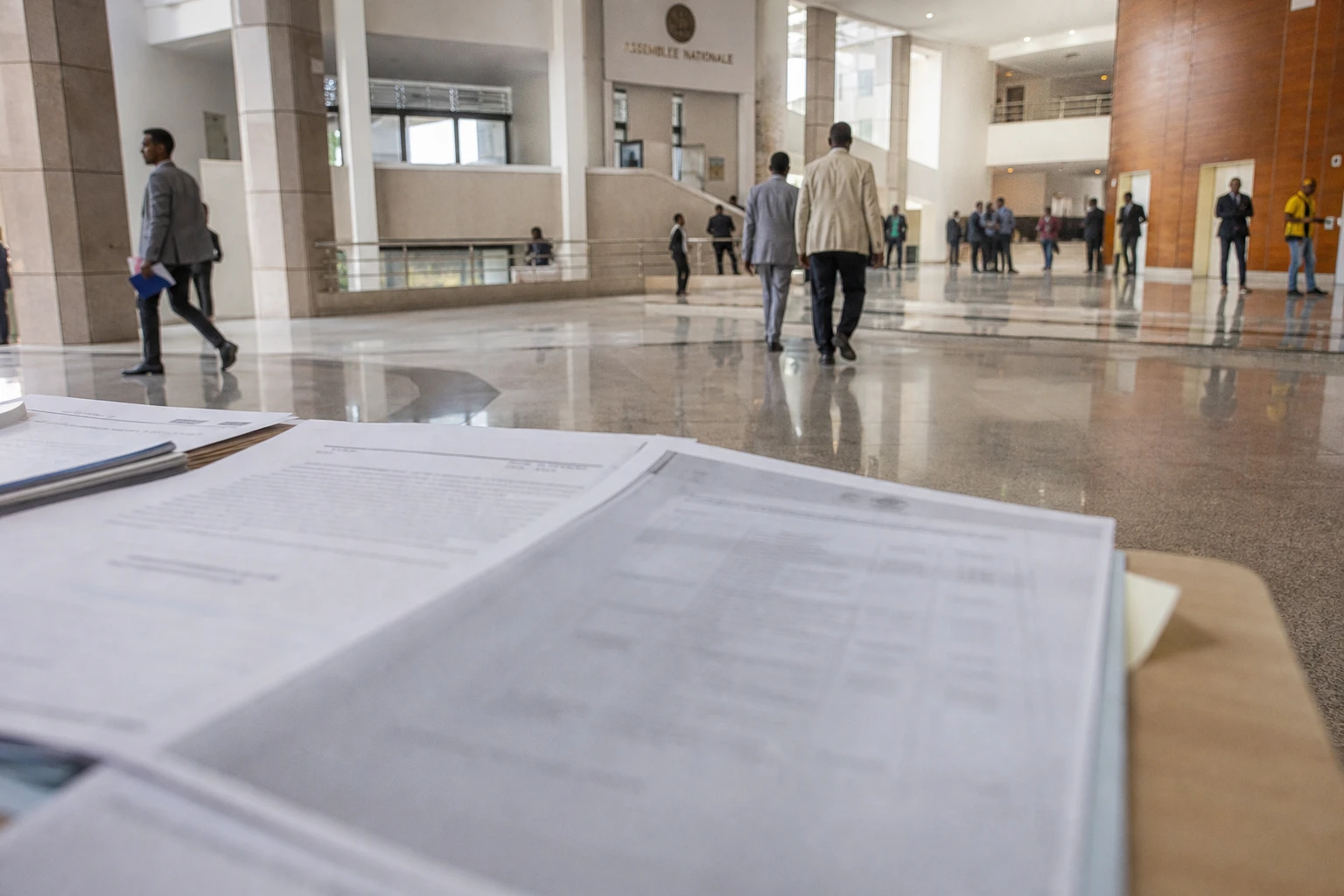
The Malagasy government is working on a bill to penalise traders suspected of deliberately stockpiling goods to create artificial shortages, or of raising their margins beyond levels deemed acceptable. The text must then be examined by the National Assembly, where it is already in the process for bills submitted by the executive. On the lower house’s website, several recent texts are marked “bill” and are following the usual submission and review procedure.
The Minister of Trade and Consumer Affairs, Michela Haingotiana Andriamadison, has for her part stepped up calls for “fair prices” for consumers. The ministry she leads is now publishing several items on consumer protection and market regulation, signalling that Antananarivo wants to present a more structured approach to prices.
But this lever addresses only part of the problem. In recent years, the state has already tried to intervene in the distribution of rice and other PPN, including through meetings with importers, transporters and consumer associations, and subsidised rice schemes in some areas. Such measures can ease temporary pressure. On their own, they do not change the Malagasy market’s dependence on imports.
The real crux: imports, energy and a limited productive base
The central issue is structural. Madagascar imports a significant share of its food and industrial inputs. Official and semi-official sources regularly point out that rice, cooking oil, flour and petroleum products weigh heavily in price formation. The Malagasy Office of Hydrocarbons notes that the downstream petroleum sector remains regulated and strategic, because any change in the cost of supply is quickly passed on to the rest of the economy.
This sensitivity is reinforced by rice’s importance in daily consumption. Madagascar’s tax and budget administration has previously highlighted the knock-on effect of rice prices on overall inflation. In other words, when rice prices rise, the rest of the basket often follows. This is all the more true because local production remains exposed to weather, road conditions and collection costs.
International figures confirm this vulnerability. UNCTAD’s trade-dependence profiles show that Madagascar has remained a net importer of food and energy in recent years, with purchases of foodstuffs and energy products accounting for a significant share of its trade balance. The country is also a member of SADC, the Southern African Development Community, a regional framework that aims, among other things, to promote economic integration and food security.
What the law can change — and what it cannot
An anti-speculation law could have a real, but targeted, effect. It could deter stockpiling, curb some abusive practices and give the administration clearer enforcement tools. It could also restore a degree of trust between households, retailers and the state in a country where neighbourhood markets play a decisive role in access to food.
However, it will not bring down global prices for rice, oil or sea freight. Nor will it repair, in the short term, the weaknesses of the local industrial base, which remains too limited to replace large-scale imports. This is where the bill’s political limits lie: it addresses the most visible market practices, but not the root causes of imported inflation. This reading is consistent with recent public analysis of Madagascar’s dependence on imported goods and the rapid pass-through of external shocks.
For urban households, the struggle is over daily prices. For rural producers, it is also about selling paddy, transport costs and access to reliable markets. For importers, it depends on foreign currency, transport and customs procedures. The same word, “inflation”, therefore covers very different realities in Antananarivo, the main provincial cities and remote areas.
A Malagasy issue, but also a regional one
At the regional level, the issue extends beyond Madagascar. SADC emphasises economic integration, food resilience and poverty reduction. When a member state tackles speculation while remaining dependent on imports, it highlights a question shared by several African economies: how can consumers be protected without obscuring the vulnerabilities of local production and supply chains?
For Antananarivo, the immediate challenge is parliamentary. The bill must pass through the National Assembly before it can be implemented. For the country, the challenge is broader: to combine price regulation, a revival of production and secure imports. Without all three, the fight against speculation will remain useful, but incomplete.