Algeria
 Libya
 Morocco
 Sudan
 Tunisia
 Benin
 Burkina Faso
 Cabo Verde
 Côte d'Ivoire
 Ghana
 Guinea
 Guinea-Bissau
 Liberia
 Mali
 Mauritania
 Niger
 Nigeria
 Senegal
 Sierra Leone
 The Gambia
 Togo
 Cameroon
 Central African Republic
 Chad
 DR Congo
 Equatorial Guinea
 Gabon
 Republic of the Congo
 São Tomé and Príncipe
 Burundi
 Comoros
 Djibouti
 Eritrea
 Ethiopia
 Kenya
 Madagascar
 Malawi
 Mauritius
 Mozambique
 Rwanda
 Seychelles
 Somalia
 South Sudan
 Tanzania
 Uganda
 Angola
 Botswana
 Eswatini
 Lesotho
 Namibia
 South Africa
 Zambia
 Zimbabwe
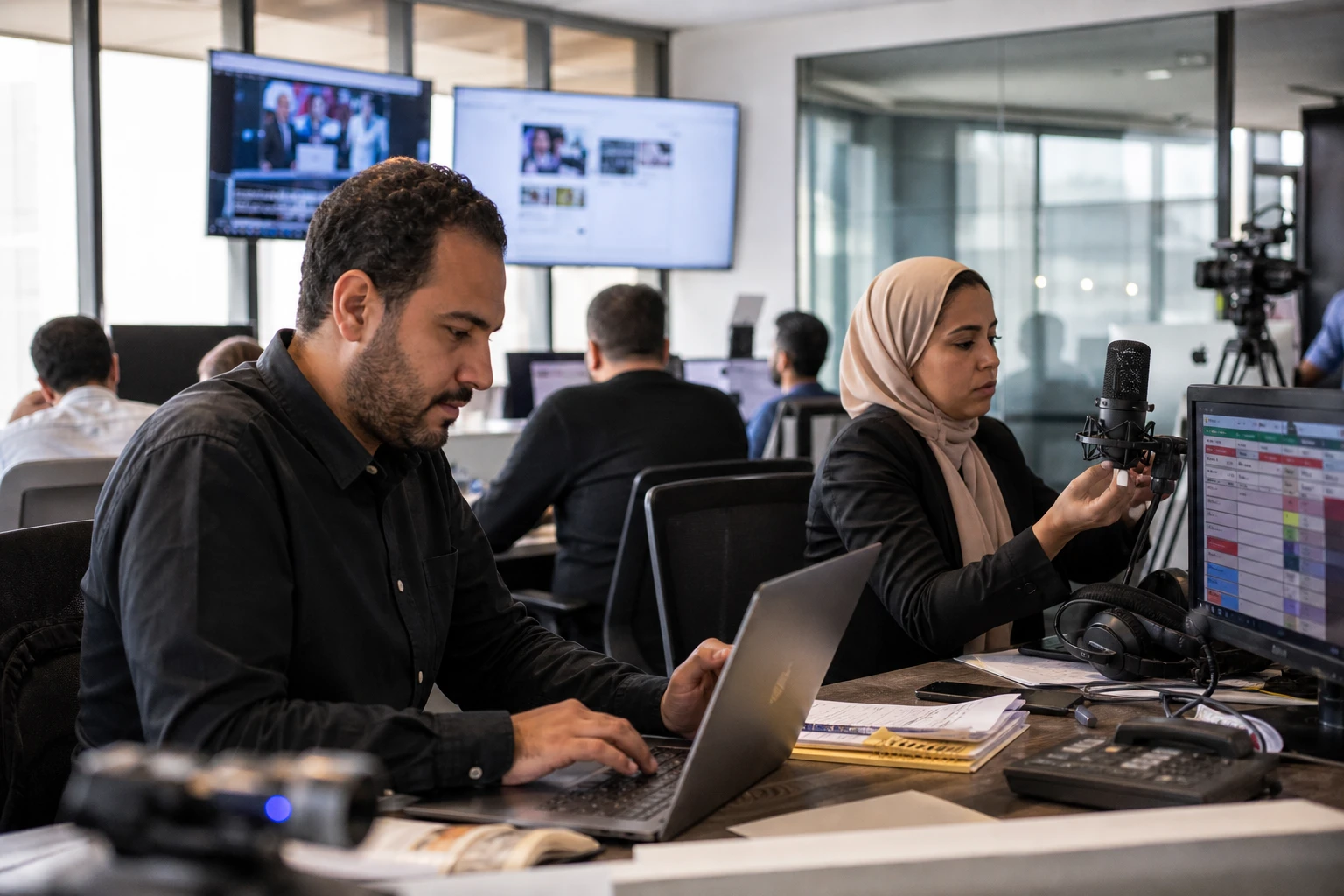
Cairo’s security opening calls for intentions to be clarified
In a region where every security agreement is immediately viewed through the lens of power balances, every word matters. Egypt, whose diplomacy seeks to remain at the centre of regional affairs, is once again at the heart of a conversation combining defence, sovereignty and strategic calculation.
The issue is not merely a simple announcement. It also touches on Cairo’s role as a platform for coordination between regional powers. In June 2026, Egypt had already hosted a quadrilateral consultative meeting in Cairo with Turkey, Saudi Arabia and Pakistan, officially presented as a forum for consultations on major regional issues, not as a closed military alliance.
A framework still shifting between consultation and alliance
According to several international media reports, Turkey, Saudi Arabia and Pakistan signed a defence agreement in Mecca on 7 August 2026, presented as mutual and open to other countries. The agreement is described as a collective guarantee, with a clause similar to Article 5 of NATO, but the signatories say it is directed against no particular state.
In this context, Ankara is pushing to expand the format to include Egypt. Turkish Foreign Minister Hakan Fidan has presented this drive as a search for regional stability and argued that the countries concerned have an interest in strengthening their own security architecture. The argument is political as much as military: to build a regional response to crises that are multiplying, from the Gulf to the eastern Mediterranean.
Egypt’s tone is more cautious. Badr Abdelatty explained that, in matters of defence cooperation, and given the obligations that follow from it, an in-depth review is necessary, in accordance with the Egyptian Constitution and legal obligations. This caution is not a refusal. It reflects Cairo’s desire to verify the exact contents of the text before making any commitment.
What Egypt is seeking to protect
For Egypt, the issue goes beyond its bilateral relationship with Turkey or Saudi Arabia. It touches on its own security doctrine: avoiding automatic commitments that could limit its room for manoeuvre, while retaining its role in issues where it already carries weight, such as Gaza, the Red Sea, Libya, Sudan and the stability of its eastern neighbourhood. The discussions on 21 June in Cairo focused specifically on Gaza, Sudan, Libya, the Iran file and the Horn of Africa.
This cautious approach also reflects an institutional reality. In Egypt, external commitments involving defence and strategic obligations cannot be treated as a simple political gesture. The government wants to retain control over the legal interpretation and the diplomatic pace. In other words, Cairo is willing to listen, but refuses to sign under pressure.
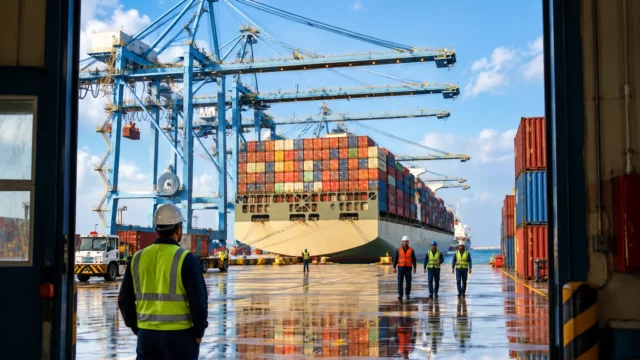
Domestically, this directly concerns Egypt’s priorities: protecting maritime security, maintaining trade flows, containing regional shocks to the economy and avoiding involvement in a rigid alignment. For an economy heavily exposed to shipping routes and regional tensions, the issue is not abstract. It affects transport costs, investment and the country’s ability to remain a regional gateway rather than merely a theatre for expanding rivalries.
Regional implications go well beyond the Turkey-Riyadh-Islamabad triangle
The developments also shed light on a broader trend: several capitals in the Middle East and Muslim Asia are now seeking security frameworks less dependent on major external powers. The Cairo quadrilateral meeting and the agreement signed in Mecca show that a space for regional coordination is taking shape, even if its contours remain unclear.
For Egypt, this trend is both an opportunity and a test. An opportunity, because it confirms its diplomatic weight in the Arab world and North Africa. A test, because a defence agreement entails concrete obligations, precise legal definitions and command mechanisms that must be clarified before any accession. In practice, Cairo wants to avoid a regional text being seen as a blank cheque.
At the continental level, the stakes go beyond the eastern Mediterranean alone. The emergence of flexible security formats, underpinned by consultations between influential states, could inspire other African regions already grappling with fragmented collective responses. For the African Union and the continent’s regional frameworks, the message is clear: security is now negotiated as much between neighbours as with external powers. The issue will bear watching through the next technical discussions between the capitals concerned and the way Egypt translates its political caution into an official position.