Algeria
 Egypt
 Libya
 Morocco
 Sudan
 Tunisia
 Benin
 Burkina Faso
 Cabo Verde
 Côte d'Ivoire
 Ghana
 Guinea
 Guinea-Bissau
 Liberia
 Mali
 Mauritania
 Niger
 Nigeria
 Senegal
 Sierra Leone
 The Gambia
 Togo
 Cameroon
 Central African Republic
 Chad
 DR Congo
 Equatorial Guinea
 Gabon
 Republic of the Congo
 São Tomé and Príncipe
 Burundi
 Comoros
 Djibouti
 Eritrea
 Ethiopia
 Kenya
 Madagascar
 Mauritius
 Mozambique
 Rwanda
 Seychelles
 Somalia
 South Sudan
 Tanzania
 Uganda
 Angola
 Botswana
 Eswatini
 Lesotho
 Namibia
 South Africa
 Zambia
 Zimbabwe
A group with no room for error, and a night that changed everything
In a competition where every goal could alter the standings, the 2026 Women’s Africa Cup of Nations’ Group C offered a simple reminder: in football, status is no guarantee. In Rabat, Malawi wrote a new page in their history, while Nigeria confirmed that they remain a continental force, even after a difficult start. Zambia, meanwhile, left the tournament with the bitter feeling of having done the job without being rewarded.
The scenario unfolded in a Moroccan edition running from 26 July to 16 August 2026, with four groups of four teams and a format in which the top two in each group qualify directly for the quarter-finals. Beyond the trophy, the competition also forms part of the route to the 2027 Women’s World Cup in Brazil, giving every match broader sporting and institutional significance.
Malawi make history in a competitive group
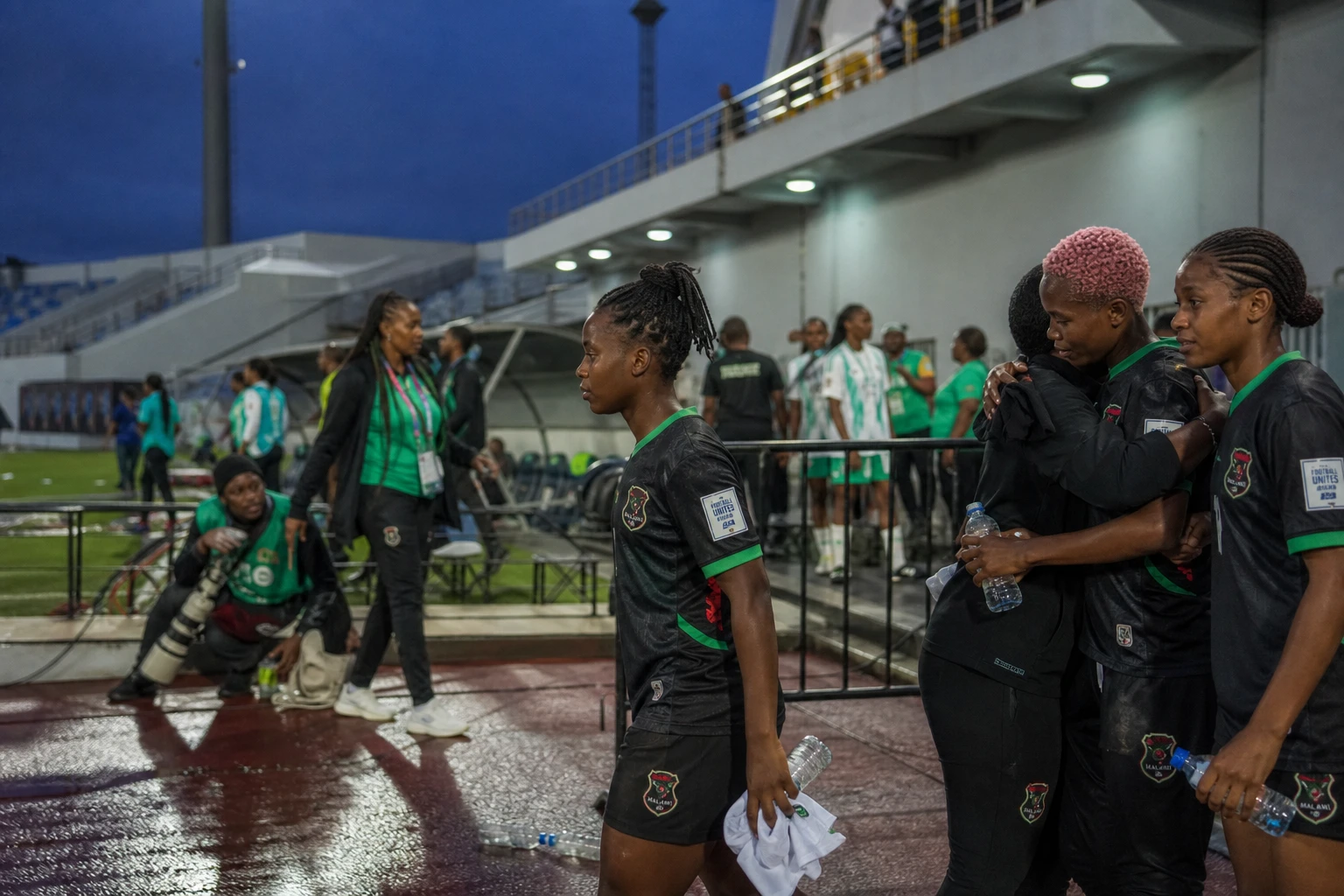
The night’s defining moment was Malawi’s qualification for the quarter-finals, a first at this stage in the Scorchers’ history. Malawi lost 2-1 to Zambia on the final matchday, but retained top spot in the group thanks to a better goal difference in a tight mini-table between the three teams on six points. This detail, often decisive in major tournaments, gave Malawi an outcome few observers had anticipated at the draw.
The match began badly for Malawi. Zambia took the lead in the first minute through Barbra Banda, before Prisca Chilufya doubled the advantage in the 37th minute. But Malawi found strength after the break. Captain Tabitha Chawinga brought her side back into the game in the 72nd minute with an individual effort that changed the pace of the match and the tension in the stands.
What followed was pure suspense. Zambia pushed for a third goal, with a shot from Kabange Mupopo hitting the post in the closing moments, but the score did not change. The Copper Queens won the match, but failed to remain in the tournament. Malawi, meanwhile, gained far more than an honourable defeat: a landmark qualification for women’s football in the country.
Nigeria respond with authority
In the group’s other match, Nigeria rediscovered the high standards that have made them a force for years. After losing earlier in the group stage, the Super Falcons dominated Egypt 6-2 at Rabat’s Olympic Stadium. Asisat Oshoala opened the scoring from the penalty spot, then Gift Monday extended the lead before half-time. After the break, Uchenna Kanu, Christy Ucheibe, Rasheedat Ajibade and Joy Omewa joined in an attacking display that restored the expected order on paper.
The victory nevertheless confirmed a reality more interesting than the score alone: Nigeria did not dominate every match in this group, but they were able to get back on track at the right moment. That is often what distinguishes a great team from one that is merely talented. Their attacking output, ability to step up in key moments and strength in depth ultimately made the difference.
For Egypt, the experience remains valuable, even if the final standings did not go their way. The team scored twice against one of the continent’s leading sides, signalling progress that should be viewed alongside the growing strength of women’s football in several North and East African countries. In a tournament where the gaps are narrowing, this kind of performance can matter in the future.
What this group says about African women’s football
Group C highlights a clear shift in African women’s football: teams long considered outsiders are now disrupting established hierarchies. Malawi, the surprise package, secured their place in the finals after a strong qualifying campaign, including a 2-0 win over Angola in the final qualifying round. Zambia, meanwhile, have an established foundation at the highest continental level, with regular appearances in major competitions and players among the best known on the continent.
The contrast matters for football associations. A quarter-final place does more than add a line to the record books. It can also raise players’ profile, boost the appeal of domestic leagues and influence the priorities of ministries and sponsors. For a country such as Malawi, this qualification could provide a practical lever to develop women’s football further. For Nigeria, it sustains a standard of excellence that requires the coaching staff to match the team’s ambitions.
The continental significance is clear. As the Women’s AFCON also serves as a pathway to the 2027 World Cup, every team that reaches the last four strengthens its chances of extending its international season. Host nation Morocco also provides an organised setting centred on Rabat and Casablanca, with a compact schedule and fixtures that showcase national teams from every region of the continent. The rest of the tournament will show whether Malawi can build on their momentum and whether Nigeria can turn their resurgence into another step towards the title.