
 Algeria
 Egypt
 Libya
 Morocco
 Sudan
 Tunisia
 Benin
 Burkina Faso
 Cabo Verde
 Côte d'Ivoire
 Ghana
 Guinea
 Guinea-Bissau
 Liberia
 Mali
 Mauritania
 Niger
 Nigeria
 Sierra Leone
 The Gambia
 Togo
 Cameroon
 Central African Republic
 Chad
 DR Congo
 Equatorial Guinea
 Gabon
 Republic of the Congo
 São Tomé and Príncipe
 Burundi
 Comoros
 Djibouti
 Eritrea
 Ethiopia
 Kenya
 Madagascar
 Malawi
 Mauritius
 Mozambique
 Rwanda
 Seychelles
 Somalia
 South Sudan
 Tanzania
 Uganda
 Angola
 Botswana
 Eswatini
 Lesotho
 Namibia
 South Africa
 Zambia
 Zimbabwe
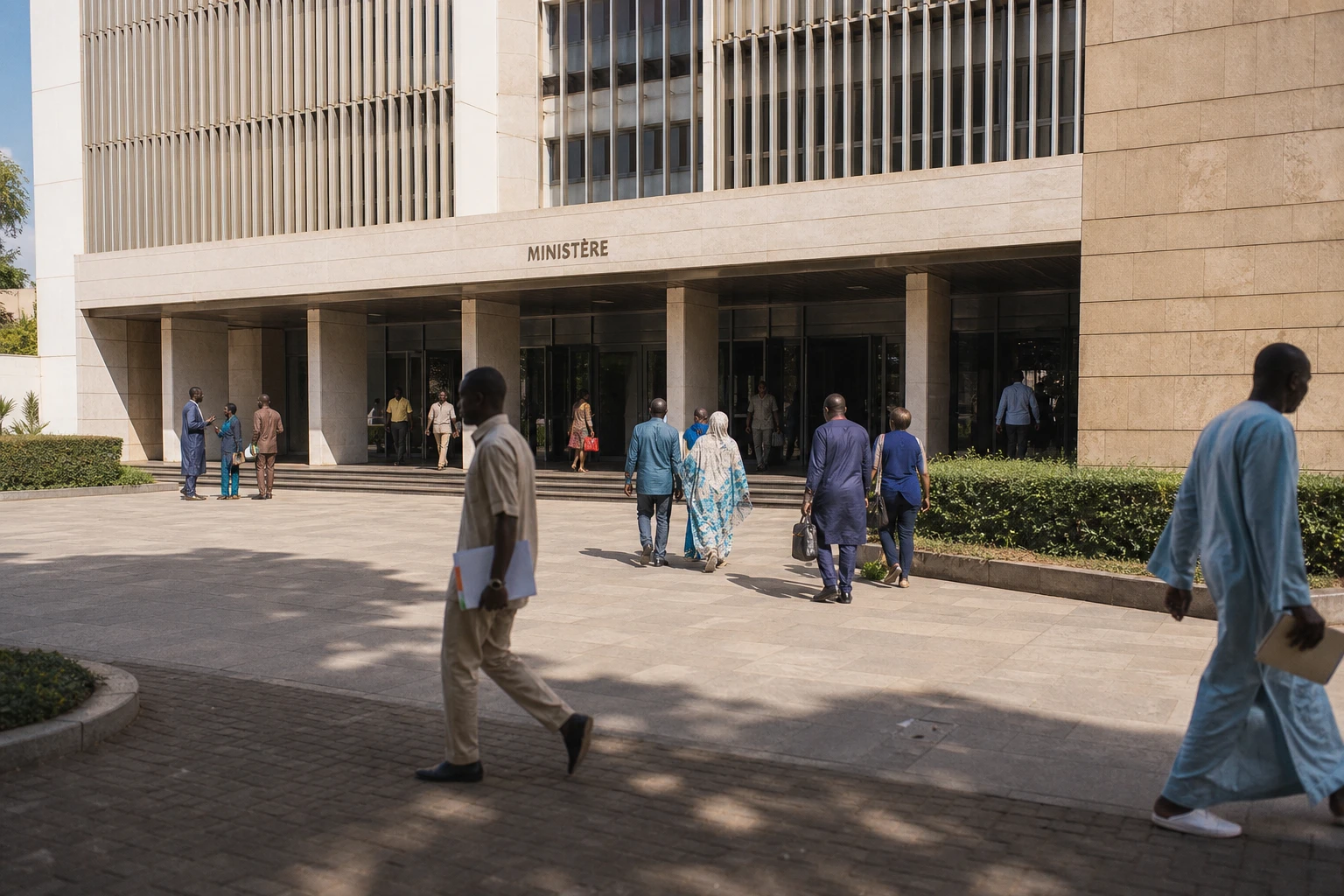
In Senegal, the crackdown is no longer confined to the same faces
In Dakar, fear has taken a new form. For a long time, prosecutions linked to “acts against nature” mainly affected men, amid an already oppressive climate of social surveillance and denunciations. Now women are also being cited by rights groups as new targets of a crackdown that is growing in scale and visibility. In a country where questions of morality remain a highly sensitive political marker, this shift says something important: the judicial and police apparatus is no longer targeting only people already exposed, but is extending its reach to others, including women whose mobility and isolation can make it harder to defend themselves.
This development is part of a recent legal sequence. On 11 March 2026, the National Assembly adopted a bill amending Article 319 of the Criminal Code. On 30 March 2026, President Bassirou Diomaye Faye promulgated it. The new law increases penalties, raising the maximum sentence to ten years in prison under the amended wording, and also broadens the definition of “acts against nature” and offences related to their “promotion” or financing.
A tougher law, more visible arrests
The context is now clear. From February 2026, law enforcement agencies stepped up arrests for acts presented as linked to homosexuality, sometimes alongside other accusations such as the deliberate transmission of HIV or endangering another person’s life. Human Rights Watch documented the arrest of twelve men in Dakar on 9 February. The organisation also noted that prosecutions had taken place before, but that the new legislative phase was heightening fear among those affected.
At institutional level, the signal is strong. The bill was put forward by the executive, presented to a technical committee, and then publicly defended as a clarification of criminal law. According to the Senegalese Press Agency, the text now defines the conduct targeted more clearly and removes wording considered too vague. This legal precision may seem technical. In practice, it gives the police and judicial authorities greater scope to act, especially when the offence is already socially stigmatised.
On the ground, this tough approach is translating into more tangible pressure. Several arrests have been followed by pre-trial detention, including some under a committal order. The case of eight women cited by an association fits into this trend. So far, this information could not be corroborated by a second independent publicly accessible source; it should therefore be read as an alert from an association, rather than as an isolated fact definitively established to the same standard as an official statement or court ruling.
What this means for those targeted and for Senegalese society
The shift is significant for the women concerned. In many cases, lesbian women or those perceived as such do not have the same scope to avoid detection as men living alone or moving around more freely. Family isolation, economic dependence, control of the home or surveillance of movements can make it harder to flee. This is precisely what rights defenders interviewed in the region emphasise: the crackdown no longer merely excludes; it confines.
The social impact of this period must also be considered. In Senegal, the stigmatisation of LGBT people does not come solely through the law. It is fuelled by alerts on social media, campaigns of outrage, public accusations and sometimes private violence. Human Rights Watch has for several years reported arbitrary arrests, threats and physical assaults targeting LGBT people or those perceived to be LGBT. The legislative tightening of March 2026 turns this climate into a more robust framework for action by the authorities.
This situation also has a health and civic dimension. When sexual orientation or a presumed reputation becomes a source of fear, those affected are more reluctant to seek medical care, report violence or ask for assistance. In a country where prosecutions have already been linked to the “deliberate transmission” of HIV, there is a risk of further conflating public health, social control and criminal punishment. This creates confusion that weighs on those directly targeted, as well as on families, associations and health professionals.
A signal across West Africa
The Senegalese case extends far beyond the national context. Senegal remains a major political player in West Africa and within ECOWAS, where the balance between sovereignty, fundamental rights and social pressure varies considerably from one state to another. When Dakar tightens its legislation on homosexuality, the country sends a message that resonates throughout the sub-region, particularly in Francophone areas where debates on morality, criminal law and civil liberties are often highly politicised.
The issue also matters because Senegal often serves as an institutional point of reference for its neighbours. Its judicial system, administration and media environment give its choices significance beyond its borders. Regional and continental actors, including the African Commission on Human and Peoples’ Rights, are therefore closely watching how an African state combines the retention of a repressive criminal provision, tougher penalties and an expansion of the scope for prosecution.
What happens next will depend on how the law is applied in practice and on the first court rulings under the new regime. The coming months will show whether the arrests recorded in February and spring 2026 remain scattered cases or become a lasting line of government action. In Dakar and across the region, the debate is no longer only about professed morality. It is now about the reach of criminal powers, the place of individual freedoms and the state’s ability to distinguish law, health and social pressure.



