Algeria
 Egypt
 Libya
 Morocco
 Sudan
 Tunisia
 Benin
 Burkina Faso
 Cabo Verde
 Côte d'Ivoire
 Ghana
 Guinea
 Guinea-Bissau
 Mali
 Mauritania
 Niger
 Nigeria
 Senegal
 Sierra Leone
 The Gambia
 Togo
 Cameroon
 Central African Republic
 Chad
 DR Congo
 Equatorial Guinea
 Gabon
 Republic of the Congo
 São Tomé and Príncipe
 Burundi
 Comoros
 Djibouti
 Eritrea
 Ethiopia
 Kenya
 Madagascar
 Malawi
 Mauritius
 Mozambique
 Rwanda
 Seychelles
 Somalia
 South Sudan
 Tanzania
 Uganda
 Angola
 Botswana
 Eswatini
 Lesotho
 Namibia
 South Africa
 Zambia
 Zimbabwe
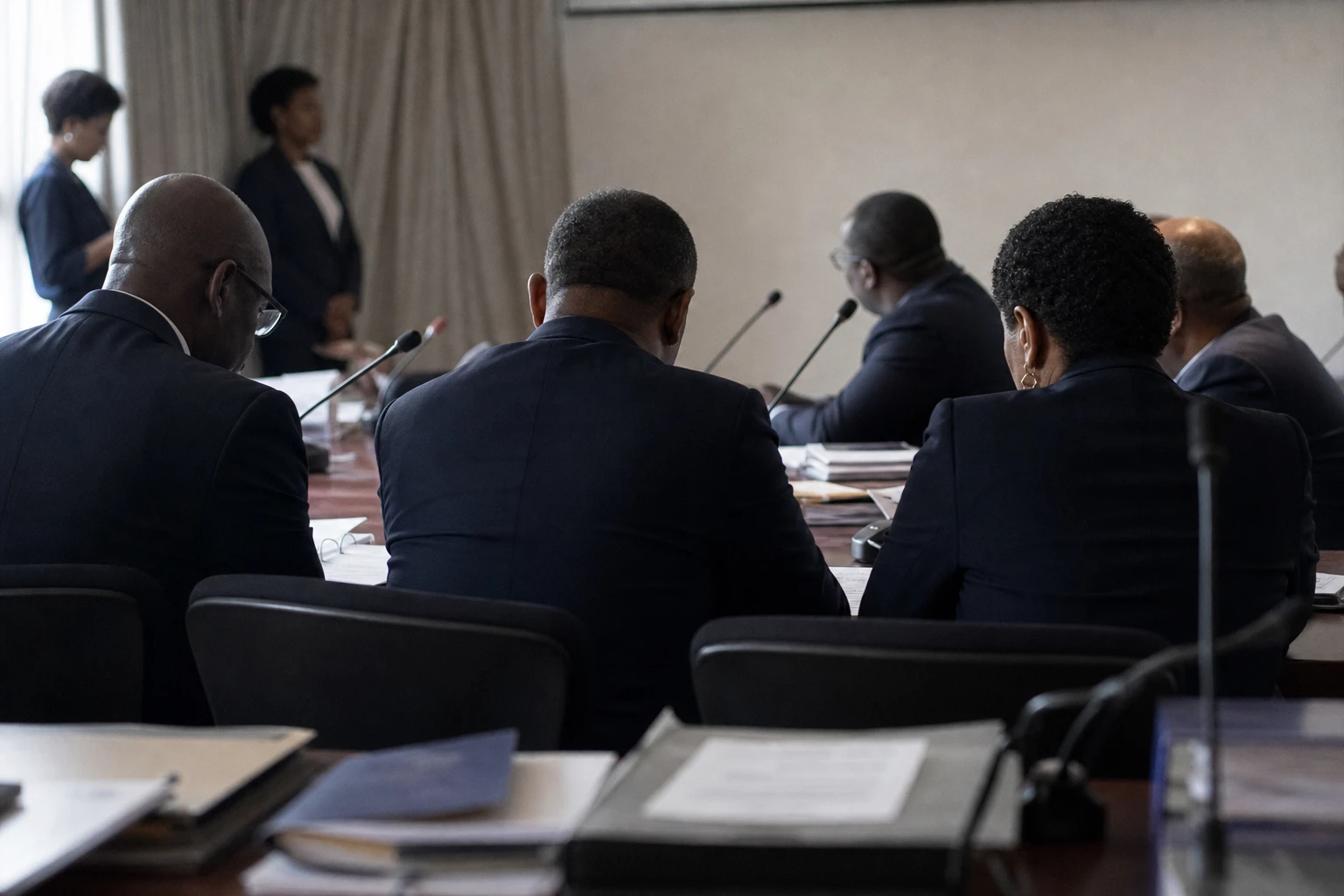
In Monrovia, the fight against cocaine is also being waged in offices
In Liberia, the question is no longer just how much drugs are moving. It has become more serious: who allowed the consignments through, and at what level of the state did the complicity begin? After several major seizures, the Liberian authorities have chosen to strike at their own security apparatus. The signal is political. But above all, it shows how deeply drug trafficking has taken root in institutions meant to protect the country.
This case is part of a much broader West African context. For several years, ECOWAS and the United Nations have warned about the movement of cocaine between South America, West Africa and Europe. West Africa serves both as a logistical corridor and, increasingly, as a zone for storage, redistribution and money laundering. This shift in routes is putting pressure on security, public health and the credibility of institutions in Liberia and its neighbours.
Sackings follow two seizures that made headlines
The starting point is clear. On 8 June 2026, Liberian authorities intercepted about 237.6 kilograms of cocaine at Roberts International Airport, near Monrovia, with an estimated value of more than $19 million. The government then opened a joint investigation involving several agencies: police, anti-drug authorities, national security, immigration, customs, airport security and the justice system. On 21 July, another, much larger seizure took place in Duazon, east of the capital. There, Liberian agencies discovered 3,971 kilograms of cocaine, nearly four tonnes, with a stated value of $317 million.
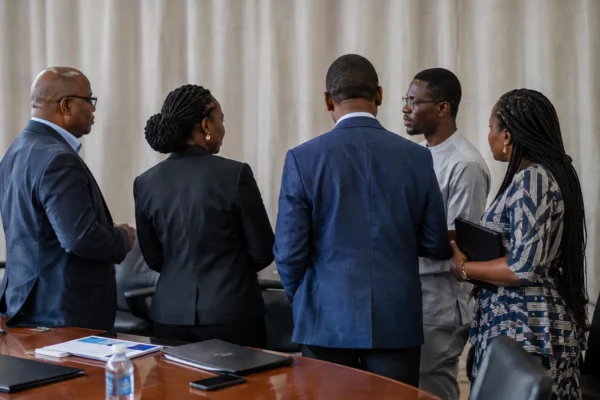
In the wake of the seizures, the presidency removed around a dozen officials from the airport, police and security services, while ordering internal and judicial investigations. The names cited by the authorities and the press include officials linked to the country’s main airport, traffic police and criminal investigation units. Some are now suspects or have been implicated. Others have been suspended on administrative grounds. In every case, the message from Monrovia is clear: the matter will no longer be treated as a simple seizure case, but as a governance crisis.
President Joseph Boakai has taken a tougher public line. In his statement on 16 June, he said Liberia was “not open” to drug trafficking and that no network should turn the country into an operational base, transit point or financial centre. The relevant agencies have echoed this position, describing an approach based on intelligence and inter-agency cooperation.
A test of credibility for the Liberian state
What makes this episode new is not only the quantity seized. It is the suspicion of internal compromise. That is what makes the case sensitive for Liberian institutions. When cocaine consignments pass through an international airport, and another part of the operation is suspected of having benefited from support within the security forces, the issue goes beyond organised crime. It touches the chain of command, customs checks, border surveillance and public trust in the state.
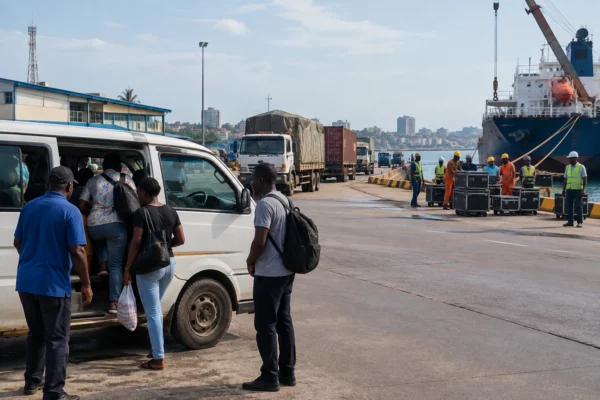
Liberia is not alone in facing this phenomenon. Comparable cases have been documented in West Africa, from the port of Lagos to seizures in Cape Verde, as well as transfers through the Gulf of Guinea. UNODC analysts have long warned that criminal networks adapt their routes to weaknesses in controls, the most vulnerable ports and the most fragile administrative structures. In this pattern, the major logistical hubs along the West African coast matter just as much as land borders.
In Liberia, the impact is also social. The high-profile seizures resonate in the capital, where networks are visible and a police response is expected. But the consequences extend far beyond Monrovia. Poor neighbourhoods, precarious young people, families affected by crack use and communities along trafficking routes are already feeling the effects of the local drug market. In 2025, women’s organisations had mobilised thousands of people to call for a tougher public response. That mobilisation highlighted a concern that had become national, not merely a security issue.
What Liberia is now watching closely
What happens next will depend on two things. First, the investigators’ ability to link the seizures, arrests and suspected complicity in a robust case. Second, the political will to see the process through, including if the investigations reach more senior figures. The precedent set in 2025, when President Boakai had already reorganised the leadership of the anti-drug agency, shows that he is seeking to regain control of a contested apparatus. But Liberians expect more than a wave of sanctions. They expect prosecutions, convictions and lasting reform of vulnerable points of entry.
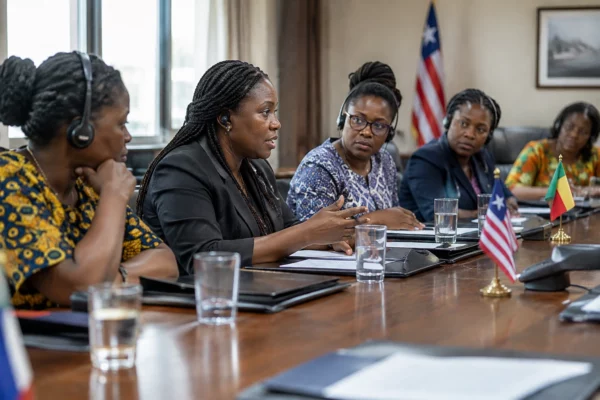
The regional timetable adds pressure. On 7 July 2026, ECOWAS opened a workshop in Freetown on illicit drug flows and risks to human security in the Mano River Union. The timing is no coincidence. It shows that the issue is now being treated as a regional threat, rather than a series of isolated national incidents. For Monrovia, the challenge is therefore twofold: to restore the authority of the state at home, and to prove to its West African partners that Liberia can contain trafficking that thrives precisely on gaps in regional coordination.
The case has clear continental significance. Liberia is becoming a textbook example of a broader African reality: when cocaine routes shift, they also reveal the strength or fragility of the states they pass through. The question is therefore not just a legal one. It is institutional. And it concerns all of West Africa, beyond Monrovia.