Algeria
 Egypt
 Libya
 Morocco
 Sudan
 Tunisia
 Benin
 Burkina Faso
 Cabo Verde
 Côte d'Ivoire
 Ghana
 Guinea
 Guinea-Bissau
 Liberia
 Mali
 Mauritania
 Niger
 Nigeria
 Senegal
 Sierra Leone
 The Gambia
 Togo
 Cameroon
 Central African Republic
 Chad
 DR Congo
 Equatorial Guinea
 Gabon
 Republic of the Congo
 São Tomé and Príncipe
 Burundi
 Comoros
 Djibouti
 Eritrea
 Ethiopia
 Kenya
 Malawi
 Mauritius
 Mozambique
 Rwanda
 Seychelles
 Somalia
 South Sudan
 Tanzania
 Uganda
 Angola
 Botswana
 Eswatini
 Lesotho
 Namibia
 South Africa
 Zambia
 Zimbabwe
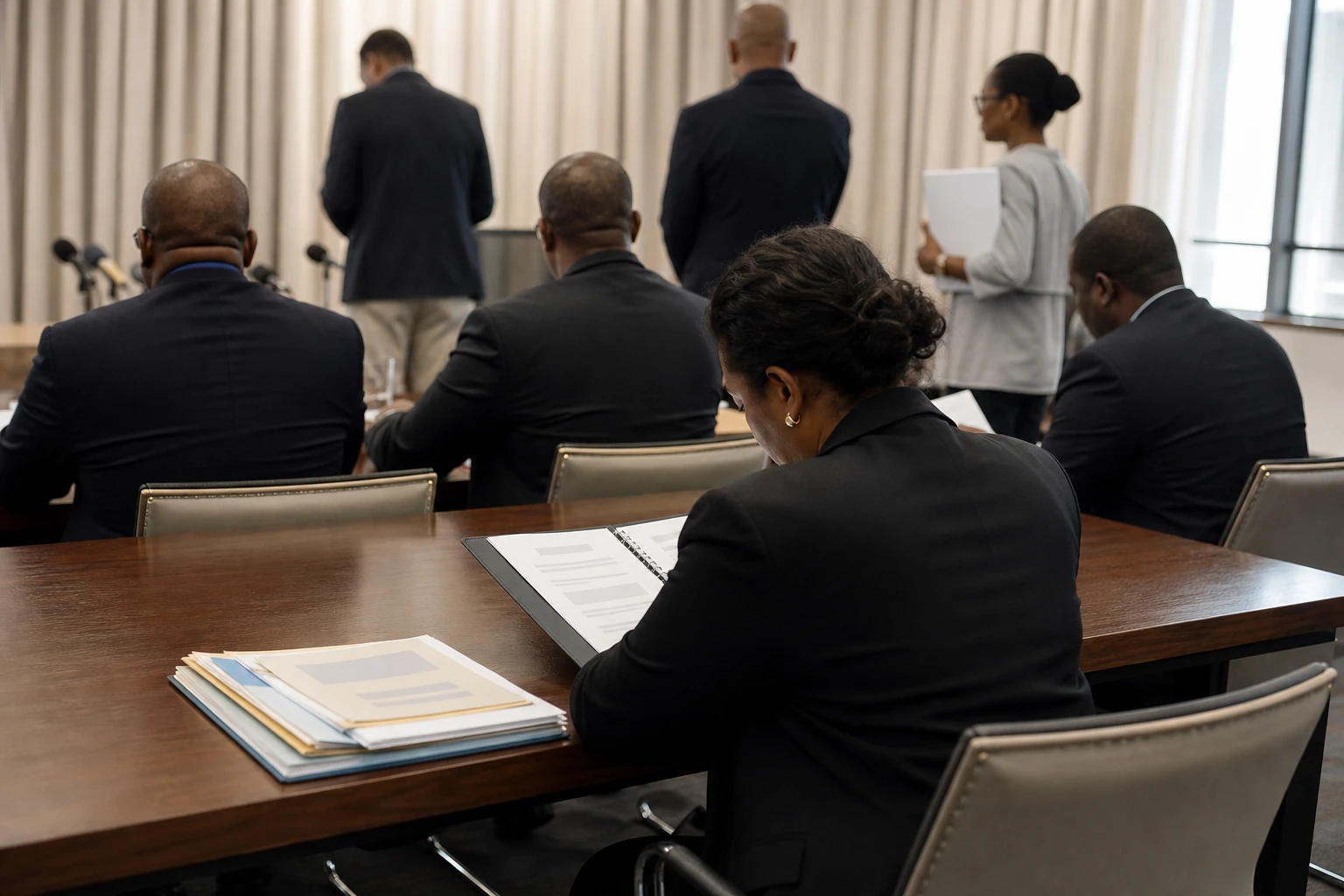
In Mauritius, a legal battle that goes beyond one businessman
In Port Louis, the Mamy Ravatomanga case is no longer just about a Malagasy businessman held at the high-security prison in Melrose. It has become a test for the Mauritian justice system, the fight against suspicious financial flows and, more broadly, the image of a financial centre seeking to remain credible in the Indian Ocean. For several months, each hearing has served as a reminder that a suspected money-laundering case can, on its own, put institutions, lawyers, investigators and the authorities of two neighbouring countries under pressure.
The case is also unfolding against a highly sensitive political backdrop in Madagascar. The country, whose capital is Antananarivo, experienced a change of power in 2025 accompanied by major street protests. In this context, Mauritius opened an investigation after Mamy Ravatomanga’s private jet landed on 12 October 2025, then extended its inquiry into suspicions of money laundering, influence peddling and the movement of assets through cross-border networks. The Mauritian authorities say they are working with Madagascar, the United States and France on related aspects of the case.
Dropping the London appeal and refocusing on Mauritius
This time, the turning point lies in the defence’s decision. Mamy Ravatomanga has abandoned his appeal to the King’s Privy Council in London, the final court of appeal for certain Mauritian cases. The appeal challenged a decision by the Mauritian Supreme Court upholding the refusal to grant him bail. The legal strategy is now focused on the courts in Mauritius, where a fresh bail application is due to be heard in late August.
The Financial Crimes Commission, Mauritius’s financial crime-fighting body, confirmed on 28 May 2026 that Mamy Ravatomanga remained behind bars. At recent hearings, it maintained its opposition to his release, citing, among other things, the risk of flight and the lack of a sufficiently established fixed residence in Mauritius. The suspect’s lawyers argue that he cannot remain in detention indefinitely without a clear timetable for the conclusion of the investigation.
The financial stakes are considerable. Assets subject to a freezing order were estimated at more than €135 million in available press reports, while Mauritian proceedings refer mainly to amounts in rupees, of around Rs 7.3 billion to Rs 7.4 billion according to documents cited in the local press. The businessman is reported to face two provisional charges of money laundering and one provisional charge of conspiracy to commit an offence related to influence peddling.
What the case reveals about Mauritius, Madagascar and the region
In Mauritius, the case touches an institutional nerve: the fight against money laundering and terrorist financing, and the country’s ability to protect the reputation of its financial centre. The government has also revived an inter-ministerial committee dedicated to these issues ahead of the next mutual evaluation by ESAAMLG, the regional anti-money-laundering group for eastern and southern Africa, scheduled for 2027. This deadline matters. It will shape the international assessment of the strength of Mauritius’s controls.
For Madagascar, the case raises another question: the relationship between great wealth, political power and public procurement. Several local media outlets describe Mamy Ravatomanga as a close associate and former unpaid adviser to Andry Rajoelina. In Madagascar’s public debate, his name remains associated with state contracts, suspicions of influence and allegations of enrichment linked to sensitive economic networks, particularly lychees, rosewood and certain logistics contracts. Allegations, ongoing investigations and facts already established by the courts must, however, be distinguished.
The regional significance is clear. Across the Indian Ocean Commission and then the SADC, cases involving capital moved from one jurisdiction to another raise the same question: how can money be traced when companies, residences and business interests are spread across Antananarivo, Port Louis, Paris, Dubai or other financial centres? The Ravatomanga case also illustrates Mauritius’s particular role as a small island state but a regional financial hub, where criminal proceedings can have a direct impact on investor confidence and judicial cooperation with neighbouring countries.
For Malagasy people, the issue goes beyond the billionaire himself. It says something about the governance of wealth, the movement of economic elites and the oversight of assets abroad. For Mauritius, it is a reminder that a slow but visible justice system can become a source of credibility. And for the region, it confirms that a financial crime case of this scale is never confined to a single island: it circulates, moves and obliges states to cooperate, under the close scrutiny of regional oversight bodies.