Algeria
 Egypt
 Libya
 Morocco
 Sudan
 Tunisia
 Benin
 Cabo Verde
 Côte d'Ivoire
 Ghana
 Guinea
 Guinea-Bissau
 Liberia
 Mali
 Mauritania
 Niger
 Nigeria
 Senegal
 Sierra Leone
 The Gambia
 Togo
 Cameroon
 Central African Republic
 Chad
 DR Congo
 Equatorial Guinea
 Gabon
 Republic of the Congo
 São Tomé and Príncipe
 Burundi
 Comoros
 Djibouti
 Eritrea
 Ethiopia
 Kenya
 Madagascar
 Malawi
 Mauritius
 Mozambique
 Rwanda
 Seychelles
 Somalia
 South Sudan
 Tanzania
 Uganda
 Angola
 Botswana
 Eswatini
 Lesotho
 Namibia
 South Africa
 Zambia
 Zimbabwe
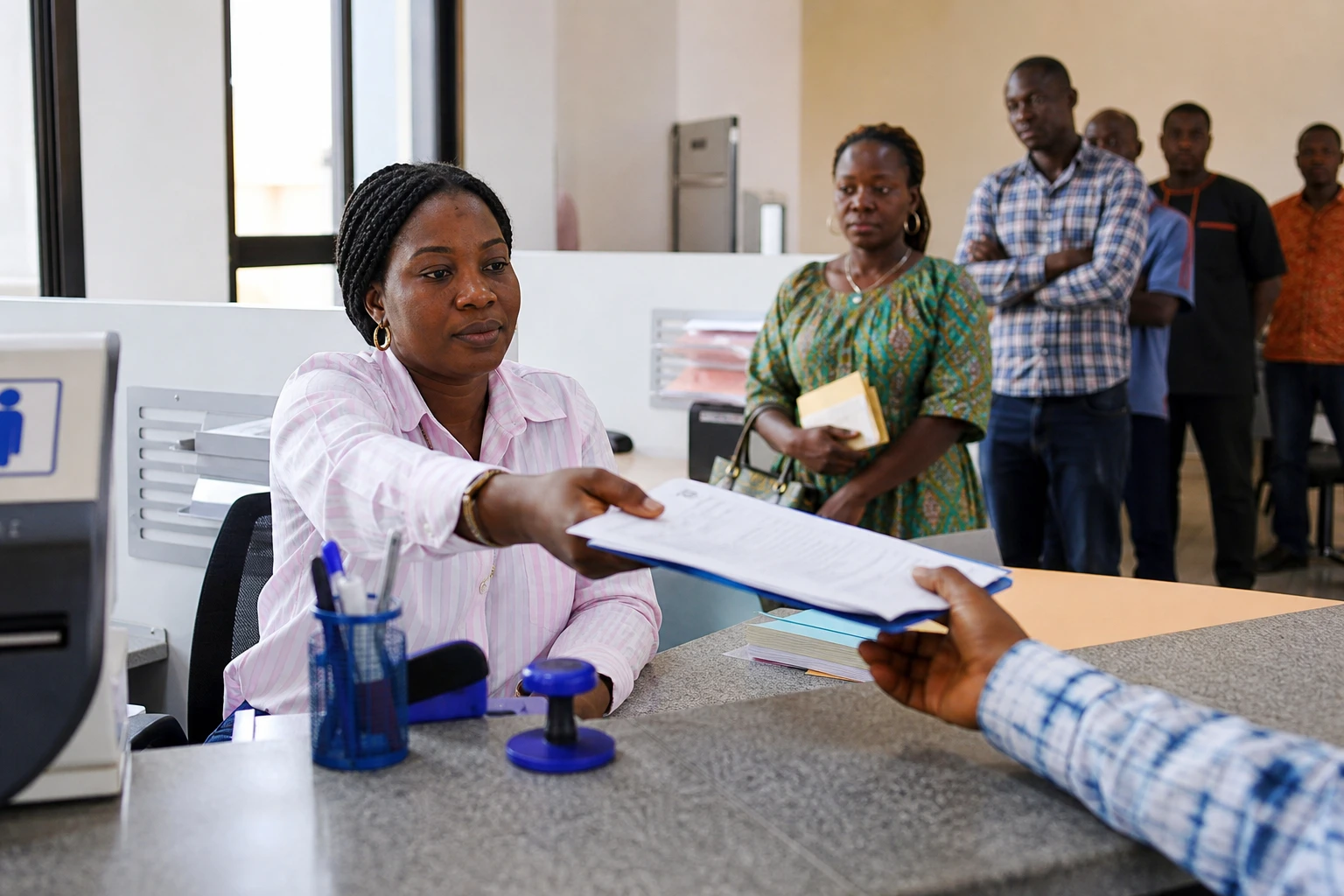
In Ouagadougou, pay television faces demands for access to public channels
In Burkina Faso, access to public channels is about more than subscriber convenience. It concerns the flow of information, the role of public service broadcasting and the rules governing the audiovisual market. In a country where the authorities have already stepped up pressure on several foreign media outlets, the Canal+ case therefore has wider implications than a simple commercial dispute.
The issue is all the more sensitive because Radiodiffusion Télévision du Burkina, or RTB, is the national public broadcaster and a central source of institutional information. The Superior Council of Communication (CSC) is responsible for regulating this sector in Ouagadougou and across Burkina Faso. In recent statements, it has also taken a tougher line towards foreign broadcasters, notably after TV5 Monde was suspended in May 2026.
First sanction in June, followed by a second, larger fine in July
On 12 June 2026, the CSC first fined Canal+ International 50 million CFA francs. The regulator accused the operator of failing to make RTB channels genuinely free to access for its subscribers in Burkina Faso, including after their subscriptions expired, and without requiring them to send an SMS to activate free access. The CSC gave the company 30 days to comply with its decision.
When that deadline expired, the CSC concluded that its instruction had not been implemented. On 27 July 2026, according to the regulator and several Burkinabè media outlets, Canal+ International was therefore fined a further 200 million CFA francs for failing to implement the decision issued on 12 June. The amount represents a marked increase on the first penalty.
The case is based on an agreement signed on 14 February 2025 between Canal+ International and the CSC, which set out the terms for access to national public channels on the distributor’s packages. In its June statement, the regulator also reminded the company that it had 30 days to remove the technical and commercial barriers identified.
What the dispute says about the balance of power in Burkina Faso’s media sector
The substance of the case goes beyond the relationship between a private operator and a regulator. For the CSC, it is a matter of enforcing a contractual commitment concerning the visibility of Burkina Faso’s public channels. For Canal+ International, the issue is also practical and technical: how free-to-air access is activated on decoders, how expired subscriptions are handled and how packages are structured. But in the regulator’s view, these factors cannot override an obligation it considers contractual.
This sequence comes amid a national climate in which the authorities in Ouagadougou are openly seeking to regain control over content broadcast to the public. On 5 May 2026, the CSC suspended TV5 Monde, saying that several items related to the fight against terrorism had breached national legislation and professional standards. The message is clear: on security issues, the media landscape is now treated as a matter of sovereignty.
In this context, Canal+ is not an isolated case. The operator sits at the intersection of three forces: the pay-TV market, the broadcasting of national public channels and the rise of more interventionist regulation. For Burkinabè subscribers, the impact is tangible: access to national channels, continuity of service after subscriptions end and clarity over packages. For the state, the issue is symbolic and political: ensuring that public channels remain readily accessible across the country.
A Burkinabè case with regional significance
Burkina Faso does not operate in isolation. Since the creation of the Confederation of Sahel States with Mali and Niger, the question of information sovereignty has grown in prominence. The CSC itself has referred to this Sahelian framework in recent statements, as media regulation becomes a more visible instrument in the country’s new political architecture.
Across West Africa, the case will be watched beyond Burkina Faso. Content distributors, international channels and national regulators must now contend with authorities seeking to enforce local broadcasting obligations, particularly where national public media are concerned. The question is simple: how far can a state go in requiring its channels to be accessible on private packages operating within its territory? The Burkinabè case offers a firm answer, at least for now.
What happens next will depend on Canal+ International’s response and any appeals or technical negotiations. But the episode confirms a broader trend in Ouagadougou: the authorities want audiovisual operators, both local and foreign, to comply strictly with rules set by the CSC. In this dispute, the broadcasting of public channels is no longer a minor subscription detail. It is a marker of sovereignty, regulation and the balance of power.