Algeria
 Egypt
 Libya
 Morocco
 Sudan
 Benin
 Burkina Faso
 Cabo Verde
 Côte d'Ivoire
 Ghana
 Guinea
 Guinea-Bissau
 Liberia
 Mali
 Mauritania
 Niger
 Nigeria
 Senegal
 Sierra Leone
 The Gambia
 Togo
 Cameroon
 Central African Republic
 Chad
 DR Congo
 Equatorial Guinea
 Gabon
 Republic of the Congo
 São Tomé and Príncipe
 Burundi
 Comoros
 Djibouti
 Eritrea
 Ethiopia
 Kenya
 Madagascar
 Malawi
 Mauritius
 Mozambique
 Rwanda
 Seychelles
 Somalia
 South Sudan
 Tanzania
 Uganda
 Angola
 Botswana
 Eswatini
 Lesotho
 Namibia
 South Africa
 Zambia
 Zimbabwe
Heat struck, then blackouts took over
In Tunisia, the heatwave did more than empty the streets during the hottest hours. Above all, within a few days it showed how a climate emergency can become a crisis in essential services. When electricity falters, water supplies, home care, neighbourhood shops and small-scale production also come under strain.
The issue is therefore not just meteorological. It concerns the country’s ability to absorb a peak in demand without weakening its network. In July 2026, the National Institute of Meteorology placed many governorates on high alert, with temperatures far above seasonal norms and increased risks for elderly, ill or isolated people.
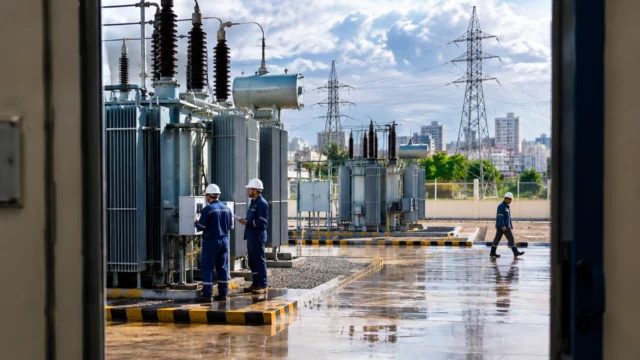
In this context, the Tunisian Company of Electricity and Gas acknowledged resorting to rolling power cuts to safeguard the system, following a sharp rise in consumption linked to widespread use of air conditioning. The company also cited an unprecedented peak in demand, while health authorities warned of the risks of heatstroke.
Long-standing vulnerability laid bare by summer
Tunisia did not enter this crisis empty-handed. For several years, the country has been pursuing an energy transition, with solar projects, tenders and initiatives backed by African and international partners. The African Development Agency, for example, welcomed the commissioning of the Kairouan solar project in December 2025, describing it as a step towards Tunisia’s energy security. Tunisia’s Energy Ministry also regularly publishes sector updates and its energy strategy.
But dependence remains high. Data from the World Bank and the International Energy Agency show that electricity imports and exchanges remain an energy security issue, even though such exchanges are technically limited and cannot replace a robust domestic network. In other words, a demand peak that the system cannot absorb quickly turns into crisis management.
This is where the crisis becomes social. Young doctors have raised the alarm over deaths attributed to the heat and repeated power cuts, while other professional organisations have called for uninterrupted water and electricity supplies to healthcare facilities. The toll reported by the Tunisian Organisation of Young Doctors remains, for now, a reported figure and has not been officially confirmed: between 150 and 200 deaths, according to statements carried by several media outlets.
What the crisis says about Tunisia and the region
For households, the impact is immediate. At home, a power cut can stop an air conditioner, then a refrigerator, then a water pump. For shopkeepers, it wipes out a day’s sales. For artisans and small workshops, it slows production. For patients dependent on electrical devices at home, it can pose a direct danger. Hospitals and healthcare centres must contend with an even more fragile chain, especially when water disruptions compound power cuts.
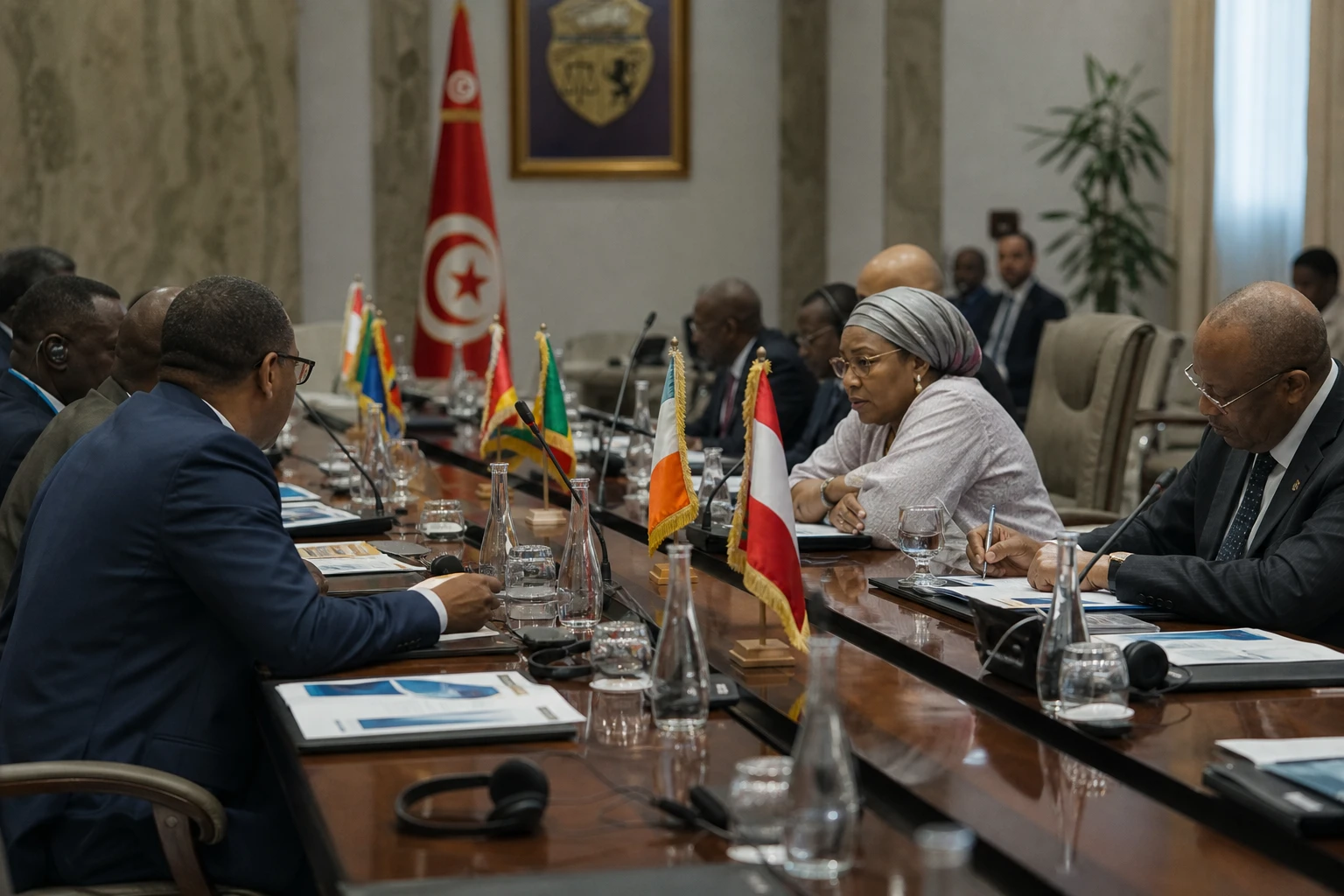
President Kaïs Saïed convened several ministers and officials from STEG and SONEDE in Carthage to monitor prolonged water and electricity cuts, a sign that the crisis has reached the heart of the state’s agenda. The episode also shows a familiar power dynamic in times of tension: the executive seeks to project control, while public utilities try to keep a network operating under maximum strain.
Across North Africa, the episode in Tunisia is a reminder of a broader reality. Global warming makes electricity systems more vulnerable, especially where summer demand rises quickly and generation margins remain tight. Tunisia is not alone in this. But its experience matters for the Maghreb and, more broadly, for the African Union, which is pushing to accelerate climate adaptation, resilient networks and regional interconnections. The challenge is no longer simply to produce more. It is to produce more reliably, in the right place, at the right time, without jeopardising essential services.
The next steps will involve two fronts. On one, the emergency response, including public health, drinking water and continuity of services. On the other, the country’s ability to turn this warning into a catalyst for energy reform. A passing heatwave does not tell the whole story of a system. But it lays bare what a system can withstand and what it can no longer bear.