Algeria
 Egypt
 Libya
 Morocco
 Sudan
 Tunisia
 Benin
 Burkina Faso
 Côte d'Ivoire
 Ghana
 Guinea
 Guinea-Bissau
 Liberia
 Mali
 Mauritania
 Niger
 Nigeria
 Senegal
 Sierra Leone
 The Gambia
 Togo
 Cameroon
 Central African Republic
 Chad
 DR Congo
 Equatorial Guinea
 Gabon
 Republic of the Congo
 São Tomé and Príncipe
 Burundi
 Comoros
 Djibouti
 Eritrea
 Ethiopia
 Kenya
 Madagascar
 Malawi
 Mauritius
 Mozambique
 Rwanda
 Seychelles
 Somalia
 South Sudan
 Tanzania
 Uganda
 Angola
 Botswana
 Eswatini
 Lesotho
 Namibia
 South Africa
 Zambia
 Zimbabwe
A decline that changes the signal, not yet the constraint
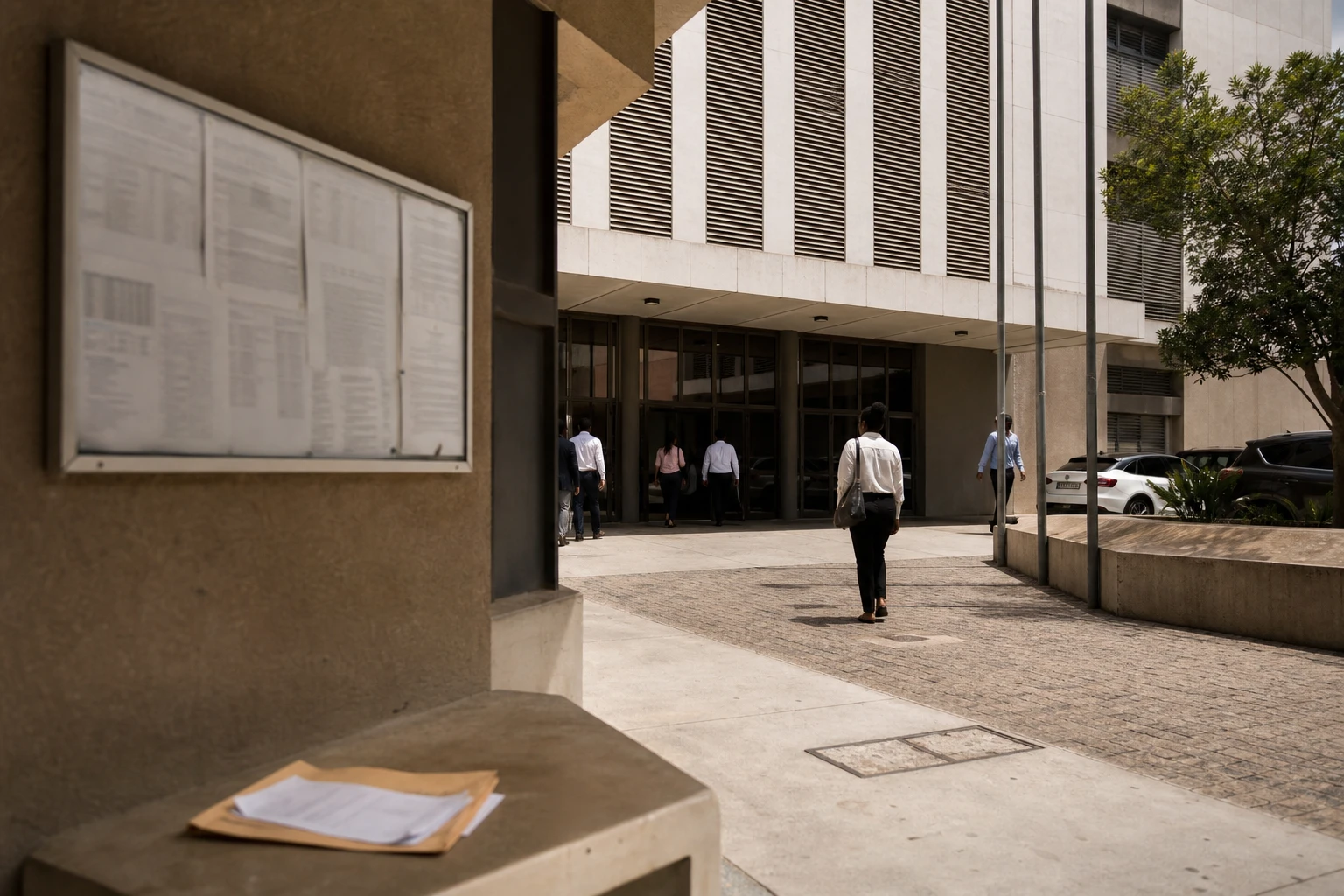
In Praia, the good news is not a bookkeeping triumph. It is a symbolic shift: after years of pressure, Cabo Verde has seen its public debt fall below the 101% of GDP threshold. For an archipelago whose economy depends heavily on tourism, imports and fiscal balances, this is no mere figure. It is a test of resilience.
This is taking place in an island country that belongs both to the African Union and to ECOWAS, the West African economic community. This dual membership matters because it places Cabo Verde in a regional space where financial stability, the movement of goods and resilience to external shocks remain priorities.
The 2025 figures and what they tell us
According to the World Bank, Cabo Verde’s public debt fell to 100.7% of GDP in 2025. The institution says it stood at 110.2% of GDP in 2024 and is expected to fall further, to 97% of GDP in 2026. The decline is clear, extending a downward trend that began after the 2021 peak, when debt reached 157.5% of GDP, according to the IMF.
Cabo Verde had not recorded a level so close to 100% of GDP since 2013, when debt stood at 93.5% of GDP, according to the World Bank. The comparison is useful. It shows that consolidation is not merely cyclical. It is part of a broader recovery, supported by nominal growth and stronger fiscal outturns.
The World Bank adds an important caveat: including guaranteed domestic debt held by state-owned enterprises (SOEs) and municipalities brings the ratio to 108.4% of GDP. In other words, the decline is real, but the scope of public liabilities remains broad.
Why the curve is falling
The decline in debt is primarily explained by stronger economic activity. The World Bank estimates that real GDP grew by 6.3% in 2025, driven by record tourist arrivals, robust private consumption and a better fiscal outturn. The IMF also puts 2025 growth at a high level, 5.2% in its macroeconomic projections, confirming the strength of the Cabo Verdean economy.
Public revenue also held up better than expected. The World Bank says it remained at 24.7% of GDP in 2024, supported by tax receipts that exceeded expectations. The IMF, for its part, points to the authorities’ intention to direct any revenue windfall or spending savings towards improving the primary balance, in order to accelerate the decline in the debt-to-GDP ratio.
This trajectory did not emerge from nowhere. It is underpinned by fiscal reforms, better management of public accounts and more cautious support for state-owned enterprises, particularly through on-lending and recapitalisations. The aim is clear: to reduce the risk of fiscal slippage while preventing a shock at a public company from turning into a crisis for the state.
The real issue: debt service weighs on the budget
The main warning sign remains debt service. The World Bank estimates that it absorbs 34.2% of government revenue. Including obligations linked to state-owned enterprises would push that share to 46.3%. For a small country, this means less room for spending that matters in everyday life: maintaining infrastructure, healthcare, education, support for municipalities and cushioning external shocks.
The structure of the debt also matters. The World Bank says external debt accounts for around 67.2% of GDP, compared with 33.5% for domestic debt. This exposes Cabo Verde to international financial conditions, but it also has a protective factor: a significant share of the debt remains concessional, and Bretton Woods institutions consider the exchange-rate peg credible.
The IMF classifies the risk of external debt distress as moderate, while assessing the overall risk of debt distress as high. The AfDB, for its part, notes a significant improvement in the country’s macroeconomic position, with public debt falling to 103.7% of GDP in its latest projections, from 109.2%. The assessments therefore converge on one point: Cabo Verde is making progress, but remains vulnerable.
What this means for Praia, the islands and the region
For the government, the decline provides some breathing space. For households, it does not automatically translate into a visible fall in the cost of living. Cabo Verde imports most of what it consumes, depends on tourism and has to contend with disparities between islands, urban centres and more isolated areas. Debt sustainability is therefore a very tangible issue: it determines the state’s ability to invest without squeezing its own budget.
The issue of state-owned enterprises remains central. In an island country, they provide essential services: transport, energy, water and, in some cases, logistics. When they are fragile, the risk does not remain confined to their balance sheets. It quickly spills over to the public purse. That is why the decline in debt should be viewed with caution: it improves the overall picture, but does not eliminate hidden or guaranteed liabilities.
Cabo Verde is also part of a broader West African trend. ECOWAS closely monitors the macroeconomic stability of its members because it underpins trade integration, mobility and states’ ability to absorb shocks. In a regional context marked by political tensions in several countries, the Cabo Verdean example shows that a fiscal consolidation path can deliver lasting results when it goes hand in hand with growth, fiscal prudence and stable institutions.
The next stage will hinge on one specific point: the country’s ability to maintain a primary surplus, contain risks from state-owned companies and turn the tourism recovery into a stronger tax base. Only then can debt continue to fall without undermining the financing of public services or productive investment.