Egypt
 Libya
 Morocco
 Sudan
 Tunisia
 Benin
 Burkina Faso
 Cabo Verde
 Côte d'Ivoire
 Ghana
 Guinea
 Guinea-Bissau
 Liberia
 Mali
 Mauritania
 Niger
 Nigeria
 Senegal
 Sierra Leone
 The Gambia
 Togo
 Cameroon
 Central African Republic
 Chad
 DR Congo
 Equatorial Guinea
 Gabon
 Republic of the Congo
 São Tomé and Príncipe
 Burundi
 Comoros
 Djibouti
 Eritrea
 Ethiopia
 Kenya
 Madagascar
 Malawi
 Mauritius
 Mozambique
 Rwanda
 Seychelles
 Somalia
 South Sudan
 Tanzania
 Uganda
 Angola
 Botswana
 Eswatini
 Lesotho
 Namibia
 South Africa
 Zambia
 Zimbabwe
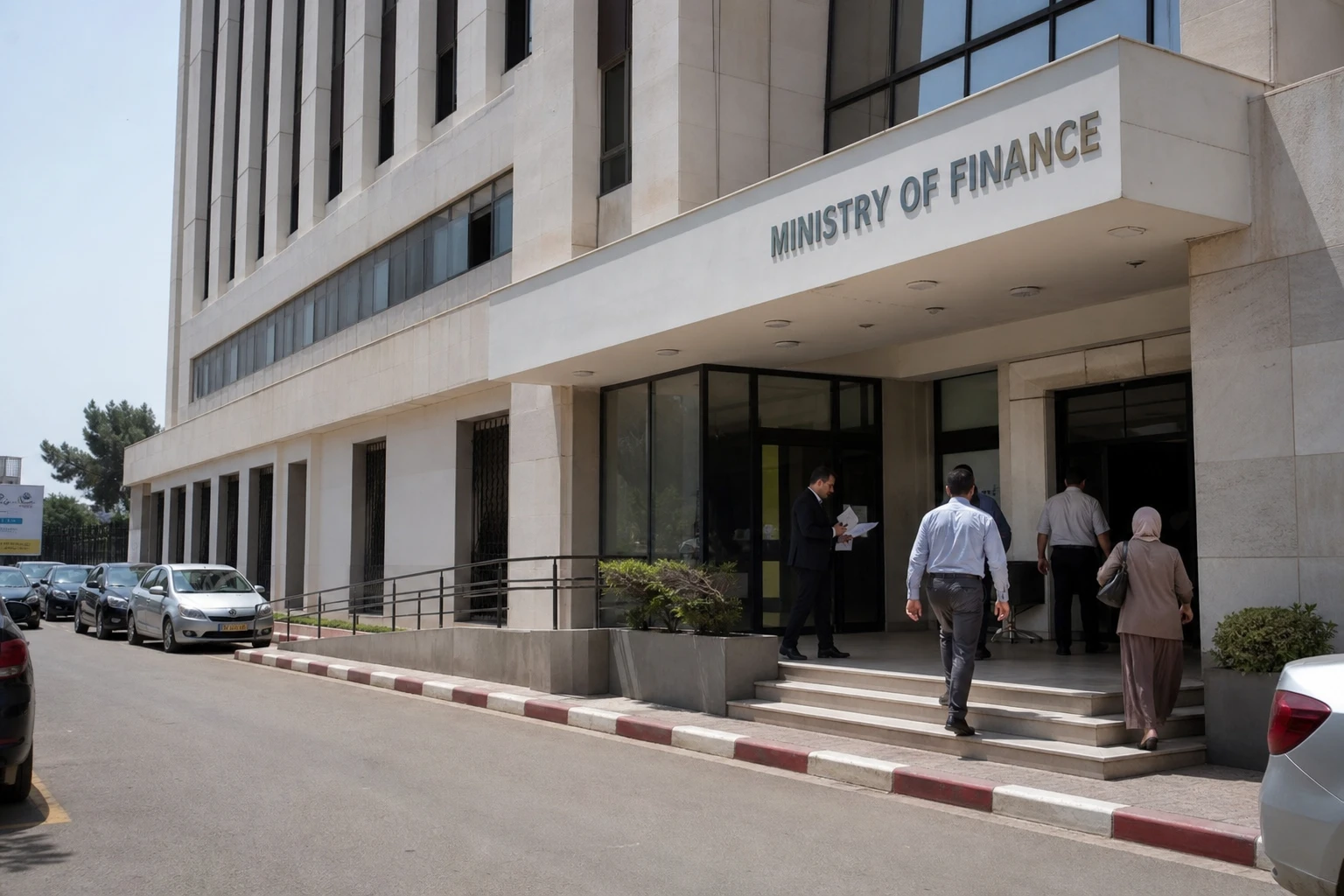
A fire crisis extending beyond a summer episode
In Algeria, the fires are more than just another tally. They also reflect the strain of a summer in which heat, dense vegetation and the proximity of inhabited areas turn every outbreak into a race against time. In several wilayas, emergency services are now working to extinguish and contain fires and, at times, evacuate residents.
The case of El Hachimia, south of Algiers, illustrates the situation. A fire reported near the locality spread towards the Ksenna forest after starting, according to the information available, near homes. This kind of spread shows how fragile the boundary remains between forest, farmland and settlements in parts of Algeria.
Reinforced resources, but a season under pressure
Algerian authorities have deployed a broad response. Civil Protection, supported by the army and volunteers, has been mobilised at fires that remain active, while the Interior Ministry has asked wali governors to assess damage in the affected wilayas. In Seraïdi, in Annaba wilaya, preventive evacuations have even been launched as the flames advanced.
The response forms part of a national framework that is more structured than before. The General Directorate of Forests says a National Commission for Forest Protection, established on 14 March 2026, coordinates 13 ministries and several levels of territorial administration. The country has also acquired 80 drones for early detection and the coordination of operations. Algeria is therefore relying on a tighter chain of command, from prevention to alert.
The facts: a peak in fires amid a heatwave
The number of fires gives an indication of the scale of the current crisis. According to Civil Protection, 913 fires have been extinguished across the country since 8 July. In detail, 146 fires were recorded on a recent single day, 127 of which were brought under control, while 19 remained active at the time of the update. The authorities also said that, since 1 July, nearly 1,460 fires had required the intervention of emergency services.
The trend comes during a difficult period of weather. The National Meteorological Office has announced a prolonged heatwave across several wilayas, with temperatures that could reach or exceed 48 degrees in some areas. The General Directorate of Forests says abundant spring rainfall encouraged vigorous vegetation growth, which dries out quickly once the heat sets in.
The human toll remains worrying. The Interior Ministry has reported six deaths as a result of forest fires affecting some wilayas. Meanwhile, state radio has recalled that the most critical period runs from 15 July to 20 August, when temperatures rise further and the slightest negligence can spark a fire.
What the crisis says about the country and the region
In Algeria, the issue is not only about forests. It is also social and economic. When flames approach homes, families, crops, orchards and grazing land are on the front line. When fires spread into forested mountains, natural resources, leisure areas and transport routes are exposed. In a country where summer already puts pressure on water and electricity supplies, fires add another source of vulnerability.
The phenomenon also has a governance dimension. Algeria says most fires are caused by human activity, often through carelessness or negligence. This matters because it shifts the debate beyond the weather to prevention, oversight of agricultural practices and monitoring of forest edges. That is where a significant part of public-sector effectiveness is determined, well before helicopters or fire crews arrive.
Across the Maghreb and North Africa, the episode is a reminder that fire season no longer has clear-cut boundaries. Longer summers, denser vegetation after rainfall, and then sudden heatwaves create a shared vulnerability. For Algeria, a member of the Arab Maghreb Union, the issue is therefore not isolated. It also concerns forecasting systems, aerial capacity, forestry cooperation and alert procedures across the region.
The next phase will unfold on two fronts. One is containing the remaining fires and accurately assessing the damage. The other is making it through to the end of the highest-risk period, which forestry services say lasts until 20 August. For Algiers and the most exposed wilayas, the challenge is now to turn a summer warning into lasting preventive discipline.