Algeria
 Egypt
 Libya
 Morocco
 Sudan
 Tunisia
 Benin
 Burkina Faso
 Cabo Verde
 Côte d'Ivoire
 Ghana
 Guinea
 Liberia
 Mali
 Mauritania
 Niger
 Nigeria
 Senegal
 Sierra Leone
 The Gambia
 Togo
 Cameroon
 Central African Republic
 Chad
 DR Congo
 Equatorial Guinea
 Gabon
 Republic of the Congo
 São Tomé and Príncipe
 Burundi
 Comoros
 Djibouti
 Eritrea
 Ethiopia
 Kenya
 Madagascar
 Malawi
 Mauritius
 Mozambique
 Rwanda
 Seychelles
 Somalia
 South Sudan
 Tanzania
 Uganda
 Angola
 Botswana
 Eswatini
 Lesotho
 Namibia
 South Africa
 Zambia
 Zimbabwe
Bissau tense as transition timetable tests public trust
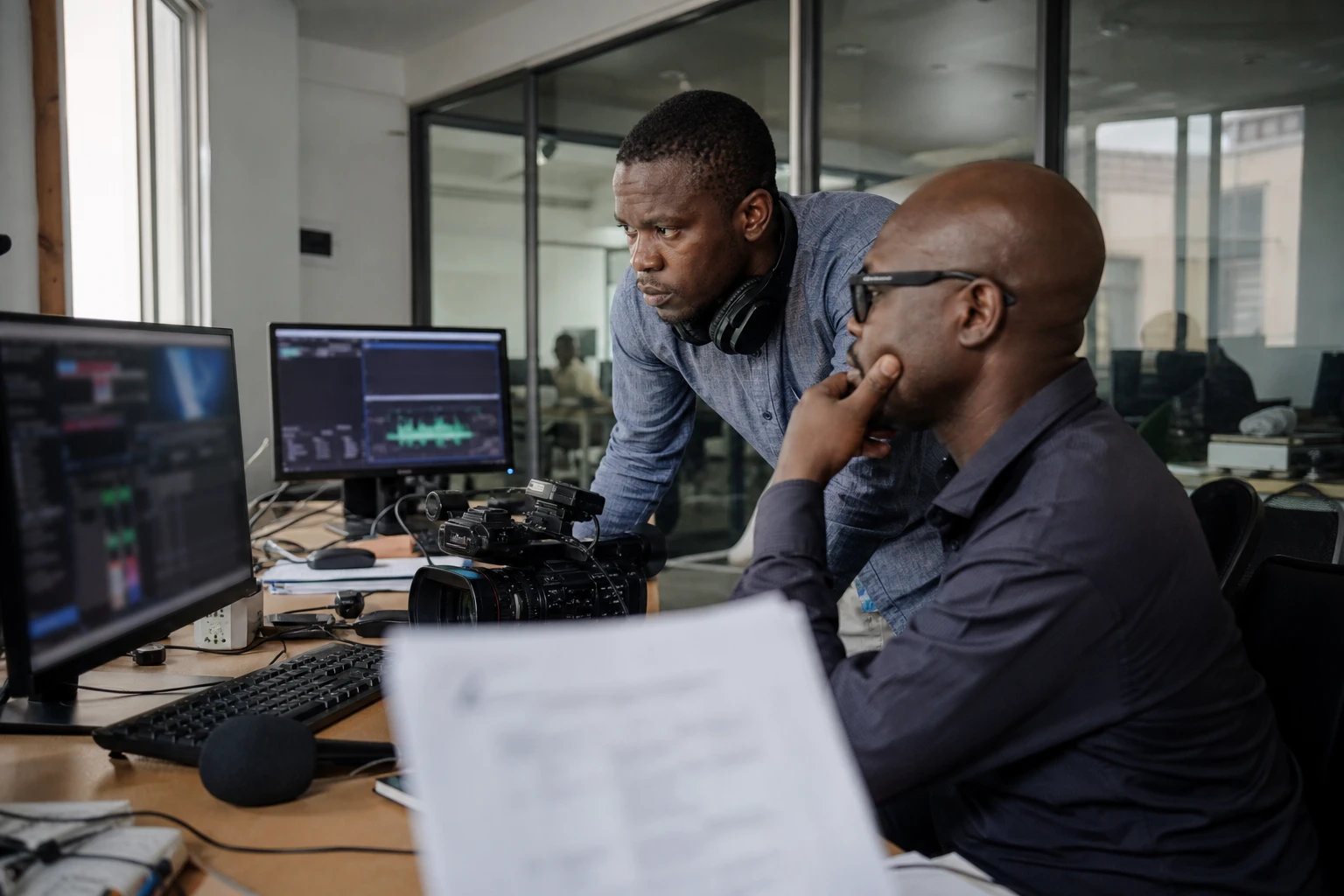
In Bissau, the question is no longer simply a return to the ballot box. It has become broader: who can still arbitrate the transition, guarantee access to political competition and prevent the electoral timetable from serving as cover for a balance of power that has already been locked in? In Guinea-Bissau, a West African country often beset by institutional crises, every move by ECOWAS now carries the weight of a credibility test.
The issue comes at a sensitive regional moment. On 19 July 2026, in Freetown, Senegal’s president, Bassirou Diomaye Faye, took over the rotating chairmanship of the ECOWAS Authority of Heads of State and Government. At the same time, the West African bloc has made peace, security and democratic governance central themes of its recent political agenda. This lends particular significance to any initiative concerning Guinea-Bissau, a small coastal economy but a major issue for the regional organisation.
Senegalese mediation to break the deadlock
According to decisions announced after the ECOWAS summit in Freetown, Senegal has been appointed to lead mediation over the crisis in Guinea-Bissau. This is no coincidence. Dakar is a direct neighbour, a longstanding diplomatic partner and an actor already engaged on the issue following the military seizure of power in November 2025.
The chronology is clear. On 26 November 2025, officers announced that they had seized power in Bissau, interrupting the electoral process under way. Horta Inta-a was subsequently presented as head of the military transitional government for a one-year period. ECOWAS then suspended Guinea-Bissau from its decision-making bodies and dispatched a mediation mission comprising, among others, the presidents of Senegal, Cape Verde and Togo. The African Union also suspended the country.
The new timetable announced by the transitional authorities provides for a constitutional referendum on 30 August 2026, followed by legislative and presidential elections on 6 December 2026. Reuters reported the information, which is also included in the International Monetary Fund’s analysis of Guinea-Bissau. This corroboration from two sources matters because it places the issue at the intersection of politics and finance: without a clear return to constitutional order, partners may remain cautious about budget support and co-operation.
Release of political detainees at the heart of the power struggle
In this context, ECOWAS has called for the release of all political prisoners. The name of Domingos Simões Pereira has come back to the fore. A former prime minister, leading opposition figure and head of the PAIGC, he was placed in pre-trial detention on 10 July 2026 after previously being held under house arrest. Several African and international sources confirm his return to detention, amid accusations of economic crimes and alleged involvement in an attempted coup.
The legal distinction matters. The transitional authorities speak of investigations and proceedings. Opponents, meanwhile, denounce political sidelining. Between the two, pressure is mounting on the military justice system, whose decisions have a direct impact on public space. When the main opposition leader is sidelined before a vote, the debate is no longer only about him. It concerns the fairness of the poll, freedom to campaign and the very possibility of a genuine change of government.
For the people of Guinea-Bissau, the stakes are tangible. In the capital and across the regions, entrepreneurs, civil servants, transport operators and small traders depend on a minimum of institutional stability. A prolonged or contested transition weighs on public revenues, investment and the movement of goods. The country is also under scrutiny for its vulnerability to drug trafficking, a factor that has fuelled state fragility for years. This context excuses nothing, but helps explain why political crises recur and overlap.
What the Guinea-Bissau crisis says about West Africa
The current developments go beyond Guinea-Bissau alone. They point to a question shared by several West African countries: how can credible transitions be organised when trust between institutions, parties and security forces has collapsed? ECOWAS is seeking to uphold two principles at once: respect for constitutional order and the holding of elections deemed inclusive. In practice, this requires a delicate balance between diplomatic firmness and the ability to negotiate.
The role entrusted to Senegal is therefore strategic. The country understands regional dynamics, can speak to several sides and enjoys a reputation for relative stability. But mediation will have a lasting effect only if it secures measurable steps: access for opponents, guarantees for the campaign, transparency over the referendum and clarity on the status of political detainees. Without this, the timetable of 30 August followed by 6 December risks remaining a technical horizon, not a way out of the crisis.
At the continental level, Guinea-Bissau is also a reminder that changes of power in West Africa are not resolved through communiqués alone. They depend on the implementation of decisions, the space afforded to the opposition and the ability of regional organisations to enforce their own rules. For the African Union and ECOWAS alike, the Bissau issue will provide another useful indicator: the real strength of mechanisms for restoring constitutional order.