Algeria
 Egypt
 Libya
 Morocco
 Sudan
 Tunisia
 Benin
 Burkina Faso
 Cabo Verde
 Côte d'Ivoire
 Ghana
 Guinea
 Guinea-Bissau
 Liberia
 Mauritania
 Niger
 Nigeria
 Senegal
 Sierra Leone
 The Gambia
 Togo
 Cameroon
 Central African Republic
 Chad
 DR Congo
 Equatorial Guinea
 Gabon
 Republic of the Congo
 São Tomé and Príncipe
 Burundi
 Comoros
 Djibouti
 Eritrea
 Ethiopia
 Kenya
 Madagascar
 Malawi
 Mauritius
 Mozambique
 Rwanda
 Seychelles
 Somalia
 South Sudan
 Tanzania
 Uganda
 Angola
 Botswana
 Eswatini
 Lesotho
 Namibia
 South Africa
 Zambia
 Zimbabwe
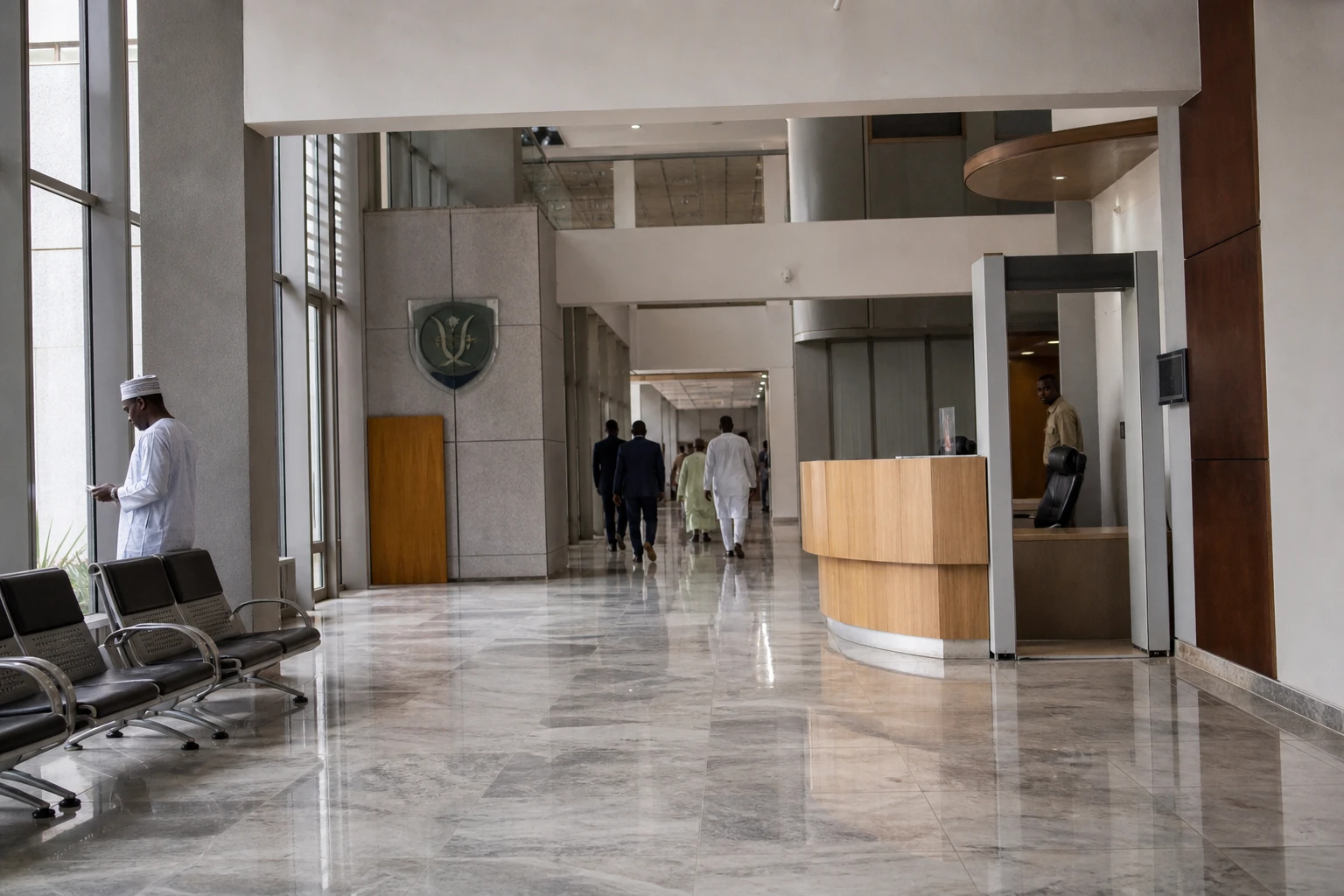
Strategic route between Gao and Anéfis remains under pressure
In northern Mali, every convoy faces a test. The route linking Gao to Anéfis is used for more than military transport. It also underpins trade, supplies and the state’s presence in an area where control remains contested. Since the coordinated attacks of 4 July 2026, this stretch of the Sahel has once again become a focal point of tension.
The latest violence comes as Bamako seeks to consolidate a new security framework with Burkina Faso and Niger within the Confederation of Sahel States, while its break with ECOWAS has now taken effect. The West African organisation says Mali, Burkina Faso and Niger’s withdrawal took effect on 29 January 2025. The regional context has therefore changed, but the armed threat has not disappeared.
What is known about the ambush
Accounts from several sources converge on one central point: Malian soldiers were targeted in the north of the country, between Anéfis and Gao, amid coordinated attacks launched on 4 July 2026 against several localities in Mali. The African Union condemned the attacks, while the African Commission on Human and Peoples’ Rights referred to deaths and injuries but did not publish its own figures.
In Bamako, the Malian military command later gave a more detailed provisional tally for all operations conducted from 4 to 9 July. On 12 July, APA reported that the army said around 30 soldiers had been killed, about 60 wounded and more than 1,000 attackers “neutralised”. The same tally also mentioned the destruction of armoured vehicles, armed vehicles and motorcycles. These remain figures from a provisional military account and should therefore be treated with caution.
The military command also said fighting had been concentrated around Anéfis, in the Kidal region, before the FAMa declared that they had regained control. An account published on the Malian military website described fierce clashes from 4 to 9 July 2026 and the evacuation of wounded people afterwards. This confirms the intensity of the fighting, even though the exact casualty figures remain disputed.
A test for Bamako and for the balance of power in the Sahel
For the Malian authorities, the stakes go beyond a tactical response. They must hold the northern routes, protect garrisons and maintain a minimum level of territorial continuity. In a vast, sparsely populated area, losing ground means more than a military retreat. It also weakens administration, supplies, civilian travel and commercial links between northern towns.
The political context gives the fighting added significance. Mali is no longer part of ECOWAS’s security framework, but instead belongs to that of the AES, which is still taking shape. In July 2026, the defence ministers of the three countries met in Ouagadougou to work on the legal status of the AES Unified Force. This points to a desire for deeper military integration, but also to a very practical requirement: turning announcements into genuine coordination on the ground.
For civilians, the issue is less institutional than practical. An unstable route lengthens journeys, pushes up fuel prices, complicates the delivery of goods and weighs on local markets. In northern Mali, where communities already have limited security, every episode of armed violence carries an invisible cost: fear, delays, lost income and a retreat from economic activity. The fighting cannot be measured only by the number of vehicles destroyed. Its toll is also counted in days lost and services disrupted.
It is also worth noting that the actors on the ground are no longer exclusively Malian. Recent texts and statements cite cooperation with Russian partners, in a framework that has changed since the end of Wagner and the growing prominence of Africa Corps in local announcements. This matters because it raises a broader question: how do Sahelian states intend to build security sovereignty without relying on a single external partner, while retaining control of the public narrative?
What the region is watching now
What happens next will depend first on the FAMa’s ability to stabilise the Gao–Anéfis route over the long term and prevent further ambushes from targeting convoys. It will also depend on consistency between Bamako’s political announcements, the AES’s military mechanisms and realities on the ground. In the Sahel, a declared victory counts only if it lasts.
At continental level, the case is a reminder of a recurring feature of African affairs: local security crises quickly become regional concerns. The African Union made this point again when it condemned the 4 July attacks and called for stronger civilian protection. For Mali, the AES and the Sahel as a whole, the next test will be holding the ground, not merely issuing statements.