Algeria
 Egypt
 Libya
 Morocco
 Sudan
 Tunisia
 Benin
 Burkina Faso
 Cabo Verde
 Côte d'Ivoire
 Ghana
 Guinea
 Guinea-Bissau
 Liberia
 Mali
 Mauritania
 Niger
 Nigeria
 Senegal
 Sierra Leone
 The Gambia
 Togo
 Cameroon
 Central African Republic
 Chad
 DR Congo
 Equatorial Guinea
 Gabon
 Republic of the Congo
 São Tomé and Príncipe
 Burundi
 Comoros
 Djibouti
 Eritrea
 Ethiopia
 Kenya
 Malawi
 Mauritius
 Mozambique
 Rwanda
 Seychelles
 Somalia
 South Sudan
 Tanzania
 Uganda
 Angola
 Botswana
 Eswatini
 Lesotho
 Namibia
 South Africa
 Zambia
 Zimbabwe
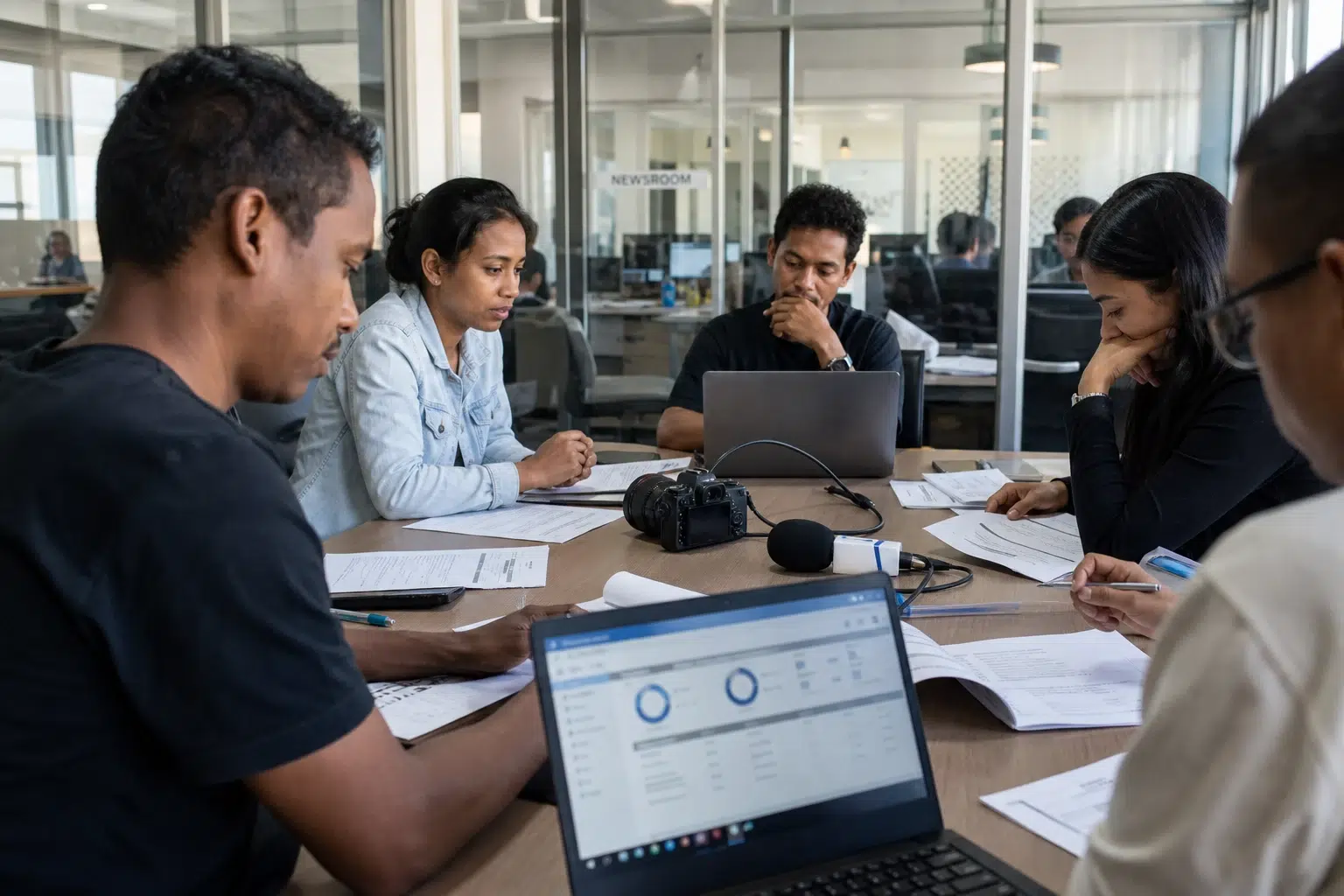
Madagascar is still looking for the right industrial engine
In Antananarivo, the question is no longer simply how to produce more. It is how to produce at a manageable cost, with reliable electricity and infrastructure that can keep pace. In a country where access to electricity stood at 39.4% in 2023, according to the World Bank, every point of competitiveness matters for factories, industrial zones and urban jobs.
It is against this backdrop that Filatex is promoting a model combining energy, real estate, free zones and industry. The reasoning is simple: without a stable power supply, a production zone runs below capacity; without a suitable site, investment stalls; without a trained workforce, moving up the value chain is slow. This interdependence says much about Madagascar’s constraints, but also about the levers available to speed up industrialisation.
An ecosystem built around free zones and energy
Madagascar has a specific framework for free zones and special economic zones. The Malagasy customs authority defines a free zone as part of the customs territory subject to a special regime, while the law on special economic zones, adopted in 2017, strengthened tax and regulatory incentives to attract productive investment.
The country also draws on its regional ties. Madagascar is a member of SADC, the Southern African Development Community, placing it within an area of industrial and trade co-operation that extends well beyond its domestic market. In textiles, a key sector for exports and employment, the Malagasy market remains closely linked to processing zones around Antananarivo and Antsirabe.
This geography matters. Companies based in industrial zones are looking first for practical solutions: land, connections, transport and legal certainty, but above all energy. The problem is not theoretical. The International Monetary Fund still highlights heavy reliance on costly thermal sources, distribution losses and tariffs below actual costs — a combination that weighs on business productivity and the sector’s finances.
What the group is promoting, and what it reveals
The group’s message rests on a promise of continuity. According to its leader, the company employs nearly 39,000 people directly or indirectly in Madagascar’s textile sector and remains the country’s largest private operator of free zones. This claim was not confirmed by an independent public source consulted, but it is set against a textile sector that is already one of the country’s largest sources of employment, with more than 400,000 direct and indirect jobs, according to the US Department of Commerce.
The central argument is vertical integration. When one player operates in real estate, production zones and electricity, it can reduce some of the friction that slows projects down. The model also says something about the state of the Malagasy market: industry advances not only through manufacturing, but through the ecosystem around the factory. In this context, initiatives such as rooftop solar and hybrid projects seek to bypass the high cost of fossil-fuel energy, without waiting for a complete overhaul of the national grid.
Reliability remains the sticking point. The country has considerable solar potential, a large young population and the capacity to provide low-cost labour. But potential is not enough. The World Bank and the IMF converge on the same diagnosis: without more abundant, stable and affordable energy, Madagascar struggles to turn its strengths into sustainable industrialisation. The drive to produce locally, process goods and export them therefore hinges on a very concrete factor: the price per kilowatt-hour.
From the Malagasy market to the African stage
The challenge goes beyond Madagascar. In several African countries, the combination of special zones, private energy, industrial real estate and manufactured exports is becoming an increasingly sought-after response. Madagascar could serve as a laboratory, provided a technical demonstration is not mistaken for a universal solution. An on-site solar plant can help a factory; it cannot replace a robust national grid, a training policy or efficient logistics infrastructure.
This is where the balance becomes as political as it is economic. The state sets the framework. The private sector brings capital, faster execution and the capacity to innovate. Lenders, for their part, assess the sustainability of the whole system. Madagascar, like other African economies, must therefore tackle a specific equation: secure a reliable base supply of electricity, expand access, reduce costs and train the workforce needed to absorb future investment. The IMF also notes that improving the energy mix and investing in solar power are among the country’s reform priorities.
Across the continent, the issue reflects a broader trend: African economies that want to manufacture more will first have to stabilise the infrastructure that makes manufacturing possible. In Madagascar, that battle is being fought today in Antananarivo, in free zones and power plants, and in the trade-offs between cost, reliability and grid expansion. What happens next will depend less on announcements than on the ability to turn individual projects into a sustainable industrial chain.