Algeria
 Egypt
 Libya
 Morocco
 Sudan
 Tunisia
 Benin
 Burkina Faso
 Cabo Verde
 Côte d'Ivoire
 Ghana
 Guinea
 Guinea-Bissau
 Liberia
 Mali
 Mauritania
 Niger
 Nigeria
 Senegal
 Sierra Leone
 The Gambia
 Togo
 Cameroon
 Central African Republic
 Chad
 DR Congo
 Equatorial Guinea
 Gabon
 Republic of the Congo
 São Tomé and Príncipe
 Burundi
 Comoros
 Djibouti
 Eritrea
 Ethiopia
 Kenya
 Madagascar
 Malawi
 Mauritius
 Mozambique
 Rwanda
 Seychelles
 Somalia
 Tanzania
 Uganda
 Angola
 Botswana
 Eswatini
 Lesotho
 Namibia
 South Africa
 Zambia
 Zimbabwe
Villages cut off from the rest of the country
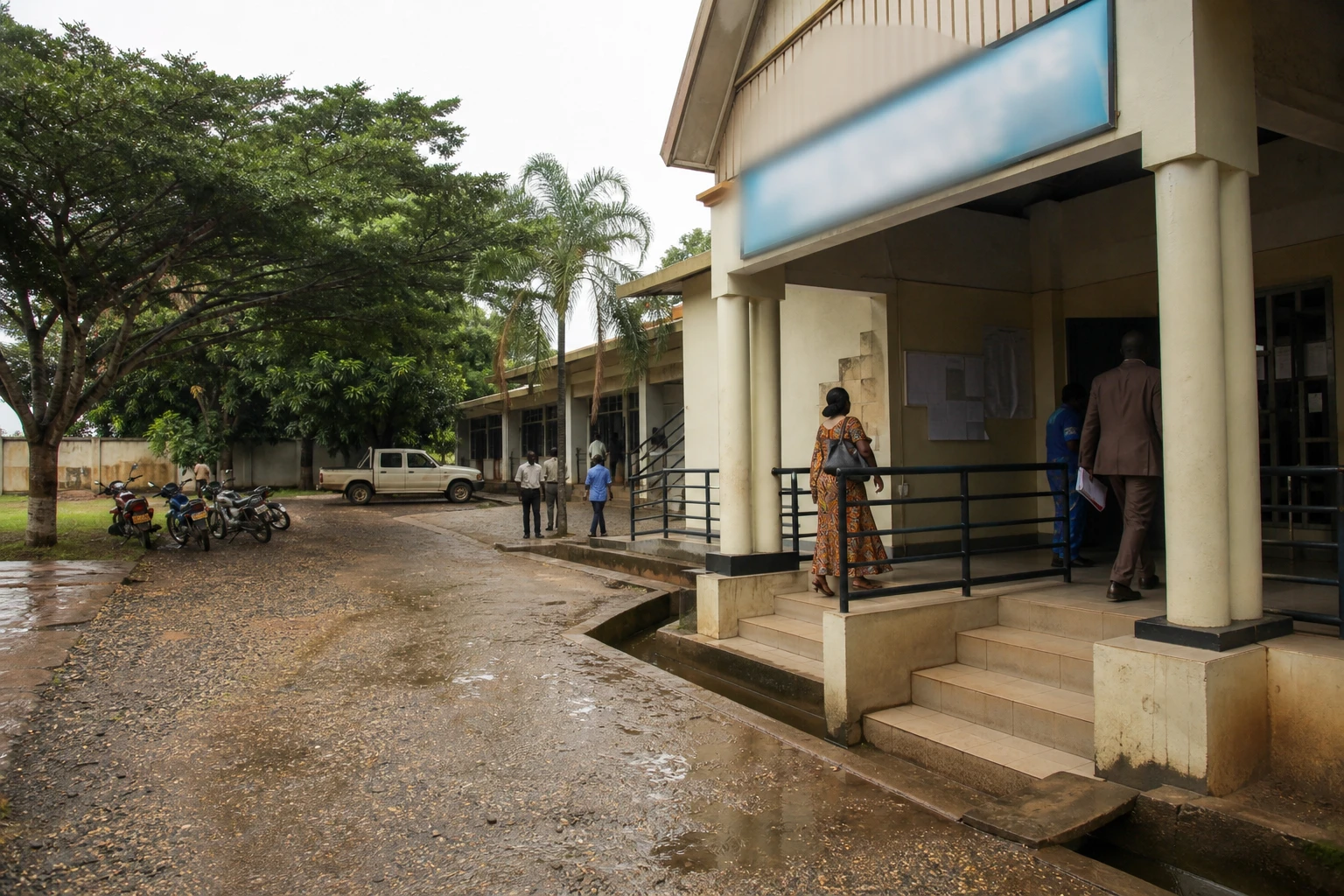
When rain turns a road into a quagmire, it is not only lorries that grind to a halt. Medicines are delayed, food supplies run short, displaced families remain under the pressure of violence for longer, and local markets lose momentum. In Western Equatoria, in South Sudan’s south-west, this chain of events has become a seasonal reality, as well as a sign of a deeper problem: rural areas cut off by poor infrastructure and insecurity.
Yambio, the capital of Western Equatoria State, serves as a base for a vast area where communities depend on a small number of routes to reach health centres, humanitarian warehouses and markets. Greater Mundri, meanwhile, remains one of the areas most exposed to forced displacement and population movements linked to local clashes. In this part of the country, roads are not a mere logistical detail: they determine access to food, healthcare and community mediation.
A vital road under rain and pressure
Heavy rains in the south-west of the country are making the route linking Yambio to Greater Mundri almost impassable, according to UN teams on the ground. This road is the main link between isolated communities and supply centres. It is used by traders, health workers, humanitarian organisations and peacekeepers. When it deteriorates, aid takes longer to arrive and transport costs rise rapidly.
The situation is nothing out of the ordinary. In August 2025, heavy rains had already cut links between the two counties of Mundri, directly affecting prices, travel and stocks of goods. In 2026, humanitarian workers continue to describe a territory where unpaved roads remain vulnerable to flooding, a lack of maintenance and collapsed bridges. This fragility weighs particularly heavily on areas where people live far from major urban centres.
On the ground, UN patrols sometimes have to spend several hours crossing mud to reach sites where thousands of people have fled violence linked to cattle-related conflicts. There, teams assess needs, speak with local authorities and seek to prevent further clashes. This community-level work remains essential, as tensions between herders and farmers intersect with recent displacement, competition for land and limited movement of essential goods.
Displaced families and a slowing economy
The blockage affects more than humanitarian aid. It also undermines everyday trade. Transporters coming from Juba can take several days to reach Yambio, and perishable goods spoil on the way. For households, this means higher prices, less choice in markets and more frequent shortages of fuel, flour, soap and medicines. For traders, every day lost cuts into margins and increases the risk of outright losses.
Vulnerability is even more pronounced at displacement sites. Families who have recently arrived often have few assets, little in reserve and irregular access to healthcare. Florence John, a widow and mother of seven, embodies this reality: after fleeing her village three months earlier, she found herself in an area where scarce food supplies and the distance from medical facilities heighten everyday insecurity. Such individual stories reflect a wider phenomenon in a country where internal displacement exceeded 2.7 million people at the end of 2025.
South Sudan also remains one of the countries most exposed to climate shocks and protection crises. In 2026, UN agencies describe a combination of conflict, climate-related shocks, displacement and disease outbreaks. The pressure is not confined to Western Equatoria. It is spreading to other states, adding to the national humanitarian bill and forcing aid workers to make difficult choices between urgency, access and safety.
A country in a fragile transition, a region under close watch
At national level, this local crisis is part of a political transition that remains unfinished. The 2018 Revitalised Peace Agreement between President Salva Kiir and his rival Riek Machar was intended to pave the way for lasting stability. But in 2025, political tensions intensified further, fuelling fears of a new cycle of confrontation. The authorities and their regional partners, including IGAD, are closely monitoring developments, as the electoral timetable also remains sensitive.
In this context, Western Equatoria represents more than a passing episode of roads cut off by rain. The state illustrates how local insecurity, failing infrastructure and the rainy season reinforce one another. When roads close, the authorities lose their ability to maintain a presence, humanitarian workers their mobility, and communities their protection. When they reopen, even partially, they once again become corridors for stability, trade and dialogue. A discreet but decisive part of South Sudan’s peace is at stake here, between Juba, state capitals and rural areas.