Algeria
 Egypt
 Libya
 Morocco
 Sudan
 Tunisia
 Benin
 Burkina Faso
 Cabo Verde
 Côte d'Ivoire
 Ghana
 Guinea
 Guinea-Bissau
 Liberia
 Mali
 Mauritania
 Niger
 Senegal
 Sierra Leone
 The Gambia
 Togo
 Cameroon
 Central African Republic
 Chad
 DR Congo
 Equatorial Guinea
 Gabon
 Republic of the Congo
 São Tomé and Príncipe
 Burundi
 Comoros
 Djibouti
 Eritrea
 Ethiopia
 Kenya
 Madagascar
 Malawi
 Mauritius
 Mozambique
 Rwanda
 Seychelles
 Somalia
 South Sudan
 Tanzania
 Uganda
 Angola
 Botswana
 Eswatini
 Lesotho
 Namibia
 South Africa
 Zambia
 Zimbabwe
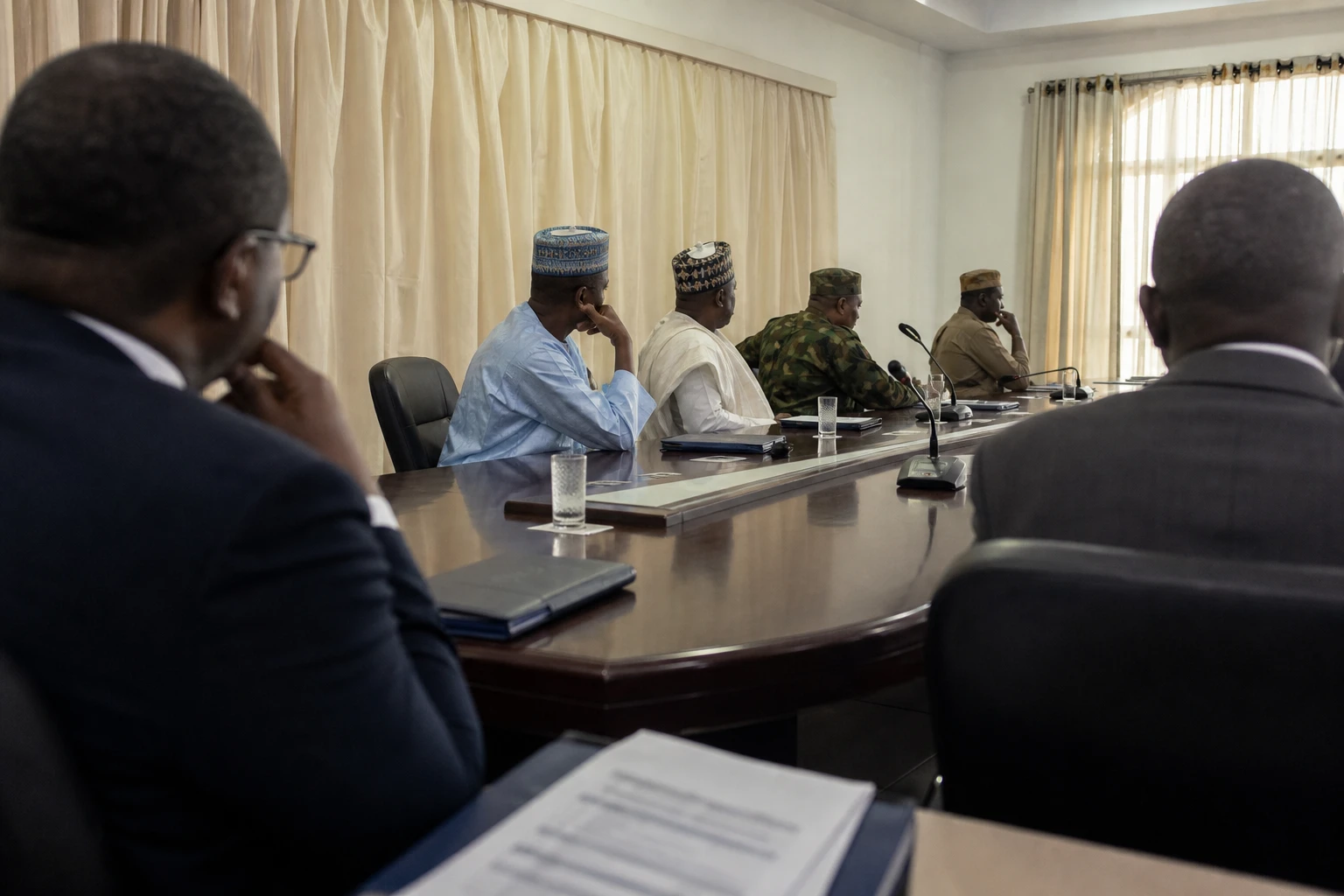
Local officials in north-west Nigeria live under armed escort
In Bungudu, in Zamfara State, local public service is no longer confined to administering markets, roads or schools. It also takes place behind gates, with armed guards and deeply rooted fear. This reality says much about north-west Nigeria, where attacks by armed groups continue to weigh on daily life, state authority and the very functioning of local government.
Nigeria has 774 local government areas, a tier established by the Constitution and intended to bring administration closer to residents. But in several north-western states, this institutional proximity has become a vulnerability. When a local official is targeted at home, the very idea of protection close to the community is shaken.
Bungudu targeted, four security personnel killed, official abducted
On the night between Thursday and Friday, gunmen attacked the residence of Nura Umar Bungudu, chairman of the Bungudu local government council, in the Zango neighbourhood of Bungudu, near Gusau, the capital of Zamfara State. The assault turned into a firefight. Four members of the security forces were killed, according to an account corroborated by several local media outlets and carried in international news reports. The local official was then abducted.
Accounts from people at the scene describe an attack by heavily armed assailants who arrived in large numbers, with better equipment than the police and the self-defence groups responsible for guarding the residence. The attackers are said to have exchanged fire with the security personnel before entering the compound. Residents also suggested that information about the security arrangements may have been leaked. For now, this remains a local interpretation, not an established fact.
Several local sources said the official’s wife and some of his children had also been taken. Others said reinforcements sent after the attack intercepted part of the group and freed several children. These details, too, remain attributed, as they have not been independently confirmed to the same degree as the abduction of the local leader and the deaths of the four security personnel.
Zamfara, a dark laboratory for armed banditry
The choice of Zamfara is no accident. For years, the state has been one of the epicentres of armed banditry in north-west Nigeria. The groups operating there have stepped up kidnappings for ransom, village raids, cattle theft and attacks on rural roads. A research report published in recent years describes a landscape in which armed crime, farmer-herder tensions and the weakening of local protection networks feed off one another.
Zamfara’s authorities say they are holding more security meetings and supporting military operations. The state government convened an emergency council as recently as early 2026 in response to a rise in attacks. But on the ground, residents see above all a succession of assaults, forced displacements and areas where the state asserts its presence only from a distance.
This fragility affects rural communities, livestock markets, farmers and small traders first, as they depend on local roads and agricultural cycles. It also affects local officials. When a local council chairman is targeted, the message is clear: violence can reach the heart of basic institutions. This reduces the authorities’ ability to mediate disputes, collect revenue and maintain a minimum level of public trust.
What the case says about Nigeria and West Africa
For Abuja, the attack is a reminder that north-western Nigeria’s security problems are no longer peripheral. They affect national cohesion, the movement of people and goods, and the credibility of the federal response. Since the beginning of 2026, Nigerian media have already reported several serious incidents in Zamfara, including massacres, mass abductions and rescue operations by the security forces.
Its significance extends beyond Zamfara State, however. In the ECOWAS region, where borders are long and porous, armed groups move around, exchange weapons and exploit the grey areas between crime, rural insecurity and weak public authority. The case of Bungudu thus illustrates a regional trend: when local security breaks down, basic institutions become targets and communities are the first to be exposed.
The next challenge therefore has two dimensions. In the short term, it concerns locating the abducted official and protecting the people of Bungudu. In the longer term, it raises a broader question: how can local administrations be strengthened when they are both the closest interface with citizens and, in some parts of Nigeria, the most exposed to armed groups?